Montana Warns of Increased Bear Conflict, Citing One of the ‘Worst Natural Food Failures’ on Record
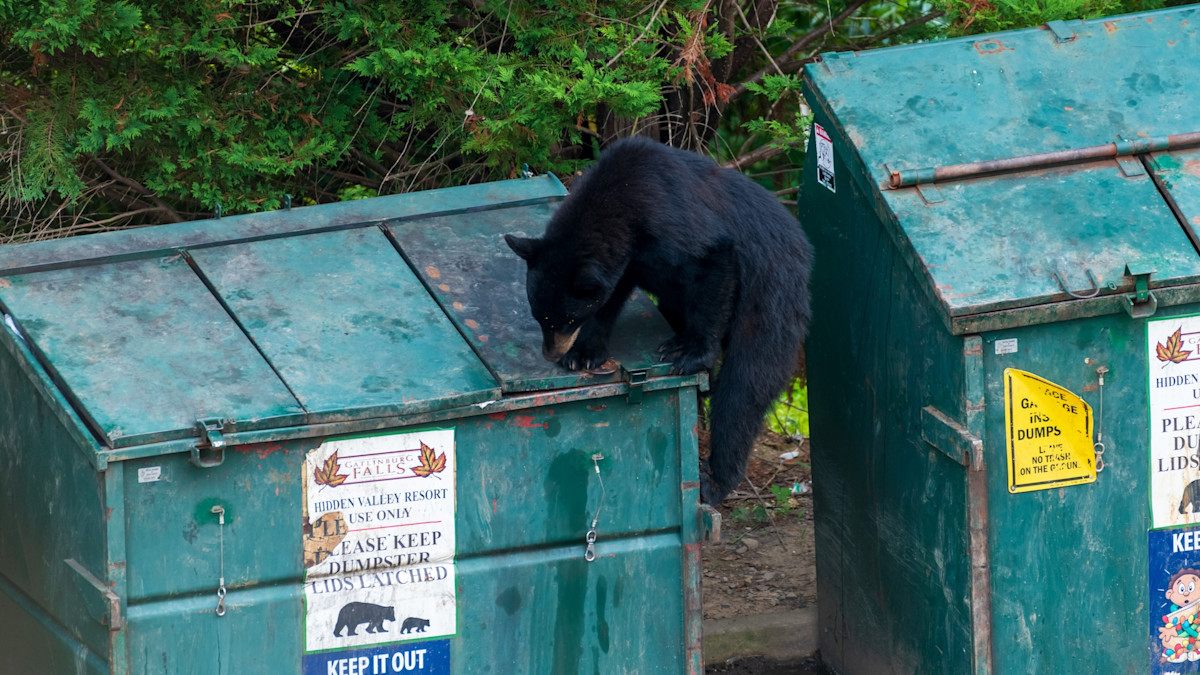

Montana officials are warning residents and visitors of unusually high bear activity, resulting from two key factors: drought conditions and a failed berry flush. According to a recent Montana Fish, Wildlife and Parks (FWP) press release, bear specialists across the state have been receiving reports of “bears that should be foraging for berries in the mountains...getting into trouble around homes and communities looking for something to eat.”
What’s pushing grizzly and black bears away from their typical habitats for this time of the year stems from a below-average snowpack. “We started seeing spring green-up in January and February, and the bears don’t normally come out until the last week in April and the first week in May,” longtime FWP bear conflict specialist Jamie Jonkel told MeatEater. “So, when the bears came out, they missed out on that important nutritional period.”
In other words, the bears essentially started their years in catch-up mode, and are now facing a significant lack of berries, which they depend on during late summer and early fall. Jonkel says that late frosts in May led to a dismal year for wild berry yields, impacting several types of berries important for bears including chokecherries, service berries, and mid-elevation huckleberries. The failed crop is so bad that Jonkel is calling it “one of the worst natural food failure years on record.”
The lack of natural options is causing bears to look elsewhere for food. “It’s kind of like a hard winter for elk and deer, when cold, deep snow stresses them and causes them to come down into low-elevations and subdivisions to try to feed on grass,” he said. “A bad food year is like that for bears. In the last two months in Region 2, we had almost 300 reports of bears either getting into human-related foods, like garbage, bird feeders, etc., or being observed next to houses. This is crisis behavior.”
While increased bear activity near developed areas seems to be heightened across much of Montana’s bear country, it’s not clear how wide the issue may extend into the broader region. Jennifer Sepulveda, communications manager for the Washington Department of Fish, says that her agency has not “noticed an anecdotal correlation” of a decreased berry yield causing increased bear conflict so far, but that “this is a well-known correlation that occurs.”
In neighboring Gem State, Idaho Fish and Game regional communications manager James Brower said his agency does not consider bear conflict in the state escalated from recent years, except for in the McCall region, where experts have linked “dry conditions to some increased bear conflict.”
In Montana, Jonkel worries that the situation could worsen in the coming months as bears enter a period known as hyperphagia when they begin feeding to put on weight before hibernation, though he’s hopeful that the upcoming high-elevation huckleberry yield will be better than those in mid elevations. He said the bears most susceptible to the negative impacts of the reduced berry yield so far have been female bears with cubs and younger bears in general.
Bear experts stress that the best way to reduce human-bear conflict during periods like this is to secure food, including things like chicken coops. For hunters this fall, this means keeping a clean camp and being quick at field dressing and removing game from the field after killing it.
“This has been a hard year for bears,” Jonkel said. “They’re in desperation mode. They will be more curious than usual about a camp where bacon is frying or where people have been gutting fish down by the creek.”
Feature image via Great Smokey Mountains National Park.
Stay in the loop with The MeatEater Newsletter
Shop
Related
Public Lands & Waters
What the Record-Low Snowpacks Mean for Fish and Wildlife in the West
Wildlife Management
Montana Warns of Increased Bear Conflict, Citing One of the ‘Worst Natural Food Failures’ on Record


Conversation