
I was 20 feet up a tree on a picture-perfect October morning, watching my favorite oak flat. It was overcast, and the weatherman was predicting rain in the afternoon. I expected the deer to be up and moving ahead of the front, possibly moving between the neighbor’s cornfield and the trees dropping acorns on my flat.
Just after sunrise, I heard a combine start up from the property next door. I sat for another 45 minutes until the rumbling sounded like it was coming from my back pocket, climbed down, and called it a day.
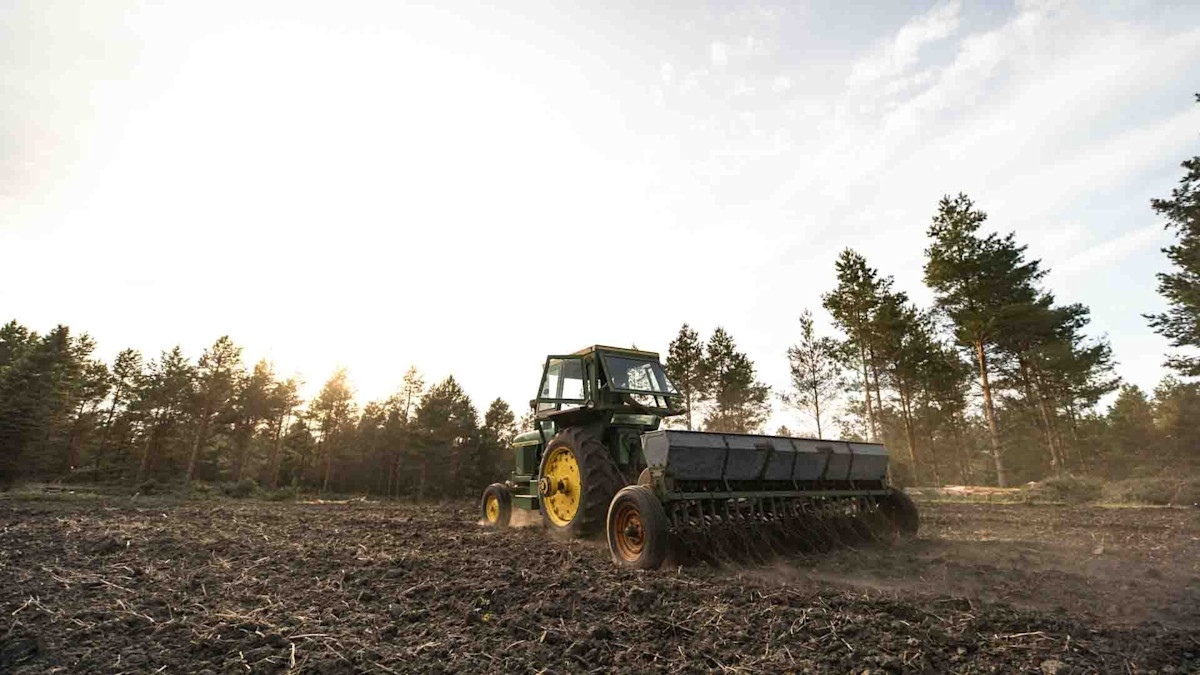
Back at the truck, I could see the combine cutting through the corn, blowing up dust that billowed across the field to settle in a thick layer over my windshield. My carefully planned October morning had turned into an entirely different hunt, and I hadn’t done a darn thing wrong. That’s the reality of hunting in ag country. Your plans can change as fast as the farmers’ do, and you’ll need to adapt, just like the deer will.
When the Crop Comes Down
It’s easy to think about a field of corn, soybeans, peanuts, or other agricultural crops as a food source for whitetails, but they offer more than something to eat. They also provide cover and security. When that crop suddenly disappears, so does much of the cover, and the change can have an immediate impact on how deer move across the property.
A buck that might have felt comfortable crossing a field of standing corn during daylight hours may feel too exposed to make the same trip after the field is harvested. Even familiar field edges can turn into wide-open runways once the combine comes through.
But that doesn’t mean the deer have abandoned ship. Just because the field has been harvested doesn’t mean the food source is gone. Combines are efficient machines, but they aren’t perfect. Depending on the crop and how it was harvested, there could still be plenty of groceries sitting in that field. It can make for a pretty attractive dinner table, especially right after the combine comes through.
The problem is getting a deer to walk up to the table during legal shooting light. You might see plenty of tracks and sign along the field edge but never see a deer in the field during daylight. The deer may still be using the field like a highway. They're just waiting until you can't see them.
Hunt Staging Areas
Deer are understandably reluctant to step out into an open field during daylight. But they still know good food is out there, waiting for them. Instead of hunting the field, hunt where deer hang back in cover, waiting for darkness to fall before making a move toward the food. You probably have a better chance of getting a daylight shot there than in the field itself.
Staging areas can be subtle. If you can tell where the deer are entering the field, either with well-worn trails or trail camera evidence, start by working your way backward from there. Look for bends in the field edges, corners hidden from the road, and trails that dump into the field. Pay attention to fresh tracks, droppings, and browse that show deer are spending time in the area, not just rushing through it. The goal is to find places where deer can stand in cover and assess danger before stepping into a wide-open field.
If you have trail cameras, pay attention to the timestamps. A camera can tell you that deer are using a field entrance, but the timestamps can tell you when they're using it. If most of your photos show deer entering the field after dark, try moving the camera back into the cover to see where they're staging before sunset. Those photos can help you narrow down where to hang your stand and whether deer are moving through during legal shooting light.
Be careful not to charge into potential staging areas. Deer use them because they feel secure, and you don’t want to blow that with carelessness. Think about wind direction and access routes, and plan your entrance and exit strategies accordingly.
Food Beyond the Field
Once the crop is cut, you just have to reassess the property to see where the deer’s priorities have shifted. Dropping acorns, weedy edges around a cutover, browse along a creek bottom, or pockets of soft mast fruit are all potential deer magnets. It’s not that the field stopped being a food source; the deer just may have other options that feel more secure during daylight.
Look for fresh sign around those areas, and pay attention to how they connect to bedding cover. Trail cameras can show you if the deer have shifted their grocery runs to a new location. If their activity shifts to an oak flat or a brushy edge, that may be a better place to spend your time than watching an empty field.
That’s what happened on my oak flat. It took less than 12 hours for the does and yearlings to flood the oak flat, which is less than 400 yards from the cornfield. It took a little longer for the bucks to move in, but I had several show up on my trail cameras 36 hours later. The combine hadn’t chased the deer off the property. It just changed where they wanted to be.
Set Up Smart
Finding where the deer are moving during daylight after the combine comes through is only half the battle. You still have to be able to hunt those spots without blowing them up. Before setting up on an oak flat, a high-traffic trail, or a staging area, think about how your scent is going to travel.
A picture-perfect spot is easily ruined if the wind carries your scent across it. Set up so the wind carries your scent away from where deer are likely to be, and if the wind doesn’t play right, choose a different location.
If you’re hunting areas with any kind of elevation, you’ll also have to consider thermals and the time of day. As a general rule, thermals tend to drop in the evening toward sunset and rise in the morning as the sun does. Of course, there’s always an exception depending on the terrain, wind speed, and canopy cover. Just make sure you assess the wind before and during your setup.
Don’t forget access and egress. A route that was hidden when the corn was still standing could leave you totally exposed after the harvest. Avoid crossing fresh trails or traipsing through bedding cover to get to your stand.
Hunt the Property You Have, Not the One You Had
That combine didn’t ruin my October when it rumbled to life in the cornfield that morning. It just ruined the plan I had before it showed up to cut the field.
That’s one of the realities of hunting ag country. The property you scouted in September won’t be the property you hunt in October. It only takes the purr of a diesel engine to redraw the map. When that happens, don’t stubbornly keep hunting the property you remember. Instead, hunt the property you have in front of you.
Stay in the loop with The Wired to Hunt Newsletter
Shop
Related
Scout
How to Relocate Deer after A Crop Harvest

Scout
The Best Deer Hunting Spot Might Be the One Closest to Your House