Endangered Species Act Revisions Could Have Real Impacts on Hunters, Wildlife, and Habitat

Editor's Note: This article has been updated since its original publication.
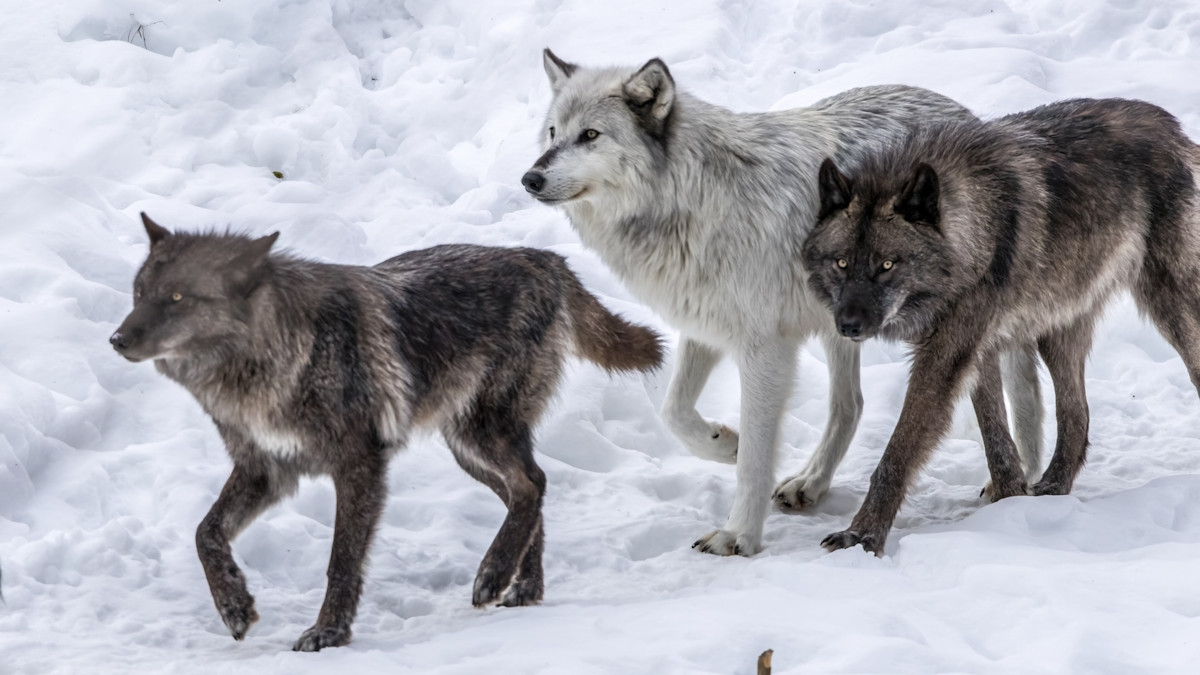
As hunters and anglers, endangered species aren’t typically on our minds. Few of the species we target are under protection from the Endangered Species Act (ESA), with wolves in the Lower 48 being a notable—and contentious—exception. However, the habitat protections afforded to a slew of other ESA-protected species trickle down to the big game and waterfowl species we target every year. A series of newly proposed changes, however, could impact those protections.
On November 19, the Trump Administration announced four proposed revisions that would apply to the U.S Fish and Wildlife Service (USFWS) and the National Marine Fisheries Service. Generally, they could change where and how protections are afforded to fish and wildlife habitat, and introduce economics to the ESA in a round-about way.
“Blanket” Protections
One revision seeks to remove a so-called “blanket rule” from the ESA. David Willms, Associate Vice President at the National Wildlife Federation, explains, “There’s this section, 4D, that authorizes the service to write rules for a threatened species that can include the ‘take’ prohibitions that apply to endangered species. What the blanket 4D rule does for take prohibitions, is it treats any species that’s listed as ‘threatened’ as though it’s listed as ‘endangered,’ and applies the same, full suite of take prohibitions to that threatened species that are applied to endangered species.”
In short, the blanket rules provides broad-brush protections against hunting and commercialization of threatened species. Proponents of the change might argue that removing the rule gets back to the original intent of the ESA, to differentiate between “endangered” and “threatened” species. But from a pragmatic point of view, it doesn’t change a whole lot. Species currently receiving blanket protections (about half of all threatened species) will not lose them, and going forward, the USFWS could still offer those protections to new species, or create a more species-specific set of regulations—something they could already do.
Still, that kind of tailored rulemaking could be a large burden, even if it’s only for a few species. “Species-specific rulemaking takes time and resources,” says Jane Davenport, senior attorney at Defenders of Wildlife. “And given that Congress has, for decades, really underfunded both the Fish & Wildlife Service and National Marine Fisheries Service, they’ve never had enough resources to do the jobs that Congress commanded them to do. So that extra rulemaking burden is not insignificant.”
Occupied vs. Unoccupied Habitat
Shifting to habitat, another proposed rule would create a greater distinction between “occupied” and “unoccupied” critical habitat. Occupied habitat encompasses the current range of a species, while unoccupied could include the species’ broader, historical range. The rule mirrors one that was made in 2019 under the first Trump administration, but was subsequently undone by the Biden administration.
Specifically, the proposal states that for unoccupied areas to be considered “critical habitat,” there must be “reasonable certainty both that the area will contribute to the conservation of the species and that the area contains one or more of those physical or biological features essential to the conservation of the species.”
While it’s difficult to know how the change would tangibly impact wildlife, it could make it easier to conduct timber sales or sell mining leases in areas of “unoccupied” habitat.
The Canada lynx could be a good example, for instance. The historical range of the lynx includes 14 U.S. states from California all the way to Michigan and Vermont. Currently, though, the species is only present in a handful of watersheds, mostly in Montana and Wyoming. Still, when a federal agency like the Forest Service is considering a timber sale in an area where lynx historically existed, they’ve had to consider the unoccupied habitat as paramount to the species’ recovery. Under the proposed changes, that unoccupied habitat could be considered less important unless it has “essential” features. Yes—it’s a broad definition.
Economic Analysis
A proposed change to section 4b(2) deals with economics—a touchy subject when it comes to the ESA. Per the original law, economics can’t play a part in listing a species—and that technically won’t change—but agencies will be allowed to conduct an economic analysis under the auspices of public interest when assessing critical habitat.
In the words of the USFWS, “The revised framework provides transparency and predictability for landowners and project proponents.”
Under the proposed rule, a person or entity with an economic stake in an area could present information on why the area should be excluded from a critical habitat designation. Alternatively, the department secretary (either USFWS or NMFS) could initiate a full review. Obviously, things like cattle leasing, timber harvest, and oil & gas development are easy to quantify, but there are a slew of other impacts (lost hunting license revenue, money spent by hunters & anglers in the local economy) that might be harder to put a number on. How the analyses will take everything into consideration is unclear.
“It’s a really narrow, one-eyed view of the world that privileges extractive interests, whether that’s logging, grazing, mining, or oil and gas drilling. It privileges the economic interests of the few, over the wider, broader interests of the public at large,” says Davenport, of the proposed change.
Assessing Impacts
Finally, a new regulation would reduce what a federal agency can consider when doing an ESA consultation for a new project. The proposed change would limit the scope of impacts that can be considered to those that are a direct result of an action.
For example, if there’s a proposal to expand a federal highway bisecting grizzly bear habitat from two lanes to four lanes, the direct habitat loss from the new lanes could be considered in an agency analysis, but future development as a result of the expansion—shopping malls, subdivisions, etc.—would be more difficult to justify in the analysis.
Overall, A Mixed Bag
In sum, the new interpretations of the ESA are a mixed bag. Since 1974, the law has protected hundreds-of-thousands of habitat acres and prevented dozens of species from blinking out, but it’s also been heavily criticized for keeping overly restrictive protections in place long after a species has recovered. Long-term, the revisions might not change anything.
“It’s hard to say what the impact of these changes are going to be, because they’re soliciting comments right now, they’ll have to finalize and get them put in place, then you’re probably going to have some organizations out there that are going to litigate and challenge these rules,” says Willms. “Maybe some of them will stay in place, and then in three years we’ll have another election, and a future administration may come in and try to undo those rules again. So it’s hard to predict the impact of something when you don’t know if it’s even going to exist in three years or five years.”
Still, development is unlikely to slow down in the coming decades, so it’s worth being careful in the present so future generations have wild game to hunt and fish to catch. The Endangered Species Act is one important piece to that puzzle, and changes to its interpretation could have real, tangible impacts on hunters and anglers if not made carefully.
A public comment period is open on all four proposed changes until December 22. You can submit your comment here, and for helpful information on which regulation changes to comment on, you can check out this USFWS page.
Stay in the loop with The MeatEater Newsletter
Shop
Related

Wildlife Management
Recent ESA Changes Likely to Have Resounding Habitat Impacts


Endangered Species
Interior Department Changes Rules for Endangered Species Act


