
This story was co-published with Re:Public Lands Media, an independent, non-profit news organization. Sign up for Re:Public’s newsletter.
Scan almost any corner of a U.S. map, and you’ll find a National Wildlife Refuge. In the far north, there’s the Arctic National Wildlife Refuge, a swath of Alaska protecting some of the nation’s remaining caribou herds, chunky salmon, and Arctic grayling. Glance southeast to find the 160,000-acre White River National Wildlife Refuge splashed across Arkansas with its bottomland forest and unparalleled waterfowl hunting. Head north again to see the John Heinz National Wildlife Refuge outside Philadelphia, offering a mentored white-tailed deer archery season on the edge of eight-lane Interstate 95. Then look West to find the tiny Mortenson Lake National Wildlife Refuge in Wyoming, one of the only places where the critically endangered Wyoming toad still croaks its mournful mating call.
Chances are most people can only name a few of the nation’s more than 570 refuges, but the spaces carry an outsized importance in conserving not only endangered species like red wolves and whooping cranes but also the ducks, geese, elk, black bears, and white-tailed deer so many of us spend weeks or months of the year chasing.
Unfortunately for the creatures who depend on those oases for places to eat, sleep, and raise their young, the wildlife refuge system is in a crisis like never before.
Jump to: The Refuges
Managed by the Fish and Wildlife Service under the umbrella of the Department of Interior, the refuge system has not escaped Interior’s widespread deep cuts. Staffing levels had already dropped by 27% between 2011 and 2023, before the Trump administration oversaw another stunning 43% plunge, according to staffing information obtained through a Freedom of Information Act request by the Center for Biological Diversity. Funding levels haven’t risen since 2010, yet the refuge system shoulders a $2.6 billion infrastructure backlog. Few staff remain on the ground to monitor and control invasive species, open valves to flood wetlands, fix tractors, man visitors’ stations, and patrol wild spaces inundated by a public yearning to go outside.
“There are always other priorities,” says Desirée Sorenson-Groves, president and CEO of the National Wildlife Refuge Association, the country’s only nonprofit focused exclusively on the refuge system. Whether Democrat or Republican administrations, “wildlife refuges always take it on the chin.”
The current director of Fish and Wildlife, Brian Nesvik, recognizes issues facing the refuges. He ordered a systematic review of each refuge in December 2025, which has not yet been released. But as he said on a phone call in March, “I’ve heard over many years concerns from folks who really value the system that the refuge system needs some help.”
In the meantime, even some staunch Republican lawmakers are becoming frustrated. Iowa Republican Sen. Charles Grassley wrote a letter to Nesvik in early October regarding local concerns about staffing shortages at his state’s Neal Smith Wildlife Refuge.
“I share their concern that this is not a sufficient amount of staff to fulfill the Wildlife Refuge’s mission,” his letter stated.
Sorenson-Groves agrees, saying many refuges are running on fumes.
“This is the worst I’ve ever seen the refuge system,” she says. “What’s happening to the resources and the morale. It’s difficult to watch… There is critical work not being done.”
And while cuts to the National Park Service, for example, draw outrage from lawmakers and coverage by national media, the refuge system remains largely forgotten—even if advocates say both are America’s greatest ideas.
Theodore Roosevelt christened Florida’s Pelican Island National Wildlife Refuge, the country’s first, in 1903 to protect brown pelicans and colorful birds from market hunters seeking their plumage. He went on to create another 50 refuges for birds and four for big game like the nearly extinct bison and dwindling Rocky Mountain elk. The refuge system grew from there, conserving and restoring wetlands that helped lead to the remarkable comeback of the American alligator, bald eagle, and piping plover; cordoning off the last remnant of habitat for endangered species like gulf sturgeon, red wolves, and masked Bobwhite quail; and offering a place to restore species like Key deer, Florida panthers, and ocelots.
According to Sorenson-Groves, wildlife refuges have also been “the darling child of users—hunters, fishermen, bird watchers, people who historically in the United States really cared about wildlife.”
And for good reason. Hunting and fishing have long been accepted activities on most refuges. In fact, the 1997 National Wildlife Refuge System Improvement Act formally recognized hunting and fishing, along with wildlife observation and photography, environmental education and interpretation, as priority uses for refuges.
Waterfowl hunters alone—through purchasing a federal duck stamp—helped pay for more than half of the nation’s wildlife refuges, says John Devney, chief policy officer with Delta Waterfowl, a national waterfowl hunting and conservation organization. Those refuges then became some of the last best habitat for everything from snow geese to northern pintails to mallards, a role that increases as lands around them face pressures from changes in agricultural practices, development, drought, sea level rise, and pollution.
“The Chesapeake Bay isn’t what it used to be. The Gulf Coast of Louisiana, broadly, isn’t what it used to be. The Mississippi Alluvial Valley has changed in terms of how it’s being farmed and the habitat values it provides,” he says. “So when we want to talk about maintaining a historic distribution of ducks, those public assets play a really, really oversized role in achieving those goals.”
Cut staff who manage the refuges and money to invest back into the land, Devney says, and you have “both a duck problem and a duck hunter problem.”
In August, the Fish and Wildlife Service announced plans to open hunting and fishing in 14 refuges and three fish hatcheries while adding nearly 1,500 “opportunities” at more than 100 refuges. The agency billed the news as the largest expansion of access to refuges in history, though hunting groups say the reality on the ground is a bit more nuanced (it is also one of many expansions by various administrations over the years, including the Biden Administration in 2024). Many of the changes merely align hunting on a refuge with local and state regulations. But in September, the administration released an executive order, 2026 Reinvigorating America’s Hunting Heritage executive order, which calls for most public lands to be open for hunting “unless a specific closure is justified by local resource conditions.”
While hunting groups largely applaud more access, they also worry about how refuges will manage additional pressure with crumbling roads and infrastructure and fewer law enforcement officers. Roughly 200 law enforcement officers, for example, patrol 850 million acres of land and water, an area that requires at least 1,000, according to the National Wildlife Refuge Association.
“With increased visitation comes the need for more maintenance and habitat work and making sure those places don’t get loved to death,” says Ryan “Cal” Callaghan, president and CEO of Backcountry Hunters and Anglers. “We haven’t got a straight answer to how any of that access will manifest with money.”
Congress originally authorized about $95 million each year from the 2020 Legacy Restoration Fund to pay for wildlife refuge infrastructure issues, but the fund expired in 2025. While Delta Waterfowl and other groups are lobbying for reauthorization and an increase in appropriations, Devney can’t see how any amount of likely appropriation will cover the massive workforce shortage in the short term.
Nesvik, for his part, hopes he will be able to increase staffing in the field. He has consistently heard from people that they love their refuges, he told RE:PUBLIC in September, and that they want to see facilities and infrastructure in good shape.
“The second thing I hear a lot is, ‘We want to see people in the field on the ground and we have less of that than we used to,’” he said. “So one of my biggest focuses right now is to get more boots on the ground at the 573 refuges around the country.”
To understand what the staffing and budget cuts mean for the people who depend on refuges and their wildlife, RE:PUBLIC interviewed dozens of former refuge staff, hunters, anglers, members of refuge friends’ groups, and refuge advocacy organizations. We then stitched together their answers to offer 10 refuges that illustrate the perils facing not only those refuges, but the hundreds of other oases scattered across the map from Alaska to Florida.
Bosque del Apache National Wildlife Refuge
New Mexico · Waterfowl · 57,331 acres
Key Issue: Water Infrastructure Collapse
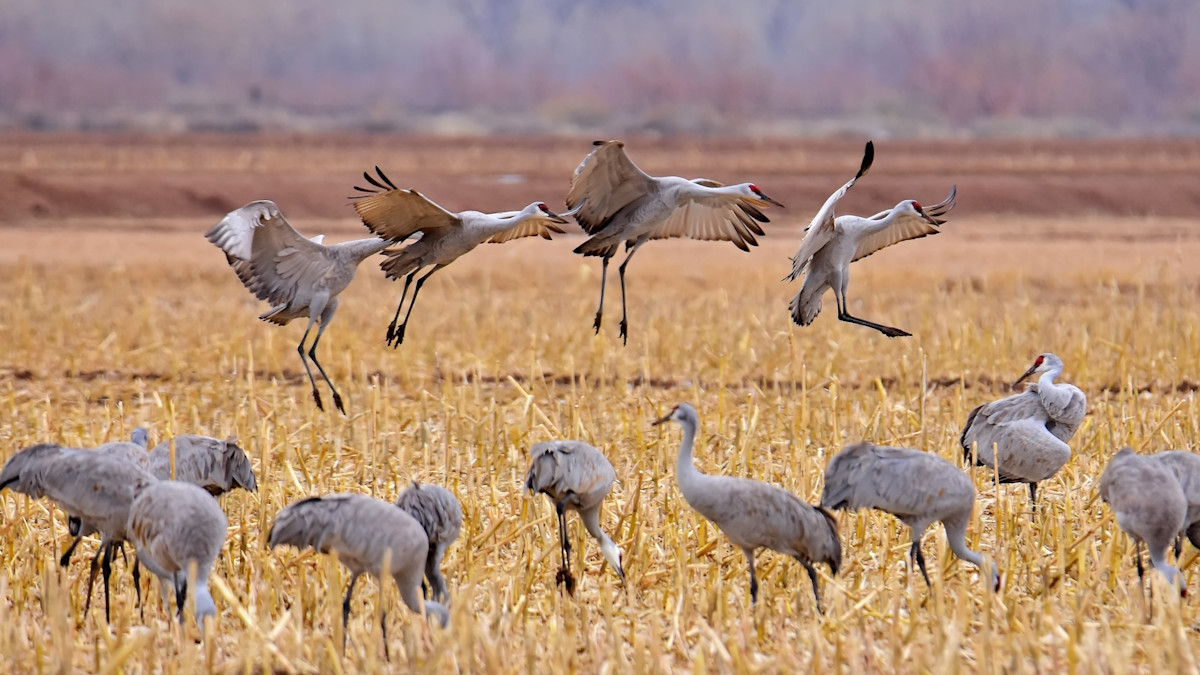
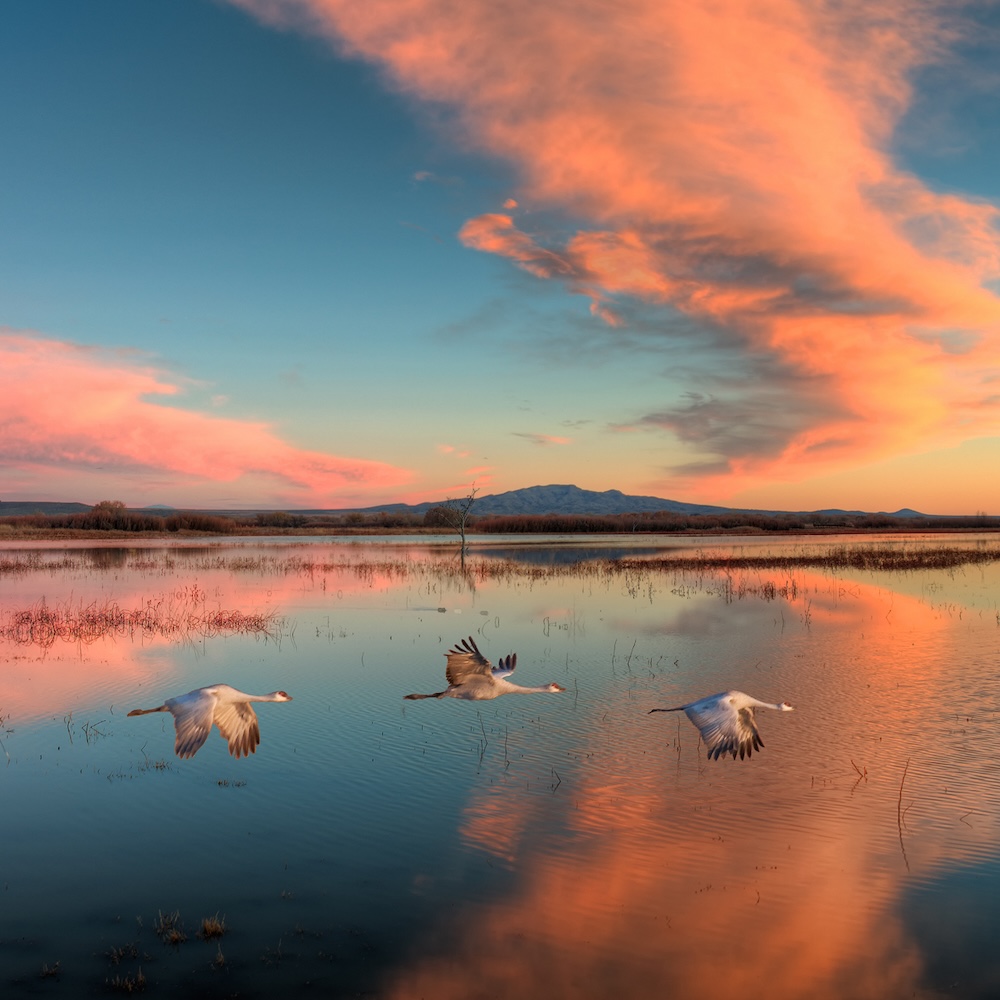
To say Bosque del Apache National Wildlife Refuge provides habitat for waterfowl is like saying the Nile River provides water to the desert. That’s why the refuge, one of the largest remaining wetlands in New Mexico, is “an oasis in the middle of a really hot dry, tough land,” says Stede Barber, communications manager of Friends of Bosque del Apache. The carefully conserved and managed refuge provides overwintering habitat to more than 20 species of ducks and geese, including mallards, American wigeons, green-winged and blue-winged teal, ruddy ducks, and northern pintails, as well as thousands of sandhill cranes and snow geese and more than 100 other bird species. Waterfowl have sought refuge there in such abundance that they can cloud the sky at sunset, all nourished by a complex series of canals and irrigation ditches that bring water to wetlands and soak fields of native grasses and other food.
The Threat
As development sucks the Rio Grande Valley dry and climate change compounds the problem, those ditches and canals are increasingly critical. But the 70-year-old gates and culverts are collapsing. Left unrepaired, water will no longer reach wetlands and roads may become impassable, hurting the refuge staff’s ability to manage land and diminishing public access, says Barber. “It’s nothing less than a crisis at this point,” says Brad Parks, a passionate duck hunter and New Mexico’s Ducks Unlimited state chairman.
What’s at Stake for Hunters
The refuge is the engine supplying waterfowl to a large chunk of the Rio Grande Valley, Parks says, and is a critical stopover for the Central Flyway. “It is extremely important for waterfowl to have a place of refuge and a consistent source of food.” In other words, less water in the wetland means fewer ducks in the sky.
Resources
Cache River National Wildlife Refuge
Arkansas · Waterfowl and Small Game; Fishing · 73,000 acres
Key Issue: Public Infrastructure Deterioration
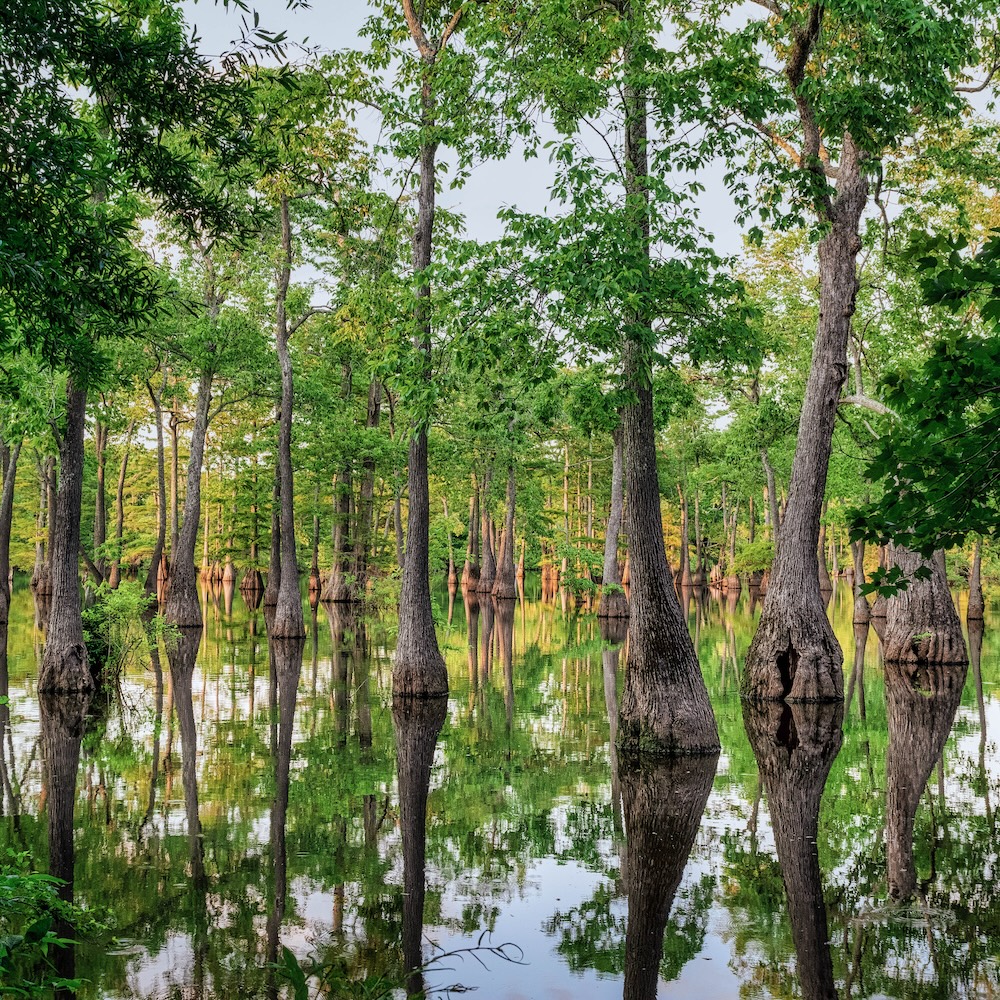
The Cache River National Wildlife Refuge isn’t just beloved by local hunters and bird watchers—it has been designated a Wetland of International Importance. Its 1,000-year-old cypress trees and tupelo swamps stand as testaments to the biologically rich land that existed before channels and canals drained the region to control flooding and increase agricultural production. Hunters seek species like wood ducks, blue- and green-winged teal, and snow geese here, while anglers cast their lines for crappie, bream, and catfish and houndsmen chase raccoons and squirrels. It is also considered the most important wintering area for mallards on the continent. “When I say big, I mean people are coming from all over the country to hunt these refuges,” says Keith Weaver, a lifelong hunter who used to manage the Central Arkansas National Wildlife Refuge Complex which includes the Cache River, Bald Knob, Big Lake, Wapanocca, Holla Bend, and Logan Cave refuges.
The Threat
“It’s no secret the National Wildlife Refuge System, and most seriously the southeast region, has experienced a tremendous loss of personnel,” Weaver says. And indeed, the Central Arkansas National Wildlife Refuge Complex that includes Cache River had as few as six full-time employees in 2026 from a high of 23. Weaver touted the hardworking and skilled staff putting in extra hours under emotional and physical stress, but at some point, it’s simply too much. They will eventually no longer be able to maintain boat ramps or grade roads, fix levees, intensively manage habitat, or control beavers and invasive plant and animal species like feral hogs to the extent necessary. “And that infrastructure is critical not only to habitat management but also public use.”
What’s at Stake for Hunters and Anglers
The more strained refuge staff become, the more public infrastructure will falter. That means fewer boat ramps ready for a weekend fishing, Weaver says, or roads maintained for travel through the refuge. And while volunteers can help, they require trained, full-time staff to plan and supervise projects.
Resources
Kenai National Wildlife Refuge
Alaska · Fishing · Roughly 1.98 million acres
Key Issue: Access and Resource Issues
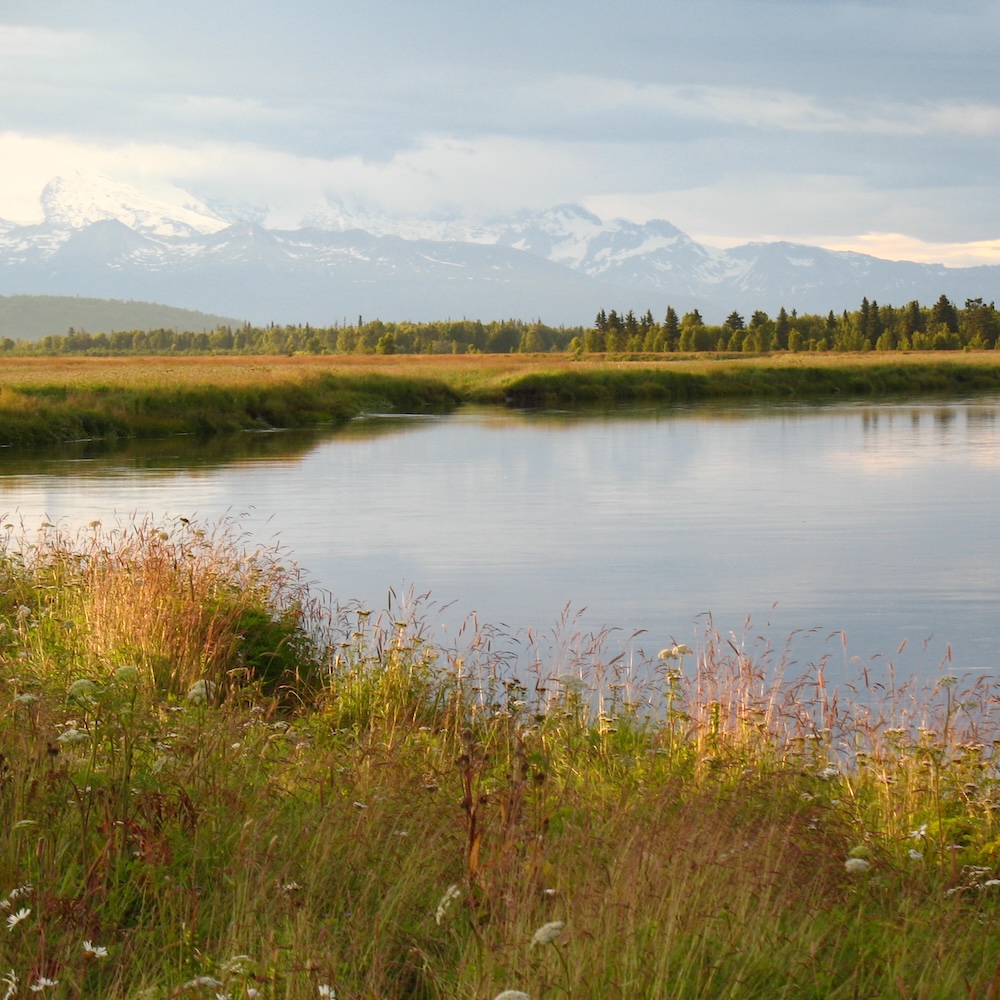
Each wildlife refuge in Alaska appears as stunning as the next, but the Kenai National Wildlife Refuge is the most visited, in part because of its proximity to Anchorage. It’s still plenty wild, though, with ice fields, glaciers, wetlands, tundra and boreal forests. Brown and black bears, lynx, wolves, trumpeter swans, Dall sheep, and caribou live inside the refuge. Trophy rainbow trout, Dolly Varden, and wild coho salmon swim in its rivers and lakes, and giant Kenai moose lumber nearby. Anglers use dozens of portages on the Kenai Canoe Trail System to access wild country, one of only three backcountry canoe trail systems in the U.S.
The Threat
The refuge lost 25 of its 44 staff members, according to the Center for Biological Diversity’s data. Eight new staff were hired, says Noah Greenwald, the organization’s endangered species director, but the new hires were largely technicians and laborers, not long-term positions like rangers.
Fewer staff at the refuge means three worst-case outcomes, says Mary Glaves, Alaska Program Manager for Backcountry Hunters and Anglers. The first is a shortage of biologists monitoring the resource. The second is a decline in law enforcement officers patrolling the area. And the third is a drop in access. That portage trail through lakes and streams filled with trophy fish requires regular maintenance after wildfires and winter storms. Backcountry Hunters and Anglers volunteers have stepped up to help in the past, as has Friends of Alaska National Wildlife Refuges, but even with volunteers, it’s hard to keep trails constantly cleared.
What’s at Stake for Hunters and Anglers
Fewer staff monitoring wildlife populations could lead to species languishing, overpopulations, or inaccurate information. And as access chips away, says Glaves, so does the desire to head into the backcountry. Fewer people venturing into the wildlife refuge means fewer people who care about its long-term sustainability.
Resources
Lower Rio Grande Valley National Wildlife Refuge
Texas · Deer, Wild Boar, and Duck · Roughly 102,000 acres
Key Issue: Proposed Land Swap
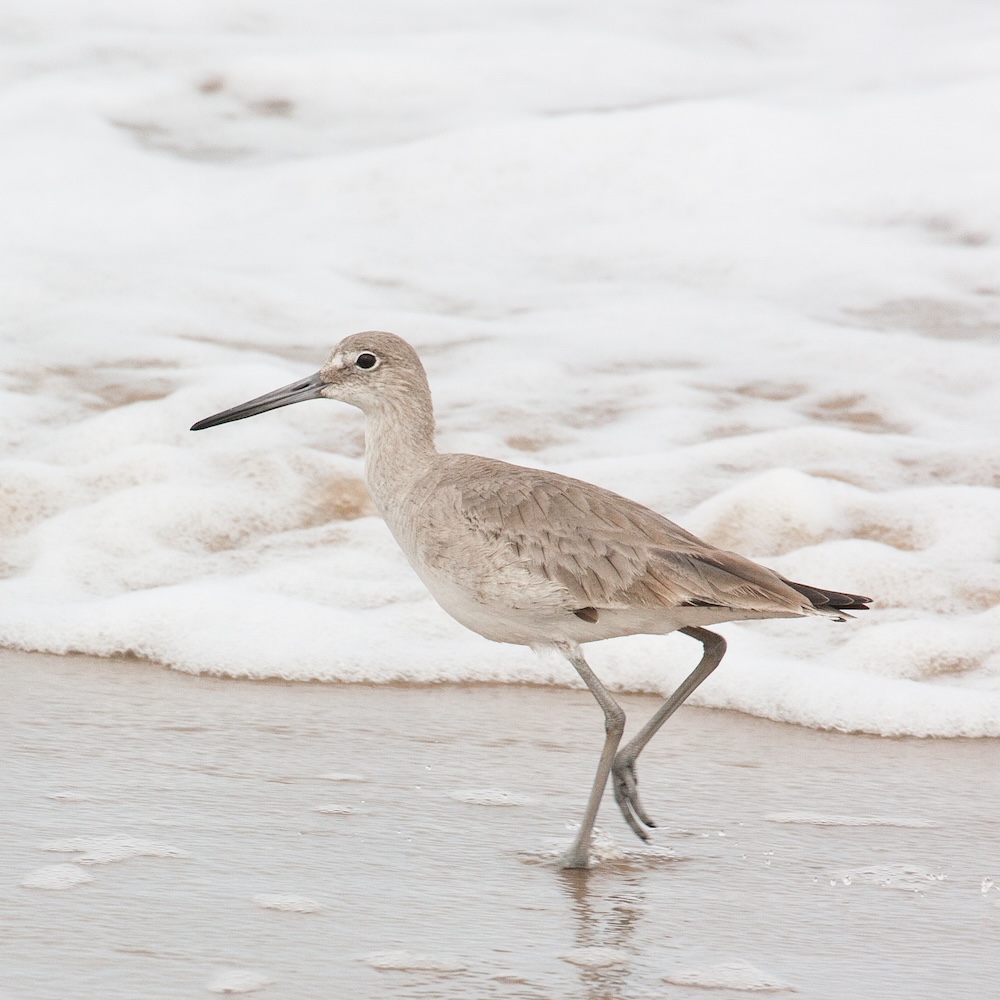
More than 93% of Texas is private land, which makes any slice of public land a refuge for hunters as well as wildlife. The Lower Rio Grande Valley refuge spans the last 275 miles of the Rio Grande River in southeast Texas, and was established by the Fish and Wildlife in 1979 as a wildlife corridor that connects land owned by private individuals, nonprofits, the state, and two other wildlife refuges. It houses endangered species like the spotted ocelot and tiny jaguarundi, as well as condors, puffins, ducks, white-tailed deer, and invasive wild boars.
The Threat
One of the refuge’s closest neighbors, Elon Musk’s SpaceX, wants to exchange a piece of the refuge for land elsewhere, a proposal recently cleared by a U.S. District Court judge and fast-tracked by Fish and Wildlife. “Look at it on the map, and the stuff they’re gaining is not the same kind of wildlife habitat they’re losing,” says Land Tawney, co-chairman of American Hunters and Anglers. “These are duck stamp dollars that help pay for refuges, and we the people had little or no say in divesting the land that belongs to us.”
What’s at Stake for Hunters and Anglers
For Tawney and other hunters and conservationists, a land exchange shrouded in relative secrecy is emblematic of future possible swaps involving the wealthiest individuals or corporations. Unlike other public land management agencies like the U.S. Forest Service or Bureau of Land Management, the Fish and Wildlife Service has broad latitude to swap parcels. “This is a really bad precedent,” Tawney says. “As we look at the administration’s desire to put data centers on public land… Does this make me nervous? Absolutely.”
Resources
Maine Coastal Islands National Wildlife Refuge
Maine · Waterfowl · Nearly 10,000 acres
Key Issue: Critical Nesting Habitat Threatened
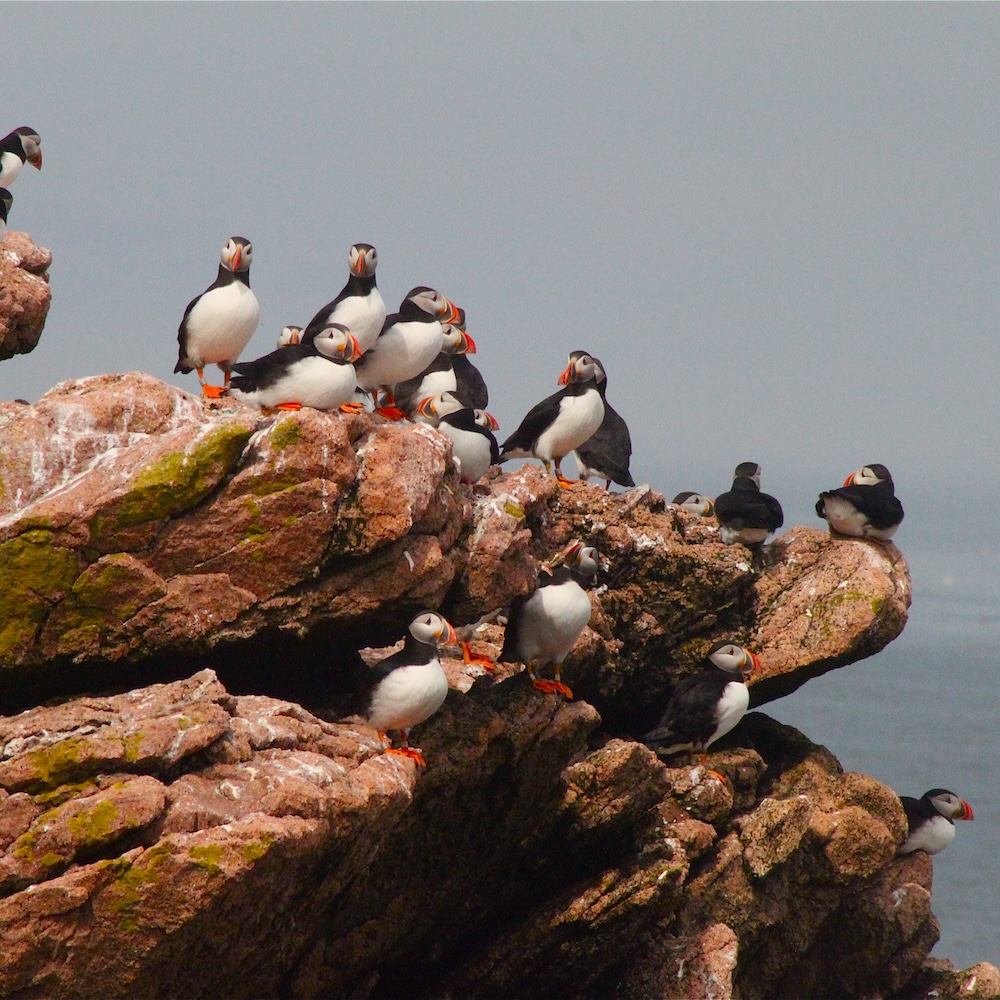
This refuge is, as its name implies, a vast complex of more than 70 rugged, largely undeveloped islands in frigid North Atlantic waters. The spits and nobs of rock totaling nearly 10,000 acres host a dizzying array of nesting seabirds, including common, Arctic, and endangered roseate terns, Atlantic puffins, and double-crested and great cormorants. It is also becoming increasingly popular for sea duck hunting of species like the large, fast-flying common eider. Refuge staff work long days patrolling islands with the most important nesting habitat and controlling populations of seagulls, which had thrived off the riches of garbage dumps and chicken butchering facilities on nearby islands, says Tom Goettel, Maine Coastal Islands’ first refuge manager. When the bloated gull populations can’t reach other food, they tend to feed on chicks and eggs of nesting seabirds.
The Threat
Staff numbers have dwindled, and the knowledge and experience of those who remain will leave as they retire. At the same time, human pressure here only increases. Most islands with nesting habitat are closed to the public during nesting season, but few people patrol them. And whereas 200 years ago seabirds might have had hundreds of important nesting sites, now only about a dozen exist. “We really have to protect the ones we have,” Goettel says.
What’s at Stake for Hunters
Females of species like common eiders sit on their nests hidden in tall grass and don’t leave until their chicks are ready to fledge. But if a person, or even worse a person with a dog, lands on the island during nesting season, the eiders will flee. Gulls then typically swoop in and steal the eggs or chicks for a meal. Those encounters stack up, Goettel says. Only increased law enforcement and refuge staffing can help the public stay informed and maintain healthy seabird populations.
Resources
National Elk Refuge
Wyoming · Elk · Roughly 24,700 acres
Key Issue: Disease Concerns
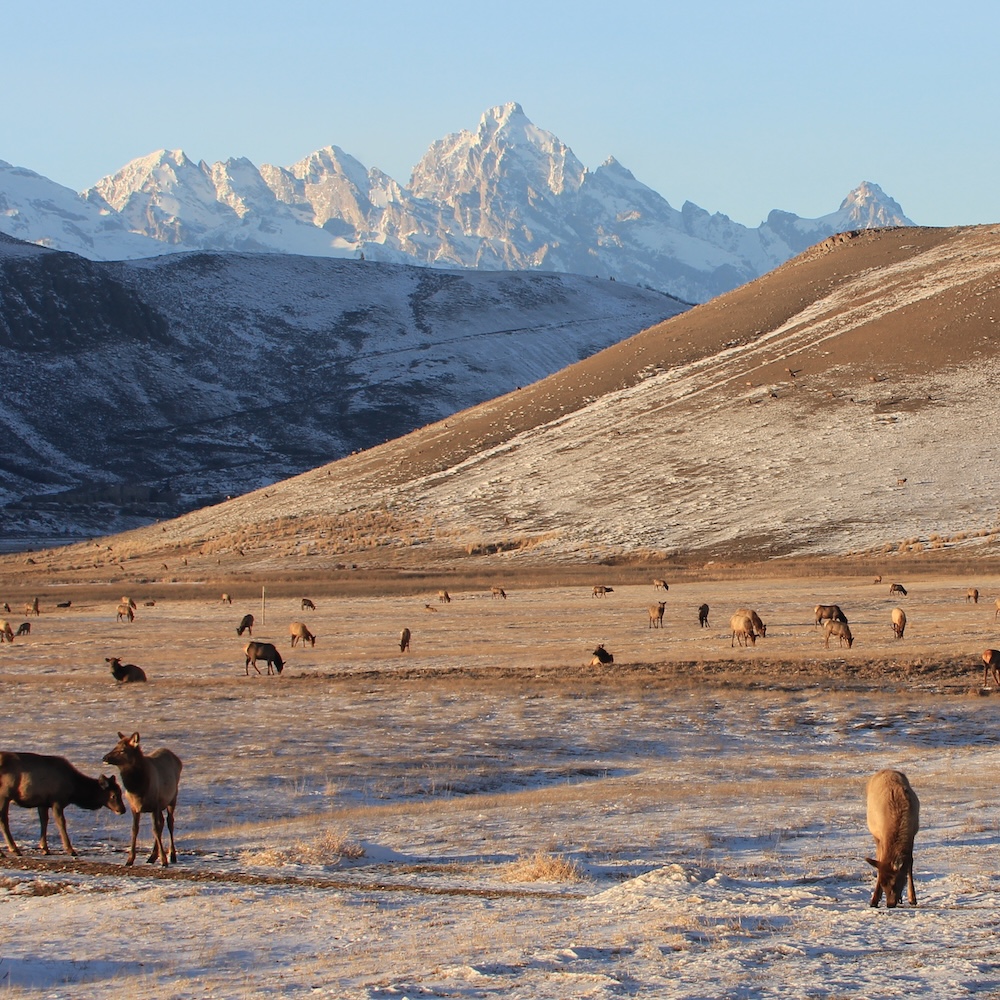
More than a century ago, after a series of brutal Wyoming winters killed thousands of elk, Congress established the National Elk Refuge. The plan was to feed elk that poured down out of the Wyoming and Idaho mountains into a low country increasingly fragmented and occupied by ranches and houses. That feeding program kept elk away from ranchers’ hayfields and prevented the large ungulates from starving. Now millions of visitors to the Greater Yellowstone Ecosystem drive by the National Elk Refuge on a nearby highway on their way in and out of Grand Teton National Park. They gawk at elk and bison, bald eagles, and trumpeter swans. Families bundle up for horse-drawn sleigh rides through the refuge in the winter.
The Threat
Unfortunately, elk are now facing consequences from those century-old good intentions, says Lloyd Dorsey, a hunter and conservationist who has lived in Teton County for more than half a century. “Bacterial brucellosis in both species, and scabies, hoof rot, and now chronic wasting disease in some elk are long-ignored signals that the paradigm needs to change,” he wrote in an email to RE:PUBLIC. Yet ending a program that feeds more than 20,000 elk each year is complex and controversial. And despite calls from some conservationists to end the program, Fish and Wildlife will likely continue even as disease spreads through the artificially congregated animals.
What’s at Stake for Hunters and Anglers
Research has shown that ending feeding on the National Elk Refuge, as well as the 21 feedgrounds the state of Wyoming runs in the region, would diminish the number of elk on the landscape. But maintaining the feeding program will likely lead to continued disease spread, as chronic wasting disease gains a foothold.
Resources
Learn more about the U.S. Fish and Wildlife Service’s proposed plan here.
Neal Smith Wildlife Refuge
Iowa · Pheasant and Deer · 6,000 acres
Key Issue: Invasive Species
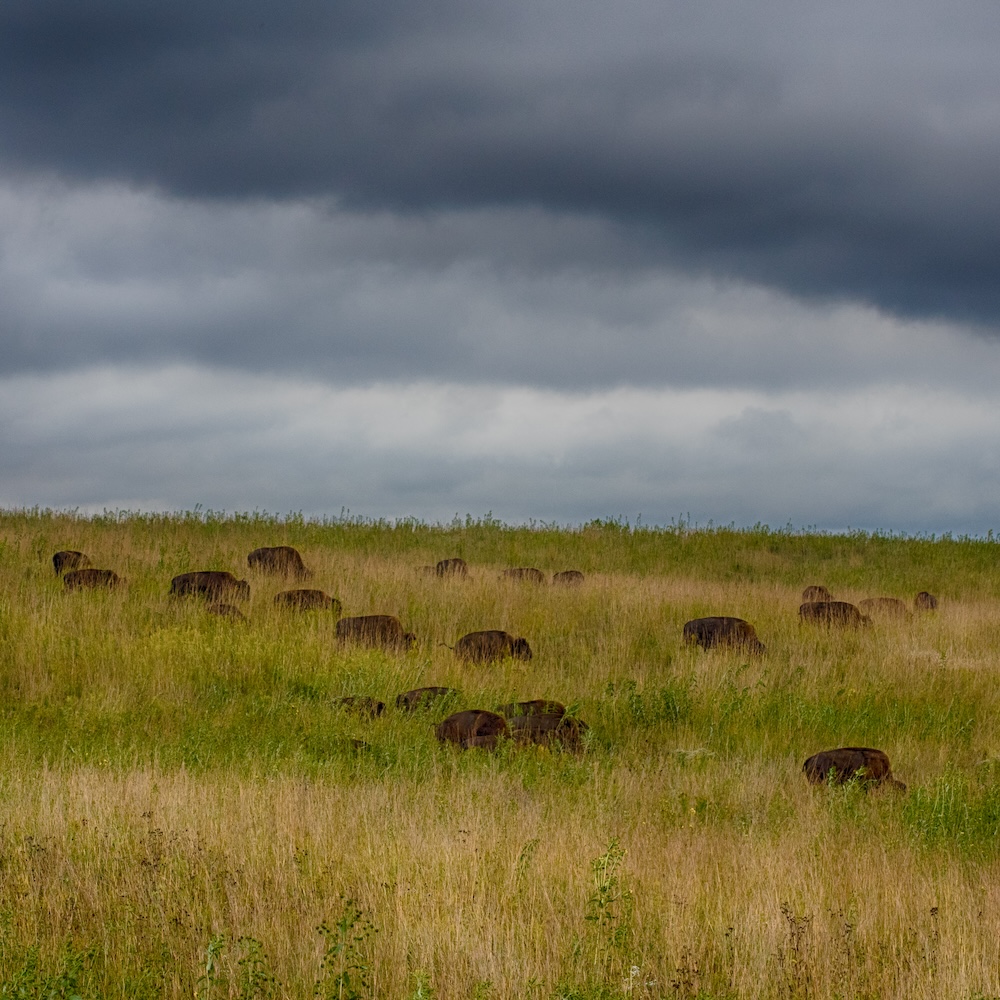
Bison, white-tailed deer, more than 200 bird species, and the now-extinct eastern elk once thrived in the tallgrass prairie and savannah oak that covered 85% of Iowa. Now native tallgrass prairie amounts to less than .1% of the state. To offset at least a fraction of the losses, volunteers and refuge staff spent years collecting seeds and slowly restoring these 6,000 acres once riddled with coal mines. Their efforts worked—once again providing a wild home for bison, deer and elk, songbirds, endangered bats, salamanders, and a flourishing population of pheasants.
The Threat
Restoring native grassland requires constant attention, says Joan Van Gorp, former president of Friends of Neal Smith National Wildlife Refuge. Without regular monitoring and controlled burns, invasive species like bushy lespedeza, spiky Canada thistle, Siberian elk, American willow and honey locust take over. About 14 full-time employees once managed the area but now only three full-time staff remain. The grassland savannah is slowly turning, once again, into an impenetrable tangle of weeds and branches. “Everything is kind of at a standstill,” she says, “and it gets worse every year.”
What’s at Stake for Hunters
Invasive species continue their slow creep, consuming wildlife habitat on its destructive path. A federal fire crew managed to burn 3,000 acres last year, but Jim Johnson, a longtime hunter and volunteer, feels that, with little staffing and even less money, it’s only a matter of time before the invasives fully take over, crowding out native cover and food for the pheasants and other species that thousands of hunters seek each year. “That’s the most frightening thing of all,” Johnson says. “If you don’t have plans for the future, when the future arrives, you have nothing.”
Resources
Pocosin Lakes and Alligator River National Wildlife Refuges
North Carolina · Waterfowl, Bear, and Deer · Roughly 270,000 acres
Key Issue: Sea Level Rise, Staffing and Budget Shortages
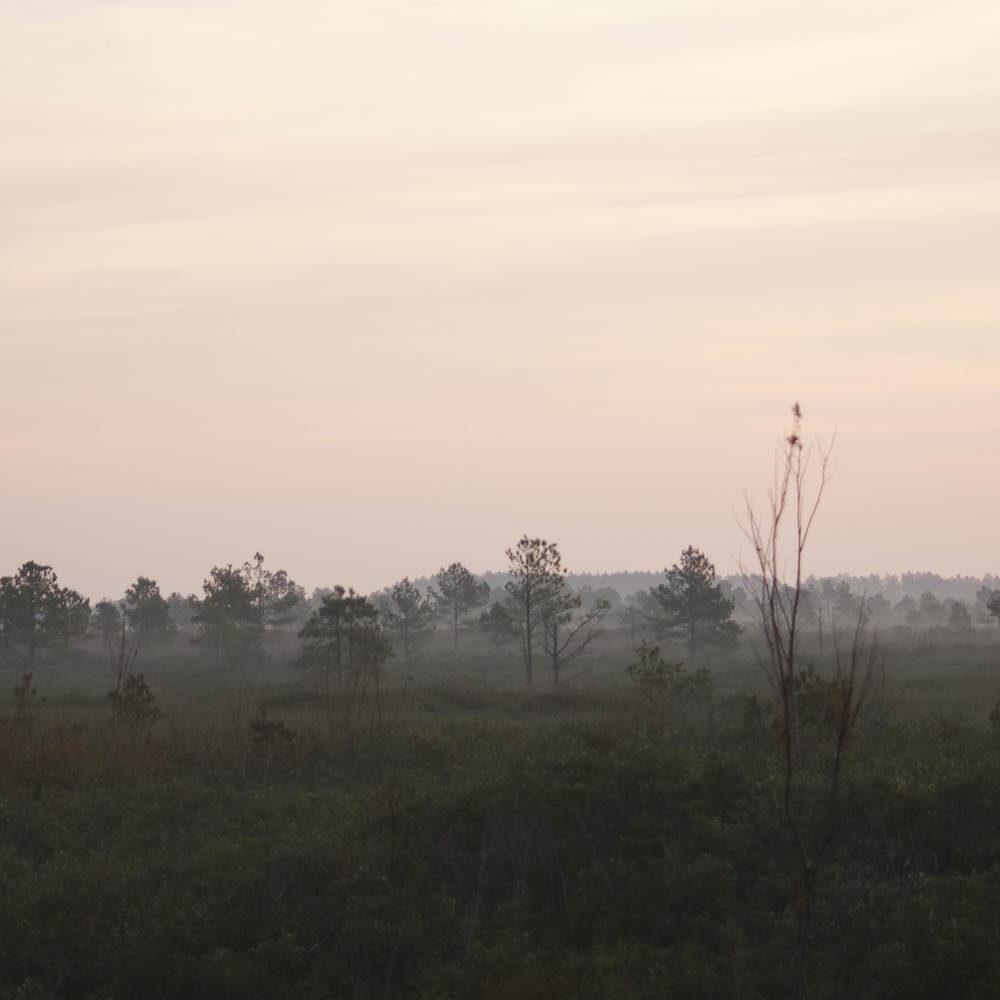
These two national wildlife refuges near Albemarle Sound form the backbone of some of the best habitat for migratory birds in North Carolina. They contain a unique peat soil that sits enough above sea level that it earned the Native American name meaning “swamp on a hill.” The two refuges are managed as part of a nine-refuge complex that anchors one of the highest concentrations of tundra swans in the Lower 48, as well as one of the densest populations of black bears in the country. It is also one of the most rural spots on the eastern seaboard. Pocosin’s 110,000 acres and Alligator River’s nearly 160,000 acres provide a buffer from rising seas and saltwater encroachment.
The Threat
Cuts over the past few decades have made active management of the refuges nearly impossible, says Howard Phillips, the National Wildlife Refuge Association’s southeast regional representative and a former Pocosin refuge manager from 2001 through 2020. The nine-refuge complex requires 126 employees to properly manage, according to Comprehensive Conservation Plans completed about 20 years ago. Now only nine full-time employees operate the refuges as sea levels continue rising and levee infrastructure ages.
What’s at Stake for Hunters
“Without proper infrastructure and staffing, it’s really hard to manipulate water the way it’s supposed to be done,” says Cyrus Hunter Baird, vice president of government affairs with Delta Waterfowl, who also worked and hunted at the refuges. “If you have a couple of bad budget years and you have to sacrifice diesel and can’t run pumps and let these places lay for a season or two, it will take a long time to get them back.”
Resources
Sacramento National Wildlife Refuge
California · Waterfowl · 10,800 acres
Key Issue: Hunting Closure Risk
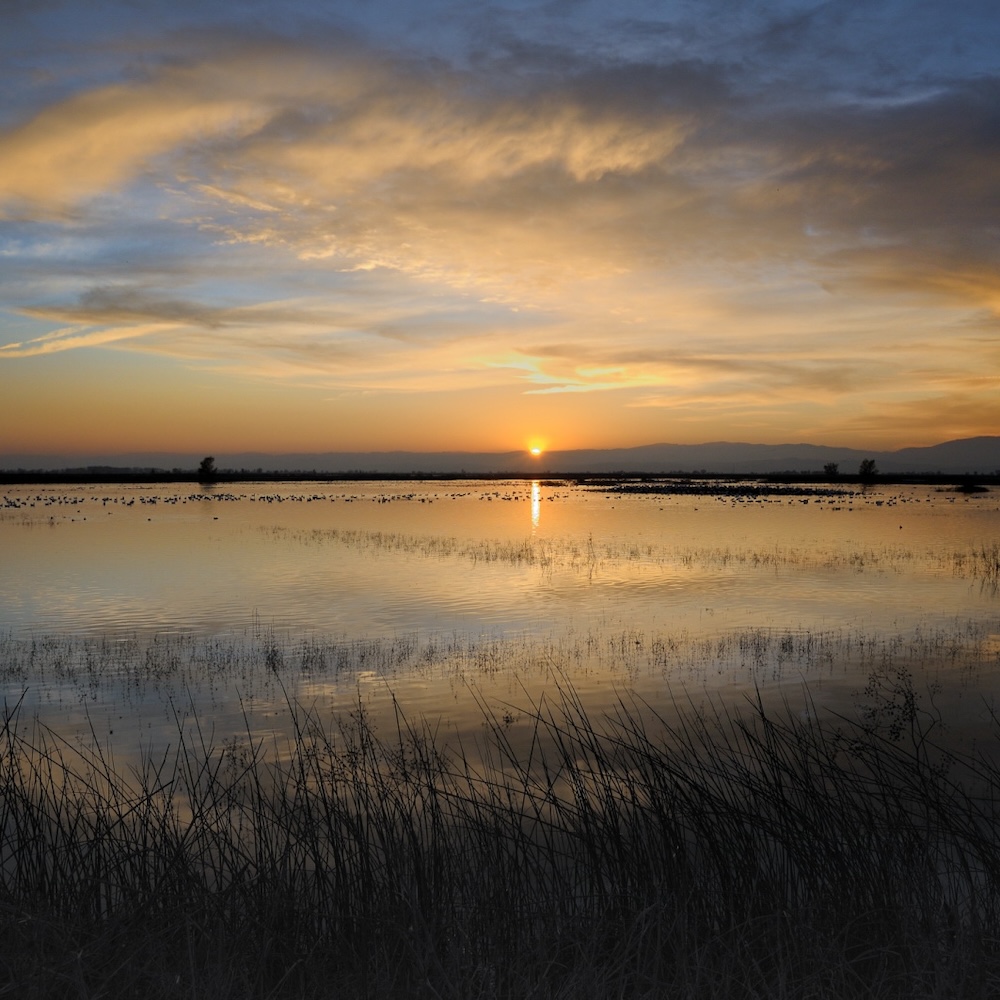
More than half a million ducks and a quarter-million geese spend their winters at the Sacramento refuge. A critical stopover on the famous Pacific Flyway, it was created in 1937 to provide habitat for waterfowl, alleviate crop depredation, and protect sensitive and endangered species. In a populated state, the broader Sacramento National Wildlife Refuge Complex, which includes another four wildlife refuges, contains more than 70,000 acres of habitat hosting almost 300 bird species. They’re part of the broader Sacramento Valley, which winters about 3 million ducks and 750,000 geese. The refuge offers world-class hunting opportunities within a couple hours’ drive from millions of people.
The Threat
The Sacramento refuge has lost 60% of its staff since 2011, going from 21 full-time positions to 10. What’s more, each full-time position comes with extra money to hire part-time or seasonal employees, compounding the full-time losses. Most refuges, including Sacramento, also had fire crews—sometimes a dozen strong—that helped with habitat and other refuge needs when not addressing prescribed burns. Now the refuge no longer has enough staff to run water or mow and disc all of the habitat needed for waterfowl hunting, relying on the California Rice Commission and several private donors to pay for a small portion of the shortfall, says Jake Messerli, president and CEO of the California Waterfowl Association.
What’s at Stake for Hunters
If private money dries up, the refuge will likely flood fewer fields and maintain less habitat, leading to fewer ducks for hunters. “If you constantly cut back, it’s death by a thousand cuts and people lose interest,” Messerli says. “Fewer hunters means fewer dollars from licenses which means further budget cuts and it snowballs from there.”
Resources
Friends of Sacramento National Wildlife Refuge and California Waterfowl Association
Seney National Wildlife Refuge
Michigan · Hunting and Fishing · 95,000 acres
Key Issue: Loss of Access
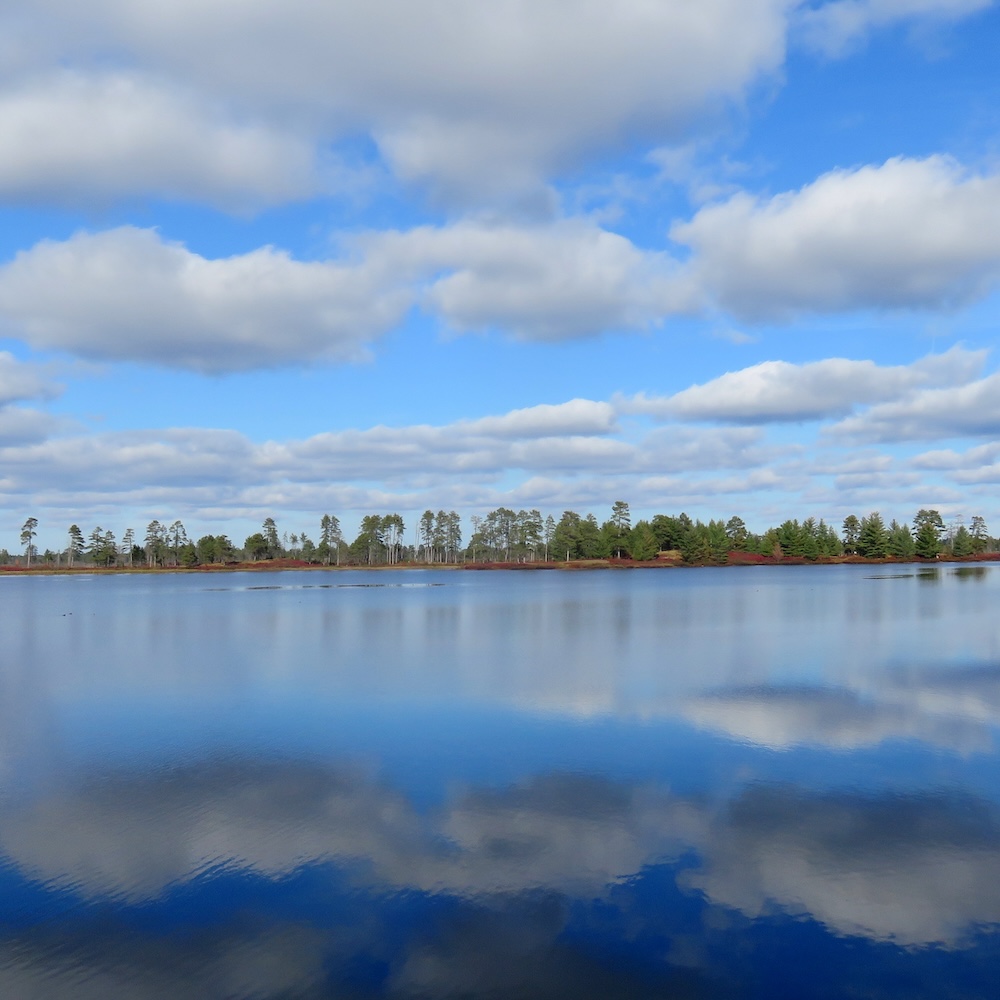
Hunting camps have a long and storied tradition in Michigan’s Upper Peninsula. Big game hunters stalk white-tailed deer through the woods, upland hunters pursue American woodcock, Wilson’s snipe, and ruffed grouse, and small game hunters chase snowshoe hares. The Seney refuge, created by Roosevelt in 1935, also hosts 200 species of birds, including trumpeter swans, common loons, and ospreys; 26 species of fish such as northern pike, large and smallmouth bass, and walleye; 50 mammal species; and 22 types of reptiles and amphibians. Ernest Hemingway’s iconic 1925 story “Big Two-Hearted River” takes place on the Fox River, which runs near the refuge.
The Threat
Like so many refuges, staffing levels at Seney have plummeted, says Tom Worthington, the National Wildlife Refuge Association’s Midwest Region’s representative. The refuge once had as many as 10 full-time staff and now has fewer than three: a refuge manager, maintenance worker, and a seasonal park ranger. Much of the refuge is thick woods accessible through two-tracks and wilderness with remote entry points. “With a lack of staff it’s hard to maintain access to large parts of the refuge,” he says. And a lack of permanent fire personnel will mean fewer prescribed burns that help manage the landscape. Wetland pools built in the 1930s and ’40s and used by sandhill cranes and other waterfowl will also start to fail if not properly maintained.
What’s at Stake for Hunters and Anglers
Hunters and anglers stand to lose what limited access they still have to portions of the refuge, Worthington says. He also worries about a lack of law enforcement patrolling the rural area and about fewer biologists and other staff able to tackle invasive grasses and other plants.
Resources
Stay in the loop with The MeatEater Newsletter
Shop
Related
Public Lands & Waters
USFWS Expands Hunting and Fishing Access at 18 Wildlife Refuges

Public Lands & Waters
The Quiet Collapse of America’s Refuges