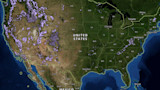

Sources tell MeatEater that the U.S. Congress will act soon on a proposal to repeal the Roadless Rule, which was enacted in 2001 and safeguards some 58 million acres of public land in 39 states from new road development. H.R. 7695 would nullify the rule and also “require the Secretary of Agriculture to construct certain roads on National Forest System lands, and for other purposes.”
The Subcommittee on Public Lands is expected to consider the bill as soon as this Thursday. Should the bill pass out of committee, it would then go to Congress for a full vote.
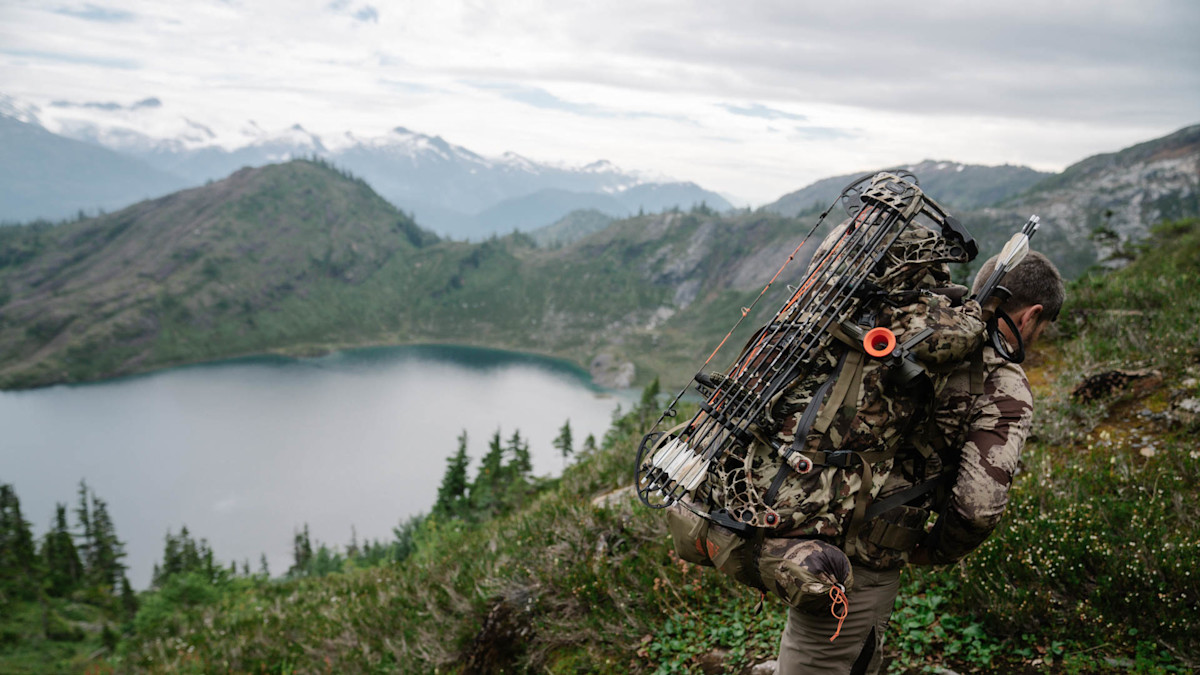
The action on the proposed bill comes as Trout Unlimited recently released a report highlighting the ecological and recreational benefits of the Roadless Rule, such as protecting critical big game habitats. For instance, 93% of roadless areas in Montana encompass summer elk range, and 99% of roadless areas in Utah are deemed crucial or substantial mule deer habitat. Elk harvest in roadless areas can be up to 10 times higher than in “heavily roaded landscapes.”
“Inventoried roadless areas provide some of the most intact big game habitat left in this nation, while also providing accessible, high-quality hunting opportunities,” MeatEater’s Director of Conservation Mark Kenyon said. “I killed my first bull elk in a roadless area, a memory I’ll never forget and an experience made that much richer by the undeveloped, wild landscape that surrounded me. It would be a profound tragedy if our children, and our children’s children, did not have those same opportunities.”
Other conservation benefits of roadless areas highlighted in the report include the fact that they span just 2% of the country but support around 25% of all species protected under the Endangered Species Act. Additionally, around 70% of them contain habitat for native trout or salmon species. Those watersheds are known to be significantly healthier than those in roaded areas.
TU’s report also highlights several reasons why nullifying the roadless rule may not be economically beneficial, either, such as the fact that keeping roadless areas intact impacts just 0.2% of the nation’s timber demands from national forests. Meanwhile, the national forest system already has a deferred maintenance backlog of $10.8 billion, with approximately half of that related to existing roads. It’s important to note that roadless areas are not equivalent to wilderness areas, and they do allow for active forest management and science-based wildfire mitigation.
“America’s roadless areas are the quiet workhorses of our public lands,” TU CEO Chris Wood said. “They produce the cold, clean water that trout and salmon depend on, they give elk and mule deer the space they need to thrive, and they offer hunters and anglers access to quality hunting and fishing that’s getting harder to find. The Roadless Rule has stood the test of time because it strikes a simple balance—protecting these irreplaceable places while still allowing smart forest management. Rescinding it would be a costly mistake for fish, wildlife, and the outdoor traditions that depend on them.”
Conservation groups are urgently asking folks to make their voices heard on the issue. Now’s the time to show up for our roadless areas before it’s too late.
Stay in the loop with The MeatEater Newsletter
Shop
Related
Conservation News
Congress to Consider Roadless Rule Rescission
Public Lands & Waters
Act Now to Protect the Roadless Rule