Popular searches
Articles
Series
Topics
Shop
Recipes
The MeatEater Podcast
Ep. 936: Something From The White House That We Can All Applaud
Play Episode
1h51m
Steve Rinella and the MeatEater Crew Discuss: Trump’s executive orders on hunting and fishing; Etsy loves Epstein but hates squirrels; a new U.S. record whitetail and a Pennsylvania state record elk; a little more on Yellowstone wolves (yes, it never ends), Congressman Ryan Zinke on the A River Runs Through It Act; and more!
Connect with Steve and The MeatEater Podcast Network
00:00:04
Speaker 1: Welcome to the news show, everybody. We got a doozy for you. This week, we've got big, great news from the White House, which is very nice, and a welcome break from a string of bad news from the White House. We've got a new U.S. typical whitetail deer record, which nudges out the Huff Buck, who we interviewed here on the podcast, so condolences to you, Huff. We got a dude in Pennsylvania who put on a onesie and shot a new Pennsylvania state record elk with a crossbow. We got Etsy really is the devil. We've got fresh wolf news. And we hear from U.S. Representative Ryan Zinke about a piece of legislation called, get this, a River Runs Through It Act, which is artful naming. But first, back to that giant buck.
00:00:51
Speaker 2: All right.
00:00:52
Speaker 3: Earlier this month, Boone and Crockett announced that there is a new USA record for typical whitetail deer. And it's a buck that was killed 35 years ago. Here's how that came to be. Sam Iupa of Northern Illinois was out pheasant hunting on November 28th, 1991. Sam's passion was bird hunting, and he considers himself just a casual deer hunter. He said he'd always buy deer tags, but he never put much time or effort into actually deer hunting. However, it was actually pheasant hunting that helped him kill what would end up being the new USA record. Here is Sam telling the story of that hunt via Boone and Crockett.
00:01:33
Speaker 4: Okay, I was hunting birds.
00:01:36
Speaker 2: Around 3.30 we put the dogs up.
00:01:38
Speaker 4: I had a stand there because I saw a lot of scrapings and a lot of deer tracks.
00:01:43
Speaker 2: I said, I'm going to go in the deer stand.
00:01:45
Speaker 4: This was around 3.30 in the afternoon. Just before sundown, this deer come walking down the trail. He stopped, he looked around, walked a little bit, and stopped and looked around. I lift up my slug shotgun. I took one shot. He jumped up to the air. came down, went over the hill. Stood in my stand for another 15, 20 minutes, came down, saw the blood, went over the hill, and there he was laying dead on the other side of the hill. Called my buddy, and we helped process the deer at that time.
00:02:21
Speaker 3: No, that's a deer hunting story. Just no nonsense.
00:02:23
Speaker 2: Yeah, man.
00:02:24
Speaker 1: He cuts all the bullshit out.
00:02:25
Speaker 2: You know what I mean?
00:02:26
Speaker 3: Guys would take longer to tell you about a doe that they didn't kill. That's just how quick.
00:02:30
Speaker 5: Totally.
00:02:31
Speaker 3: And this is the USA record.
00:02:32
Speaker 6: Plus, it doesn't seem like he was out there after a record, you know?
00:02:35
Speaker 4: No.
00:02:35
Speaker 5: It's great.
00:02:36
Speaker 6: It's like the Hanson buck.
00:02:37
Speaker 1: Dude, what an unbelievable deer. So, but hold on a minute.
00:02:40
Speaker 5: Yeah.
00:02:41
Speaker 2: Okay.
00:02:41
Speaker 1: You're going to get to all this. Because this is a long time ago.
00:02:44
Speaker 4: Yes.
00:02:45
Speaker 5: What a giant.
00:02:45
Speaker 1: That's bigger than the one laying in my yard.
00:02:48
Speaker 5: Yeah.
00:02:48
Speaker 3: Yeah, he's that big. And what Sam doesn't mention in that clip is how the gun he killed it with, a Remington 870, was also his pheasant hunting gun that day. So he just went home, swapped out his birdshot for slugs, and then went deer hunting. That's how it goes down.
00:03:02
Speaker 6: So he wasn't even using a rifled slug barrel. It was just a smoothbore.
00:03:06
Speaker 3: So Sam kills that buck with very little fanfare. He skullcaps the deer, nails it to a plaque, and hangs it in his basement.
00:03:13
Speaker 6: There he is.
00:03:14
Speaker 3: At that point, the buck basically disappears for three decades. Then, in 2023, Sam has an electrician at his house to do some work. The electrician's name is Don. Don starts working in the basement, and that's when he spots the deer, and he can't believe his eyes. Don goes to Sam. He's like, Sam, where the hell did this deer come from? And Sam tells him the story, how he killed it 30 years prior, and that's when Don tells Sam, hey, Sam, this might be the Illinois state record. And so Don pleads with Sam to get the buck scored because he thinks it might dethrone the Mel Johnson buck, a very famous whitetail. It was the Illinois state record of 204 inches that has stood since the 1960s. So Sam gets the buck roughly scored and it's even bigger than anyone imagined. Initial measurements show that this deer is actually of world record caliber, not just state record size. So the buck has now at this point, like kind of entered the public eye and an antler collector in New York hears about it through the grapevine. He drives 600 miles to Sam's house to see the rack and ends up purchasing it from him for an undisclosed mountain. So the rack sits in a basement for 30 years. Antler collector hears about it prior to it being officially scored. Antler collector goes and buys it from Sam.
00:04:32
Speaker 1: Man, I bet Sam got screwed on that deal, man.
00:04:34
Speaker 3: I'm I'm guessing he didn't get his top dollar at that point.
00:04:38
Speaker 1: That would be my assumption.
00:04:40
Speaker 3: The Antler Collector then has it officially scored by Boone and Crockett, and it comes out to a typical score of 207 and 7 eighths.
00:04:50
Speaker 1: Even with those big old drop times.
00:04:51
Speaker 3: Even with those droppers. It made it the new Illinois record by three inches, the new USA record by two inches, but it fell short of the world record that was killed in Canada by about six inches. Here are some highlights of the rack. The gross score was 233 and seven eighths inches. It had 13 points.
00:05:14
Speaker 5: Back up.
00:05:14
Speaker 2: Yeah.
00:05:14
Speaker 1: Why is it all stuffed now?
00:05:16
Speaker 6: Because they do that.
00:05:18
Speaker 1: The antler collector went and got it stuffed?
00:05:19
Speaker 2: Yeah. Oh, yeah. It's totally. I don't think.
00:05:21
Speaker 6: Buy a cape and put it on there.
00:05:23
Speaker 1: I get all that. But I mean, why?
00:05:25
Speaker 3: Because it looks bad.
00:05:26
Speaker 1: What's wrong with the way it's saying it?
00:05:27
Speaker 5: Yeah.
00:05:27
Speaker 3: Just so you can look at it on a whitetail. It's not even his.
00:05:31
Speaker 2: It's not him.
00:05:31
Speaker 1: It's not his body.
00:05:32
Speaker 3: A whitetail's hide that's not his. This is just like what happens with these things, you know?
00:05:36
Speaker 6: And man, the brow times are what got him the record.
00:05:40
Speaker 3: I think brow times 13 inches each, uh, where the brow time, that's probably the highlight of the rack. The first thing you notice, uh, the bucket 13 points, the frame is a six by five, two abnormal points on the left antler.
00:05:53
Speaker 5: Uh, one of.
00:05:53
Speaker 3: Those is a seven inch drop time inside spread of 20 inches. Uh, the biggest mass measurement was six inches. And each antler measured over 100 inches on their own.
00:06:05
Speaker 5: Man.
00:06:07
Speaker 6: We would have counted them little points where I came from.
00:06:10
Speaker 2: Well, if you can hang a ring on it.
00:06:11
Speaker 1: The whole rule is you can hang a wedding ring on it. If Fred Trost from Michigan can hang a wedding ring on it, it counts, man. Here's the deal, man. Here's where your reporting has really fallen short for me. That antler buyer, I feel like he's screwed. What's the guy's name? Sam?
00:06:27
Speaker 4: Sam?
00:06:29
Speaker 3: No, Sam was the hunter. The antler buyer was something Martin.
00:06:32
Speaker 1: I'm afraid that Sam got boned because I was just reading about it. My kid was reading me this. Our kids get this kiddie news magazine. My kid the other night was reading me a story about some kid goes into a thrift shop and buys a Lakers or a Lakers warm-up jacket for a couple bucks, and then it's sold at auction for $ 86, 000 because it was Wilt Chamberlain's warm-up jacket.
00:06:55
Speaker 6: All right.
00:06:56
Speaker 1: I feel that he pulled a one of those.
00:06:58
Speaker 2: I hope not.
00:07:00
Speaker 1: But did he pull a one of those on that dude?
00:07:03
Speaker 3: No one's going to tell me the price. I asked some of these folks in the past what they got paid for their racks. Usually NDAs come with these.
00:07:11
Speaker 2: It's like going to a yard sale in Michigan and finding old man Ronell's tree stand.
00:07:18
Speaker 1: Yeah, but that dude's giving me that back.
00:07:20
Speaker 2: I know, but he probably got it for a steal.
00:07:23
Speaker 5: Oh, I see what you're saying.
00:07:23
Speaker 2: It could probably be worth some money.
00:07:25
Speaker 6: I don't know. You might be signing an NDA.
00:07:27
Speaker 1: When I get it back, we're going to talk about it on the news show. Anyway, this is great. This is great.
00:07:30
Speaker 3: There's a few more wrinkles to this story. Again, it is the world's second biggest typical whitetail ever killed. However, when it was killed, it was actually the world record because the Milo Hansen buck wasn't shot until 1993. So two years after Sam Iupa killed this deer. So that thing sat in his basement for two years as the world record whitetail. without anyone knowing that it even existed.
00:07:55
Speaker 1: God, this guy got extra screwed on all of his money. If he'd have known that, he would have sold that thing for a quarter million dollars.
00:08:03
Speaker 3: Another interesting detail, although it took over 30 years for the buck to resurface, it turns out this deer wasn't a complete unknown. A shed hunter actually picked up the buck's right side that would have been from the deer's 1989 rack, and another shed hunter picked up the buck's matching set that were from the 1990 rack, so the season prior to it getting killed. And those antlers had some global fame in the whitetail world because the 1990 left shed measured 105 inches, making it the second biggest shed of all time.
00:08:34
Speaker 2: What?
00:08:35
Speaker 1: Hold on, why is that glued to a skull?
00:08:38
Speaker 3: Again, people just want to see it on a rack or on a hide. And so the shed person who found these two matching sets put them on a skull that was not the deer skull. Steve's looking at a picture right now of the shed hunter. So the second giant, second biggest shed of all time. And it wasn't until recently that this, it wasn't until recently, this deer was known as the James Albring buck. named after the man who found the 1990 matching sheds. But of course, it is now the Sam Iupa Buck, the guy who killed the thing.
00:09:10
Speaker 2: Unbelievable.
00:09:10
Speaker 6: They don't know exactly how old.
00:09:12
Speaker 1: It was, do they?
00:09:13
Speaker 3: No, but he throws a pretty similar rack from like 89 to 90 to 1991. It looks like he's still on his way up. So I would guess when he was killed, six and a half, probably. Six and a half or seven and a half is when they'll start to go downhill.
00:09:29
Speaker 1: Yeah, but the Hanson Buck was only four.
00:09:32
Speaker 2: Is that what they said?
00:09:33
Speaker 1: The world record was four. Isn't that crazy?
00:09:35
Speaker 2: That is crazy.
00:09:37
Speaker 1: So this dude unknowingly down on his mantelpiece next to pictures of his kids graduating high school.
00:09:46
Speaker 3: Not even on his main floor, in his basement.
00:09:48
Speaker 1: In his basement. There's a picture of it. Next to his pictures of his kids graduating from high school, he had for two years the world record whitetail.
00:09:56
Speaker 5: He did.
00:09:57
Speaker 3: And I don't know this detail. I just assume it's an unfinished basement. Like, you know, it's within a couple of feet of like some duct work.
00:10:03
Speaker 6: It wasn't next to his kids, pictures of his kids. It was next to the breaker box. The electrician was working.
00:10:08
Speaker 1: Yeah.
00:10:09
Speaker 2: That makes you think how many world record bucks are out there right now.
00:10:12
Speaker 5: Totally.
00:10:12
Speaker 2: We don't know about.
00:10:13
Speaker 3: Yeah.
00:10:13
Speaker 1: There's that great story about this dude that had the biggest, the guy that holds the Idaho mule deer record. He shot it years ago. I think his name was Ernie or something like that. Shot it years ago. Remarked that it looked like a screwy buck, quote. Threw it in his barn. And then a long time later, someone's like, hey, you ever have that measured?
00:10:34
Speaker 3: Yeah.
00:10:35
Speaker 1: And this dude was out pot hunting. He's like, no, I was going out to get some deer meat. Shot it, thought it looked like a screwy buck.
00:10:41
Speaker 2: I'm sure there's stories like that.
00:10:43
Speaker 1: All over the place.
00:10:44
Speaker 3: The world record desert bighorn sheep was killed in Baja, California in 1940 by a Native American who was just meat hunting. He didn't even take the skull from the field.
00:10:54
Speaker 2: It was a.
00:10:56
Speaker 3: Rancher who found the skull out there, brought it back to the ranch, sat it there. A year later, some other hunter comes in who does kind of, is aware of these things. And he's like, where did that thing come from? And they're like, oh yeah, some native fella killed it here last year. Turned out to be the world record. And nobody had any.
00:11:15
Speaker 5: Idea about it.
00:11:15
Speaker 2: Yeah, that's crazy.
00:11:15
Speaker 1: You know, I was telling Spencer the other day and he didn't seem that interested in it.
00:11:18
Speaker 2: No, what?
00:11:21
Speaker 1: If I could see any buck in the world, it would be this buck. So, you know, Colonel Dodge, like Dodge City.
00:11:29
Speaker 2: Yeah, yeah.
00:11:31
Speaker 1: Dodge City, everybody thinks is named after Colonel Dodge, but it was already named Dodge City when Colonel Dodge got there. But like, Colonel Dodge, a big hunter. This is back in the, you know, he's a big hunter in the mid to late 1800s. He's down in Texas. I think he was down in Texas when it happens and shoots a buck, a mule deer. And he's like, this was a buck the likes of which no one had ever seen, but I lost it in a fire. So you wonder like, what was up?
00:12:02
Speaker 2: I don't know.
00:12:03
Speaker 1: Maybe it's a dink. I don't think it's a dink. Because at that time, all that unhunted ground, and he's talking about no one's seen a buck like this.
00:12:11
Speaker 5: What was that buck?
00:12:12
Speaker 6: Back then, a lot of people didn't even care about it.
00:12:15
Speaker 2: I know, but he did.
00:12:17
Speaker 1: The fact that he, in his memoir, is like, dude, this was a smoking buck. You've got to wonder what that buck was. He says he's interested. Brody's interested.
00:12:26
Speaker 3: I'm into it.
00:12:28
Speaker 2: I'm into it. You see those old timey black and white photos of people having, you know, the buck pole photos.
00:12:33
Speaker 3: They're not even smiling.
00:12:34
Speaker 2: Yeah. And every single deer there is like a giant. Yeah.
00:12:38
Speaker 1: Or they got all these deer hanging on a pole and like laying off in the background of some giant that's like off to the side.
00:12:45
Speaker 3: One final thing. If, if all of these numbers are like, if this isn't your language and, and, This is making you dizzy in the words like typical and non-typical and deductions, and it seems kind of convoluted. That's because it is. Here's a great example of how complicated and ridiculous big buck measurements get. We had Dustin Huff on the podcast in 2022. It was in 2021 when he killed his famous whitetail that he named Moose. The title of the podcast was episode 338, the biggest buck in the USA. And that was an accurate title until 2025. Here's what happened. Every three years, the official awards program judges panel from Boone and Crockett gets together for a meeting. And it's at this meeting that they verify the scores of all of the biggest animals that were entered into the books since the last time that they met three years prior. Well, at the 2025 triennial panel, the group of judges remeasured Dustin Huff's buck and wound up giving it an official score of 205 and six eighths. This was five inches smaller than previous scores. And it wound up making it three eighths of an inch smaller than the James Jordan buck. Thus, Dustin's deer went from number one in the USA to number two.
00:14:02
Speaker 1: I didn't know that.
00:14:03
Speaker 3: And of course, with the addition of Sam Iupa buck, Huff now sits at number three. So I talked to Dustin about this earlier this week. He's still, of course, like thrilled that he killed the deer. Doesn't care if it's one, two or three. But he said how the whole process has made him wonder if there's a better way to measure the size of deer antlers where there's not so many things that are, you know, just like left up to judgment calls. And you have to wait 60 days. Well, actually, you have to wait three years until this panel can get together. It's all very complex.
00:14:32
Speaker 2: Do you want to know what it is?
00:14:33
Speaker 6: And you get different guys scoring them.
00:14:34
Speaker 3: Well, I know what Steve's answers are going to be. Here's what Dustin wants to be. Dustin would love it if there was a 3D scan that could be done that throughout any like human error, there would be no more judgment calls. It would take into account all of the mass measurements rather than just eight of them, like the Boone and Crockett system. And maybe if that program existed, we would look at the top 10 deer in the USA, all different because of how- it would take into account the actual size of the rhino.
00:15:05
Speaker 6: That's basically the same thing you're going to say, isn't it?
00:15:07
Speaker 1: Well, I was just going to say, just to be provocative, I was going to say, I've always been curious about water displacement.
00:15:15
Speaker 6: It's the same thing, I would think.
00:15:16
Speaker 1: Don't come in a tank of water. But then you're throwing all this non-typical, typical thing and all that. So maybe for non-typical... You dump it in a tank of water, measure the volume of antler, and that's like the deal. And you can shoot some big, crazy club horned buck. That's the problem, right?
00:15:34
Speaker 2: Yeah.
00:15:34
Speaker 1: If some dude shoots some big, crazy buck that's got like a weird growth on it, it winds up being like, ha, number one.
00:15:40
Speaker 2: Yeah.
00:15:40
Speaker 1: But it doesn't even look like a deer.
00:15:41
Speaker 5: Yeah.
00:15:42
Speaker 3: So a new USA record buck.
00:15:45
Speaker 5: All right, man.
00:15:52
Speaker 1: Well, I'm waiting for Phil.
00:15:54
Speaker 2: Oh, normally you go, now let's move on to....
00:15:58
Speaker 6: Okay.
00:16:01
Speaker 1: You podcast listeners that remember back to a very popular episode we did called... I don't remember what the hell the thing was called. It was with author Brian Burrow. It was episode 740 and it was about the gunfighters. About the gunfighter era. And about the weird thing that he explores in his book and he talked about on the podcast is... Why do all of the gunfighters come from Texas or have passed through Texas? What was it about Texas that produced all the famous gunfighters? Well, check this out. It was so popular and such an intriguing idea of the history of the gunfighters that Brian Burrow is coming on to our podcast network and launching a podcast called the gunfighters. It drops weekly on Tuesdays on the gunfighters feed. It's out now. So check out that podcast, the gunfighters, which is the story of all the great gunfighters. Also, we keep talking about this pre-sale and all that BS.
00:17:12
Speaker 2: Okay.
00:17:12
Speaker 1: The live tour tickets are just like regular old on sale. If you want to come see us in the live tour, it's on sale. December 14th, we're going to be in Grand Rapids, Michigan. December 15th, Milwaukee, Wisconsin. December 16th, Madison, Wisconsin. December 17th, Des Moines, Iowa. December 18th, Minneapolis, Minnesota. December 19th, Fargo, North Dakota. Meet Eater Live, the Christmas tour.
00:17:45
Speaker 3: I've heard that the Fargo venue is the hottest one right now. If you're thinking of going in Fargo, you better get your tickets.
00:17:51
Speaker 1: You know why I was worried about that one? Because all these other places, I got buddies there, and I couldn't think of many buddies in Fargo. Who's going to buy the tickets?
00:17:58
Speaker 3: Steve's going to make some.
00:18:00
Speaker 2: My mom's not there.
00:18:02
Speaker 3: All right, our next segment is sports ball fights. Football season is here, and we are going to predict the winner of some games this season, but we're not basing this on talent or coaching or home field advantage like every other analyst. We are picking based on the merits of their animal mascots. Thanks to DraftKings for sponsoring today's segment. This week, Steve is going to predict how it would go if a Bronco fought a Ram. Steve, who would win that skirmish?
00:18:28
Speaker 1: Well, there's who would win. If I picture a Bronco and a Ram fighting, there's who would win and who needs to win.
00:18:38
Speaker 2: Okay. Explain.
00:18:40
Speaker 5: I'll explain.
00:18:41
Speaker 1: And they wind up being the same answer. When a Ram, these guys measured the impact of... I can't remember if it was bighorns or dolls. But they measured the impact. You know when they jump up to butt heads? When those things butt heads, they measured how much force it is. It's something like.
00:19:06
Speaker 1: It's something like 50 times the amount of force it would take to shatter a human skull.
00:19:15
Speaker 5: Jeez.
00:19:16
Speaker 3: A devastating car accident is what's happening.
00:19:18
Speaker 1: Yeah, meaning if you sat there and got strapped in and let a bighorn ram do his thing where he gets up on his back feet and gets wheeling head and does it, you're a dead man.
00:19:30
Speaker 6: Even if he got a football helmet on. Probably.
00:19:33
Speaker 2: Oh, yeah.
00:19:34
Speaker 1: No, you know what it is? I remember now.
00:19:36
Speaker 5: It's 20X. Okay.
00:19:38
Speaker 1: 20X what it takes to crush a human skull.
00:19:39
Speaker 2: I wonder how they measured that.
00:19:42
Speaker 5: Force?
00:19:42
Speaker 1: I don't know. Same dudes that figure out car crashes?
00:19:44
Speaker 5: I don't know.
00:19:46
Speaker 1: It's a good question.
00:19:47
Speaker 2: Car crashes a little more.
00:19:49
Speaker 1: They got all these, they got all these, they got all these sponge. If you, if you look at the skeletal structure on them underneath that, there's like these, like these sponge structures.
00:19:59
Speaker 5: That are like shock absorbers.
00:20:01
Speaker 1: Anybody that's heard, it sounds like a 22 going off. I mean, it really does. Like you can be out in the woods in November.
00:20:07
Speaker 2: Yeah.
00:20:08
Speaker 1: Someone's shooting a gun. It's like, no, it's bighorns hitting heads. So if you strapped in some bronco horse, strap them into a thing and let a ram smoke them, dead. That's who would win.
00:20:23
Speaker 5: Okay.
00:20:24
Speaker 1: Now here's why it needs to be that way. Because when I hear the word broncos, now a lot of cowboy guys are going to hear the word bronco and they're thinking like, you know, riding around on horses. I hear the word bronco and I'm thinking feral horses.
00:20:35
Speaker 4: Yeah.
00:20:36
Speaker 2: Or quote.
00:20:38
Speaker 1: Quote, unquote, wild horses.
00:20:40
Speaker 3: Something that wandered off some BLM land in Nevada.
00:20:42
Speaker 5: Yeah.
00:20:43
Speaker 1: And because of some poorly construed legislation back in the 70s, we've created a problem where we now have a infestation of wild horses and burros, a.k.a. broncos, running around on desert bighorn habitats. and using up food resources and water resources that should be going to native wildlife. That's what I think when I hear the word bronco.
00:21:12
Speaker 3: So these actual rams should be fighting these broncos.
00:21:15
Speaker 1: These rams should be fighting these broncos. If they could smoke them, they'd smoke them. But they need to win because there is an existential fight in the American West, Nevada, Utah, okay? There's an existential fight in the American West between rams and broncos.
00:21:31
Speaker 2: Mm-hmm.
00:21:32
Speaker 3: So there's just a lot at stake for a Ram.
00:21:34
Speaker 1: So there's a lot going on.
00:21:38
Speaker 3: You're taking a Ram.
00:21:40
Speaker 1: Dude, they would and they have to.
00:21:43
Speaker 2: Okay.
00:21:44
Speaker 3: Rams beat the Broncos. One app, every sport, all 50 states. New DraftKings customers sign up with code MEATEATER. Spend just five bucks and get 150 in rewards within 14 days. Includes all markets. That's code MEATEATER in partnership with DraftKings. The crown is yours. Thanks again to DraftKings for sponsoring today's segment.
00:22:04
Speaker 7: Gambling problem? Call 1-800-GAMBLER.
00:22:06
Speaker 5: 1-800-MY-RESET.
00:22:07
Speaker 7: Connecticut called 888-789-7777. Visit ccpg.org. On behalf of Boot Hill Casino in Kansas, FedTax pass-through may apply in Illinois, 21 and over, void in Canada. Bet with DraftKings Sportsbook to get bonus bets that expire in seven days or trade with DraftKings Predictions to get predictions dollars that expire in one year. Event contract trading involves risk of loss. Predictions offer void in New York. Non-withdrawable rewards issued as $ 50 click to claims every seven days for 14 days. Terms at dkng.co slash offer. Limited time offer. Nationwide based on sportsbook predictions and free-to-play sports contest availability. Varies by state.
00:22:37
Speaker 1: Okay, your news.
00:22:42
Speaker 2: You know, I'm not going to play it, Steve, because you don't like it and I need to think of a new one. I thought about just going.
00:22:46
Speaker 1: Just keep playing it just so people can see how bad it is.
00:22:48
Speaker 2: Yeah, sure. I'd love to.
00:22:50
Speaker 1: Just to remind people how dumb it is.
00:22:53
Speaker 2: It's like a non-thing. It's not that bad.
00:22:58
Speaker 1: Do it again.
00:22:59
Speaker 2: Okay.
00:23:00
Speaker 1: Okay, when I say three... No, no.
00:23:02
Speaker 5: Sorry.
00:23:04
Speaker 1: It's so dumb and so short, you don't even know that it happened.
00:23:06
Speaker 4: Okay, ready?
00:23:07
Speaker 1: Okay, I'm going to count to three.
00:23:08
Speaker 2: Okay, here we go.
00:23:09
Speaker 1: One, two, three.
00:23:14
Speaker 6: There's like the little pigeon noise. It's below Phil's normal high standards.
00:23:20
Speaker 5: Yes.
00:23:21
Speaker 1: If I said to my 10-year-old, hey, make a little thing, and he made that, I'd be like, oh, it's so cute.
00:23:25
Speaker 6: Good job.
00:23:25
Speaker 1: But it's like Phil. Phil's got a career of great things he's made. It's just his worst thing he's ever made.
00:23:32
Speaker 2: As long as you hang it up on your fridge, Steve, that's all I care about.
00:23:35
Speaker 5: I don't know.
00:23:37
Speaker 2: Honestly, I don't think it's that bad. I said it last week when I was putting these together. That was the one where I was like, I can do better, but we record in five minutes. So I ran downstairs and I can do better.
00:23:48
Speaker 1: Phil, share with listeners the quote that you looked up yesterday.
00:23:56
Speaker 2: Oh, there can be no deep disappointment without a deep love.
00:24:02
Speaker 1: Martin Luther King Jr. I thought he was talking about America. Phil said he was talking about the church. But I'm saying that talking about Phil.
00:24:12
Speaker 2: Aw.
00:24:14
Speaker 5: Wow.
00:24:15
Speaker 6: Powerful.
00:24:16
Speaker 1: No great disappointment without deep love. So, like, he, like, you know, everybody's got their worst stuff.
00:24:23
Speaker 2: You know?
00:24:24
Speaker 1: It's like not all Stones albums are great.
00:24:27
Speaker 2: Yeah.
00:24:28
Speaker 1: Steel Wheels. It's like, come on.
00:24:30
Speaker 6: I love music.
00:24:31
Speaker 1: That's Phil Steelwheels.
00:24:34
Speaker 6: I went to that concert. I was not impressed.
00:24:38
Speaker 3: I love music from the 70s, and I heard someone express one time how amazing and phenomenal, and they just didn't miss in the 70s with the music. And someone was like, well, no, you're only hearing what survived the 70s. There was actually a lot of bad music in the 70s. It just doesn't get played on the oldie station today.
00:24:54
Speaker 1: It's funny you mention that because my favorite thing in the world to do is goof on Seth about how little Seth knows about 70s rock and roll. It's a joke that never gets old.
00:25:03
Speaker 2: It happens a lot lately.
00:25:06
Speaker 1: Yeah goofing on seth about him not knowing who wrote famous 70 songs is the is the best thing i could do with my time i haven't found a way to make it came up daily.
00:25:16
Speaker 3: When we were in florida last week yeah when you guys get to travel again.
00:25:20
Speaker 1: We know we're like hey seth you know who this is no that's just what we do for hours.
00:25:25
Speaker 2: I can bring back a gordon lightfoot parody again if you want all.
00:25:28
Speaker 1: Right brought to you by banished i'm holding a banished can right here and um With kitty deer season coming up, this is becoming a very important part of my arsenal.
00:25:39
Speaker 5: Yep. Dude.
00:25:41
Speaker 1: I mean, I like it for me, but if I'm hunting with my kids, I especially like it because it makes them like shooting.
00:25:47
Speaker 5: It's great.
00:25:48
Speaker 1: Um, so hit it, Seth. Etsy.
00:25:52
Speaker 2: We're back with more Etsy hypocrisy. Um, Was it the last one where I talked about the Etsy thing with fur? I think so. Last week was the AMA with Steve, but I think it was the week before that.
00:26:03
Speaker 1: It's totally coincidence that I'm holding this squirrel.
00:26:07
Speaker 2: Did you buy that on Etsy?
00:26:08
Speaker 1: No, but isn't it bizarre that now, okay, now on Etsy, you would not be able to sell a squirrel. I didn't even grab it for this reason. On Etsy, you would not be able to sell a roadkill squirrel koozie.
00:26:24
Speaker 2: Yep.
00:26:25
Speaker 1: But I thought, well, go.
00:26:28
Speaker 6: Ahead.
00:26:29
Speaker 2: Well, so a United States fish and wildlife biologist wrote in.
00:26:34
Speaker 1: Who chooses not to be named.
00:26:35
Speaker 5: Yep.
00:26:36
Speaker 2: Does not want to be named. But they wrote in with this email. I listened to your Etsy hypocrisy piece with great interest. Under the Migratory Bird Protection Act, it is illegal to possess most native bird feathers. Under the Lacey Act, it is illegal to move protected animal products across state lines. CITES strictly regulates foreign birds across national borders. However, if you start poking around on Etsy, you will find many stores where bird feathers are for sale that clearly violate at least one of the above acts for CITES. Try searching for burrowing owls or barn owl. Some of the stores... say the feathers are ethically sourced or from captive birds, but that makes no difference according to the laws when people don't get permits and they both, and they both, the buyer and the seller, need them. And Etsy does not bother with it. And they ban ethically, legally sourced fur and fur products. The hypocrisy makes me sick.
00:27:49
Speaker 5: Ahem.
00:27:50
Speaker 1: You know, some more hypocrisy on Etsy now that I'm on this whole thing about just how like misguided this fur ban was and counterproductive and contradictory of any kind of regulatory structure and what's actually going on with these wildlife species in America is that you can go on there and you can go on Etsy and buy, you know what a bust is? Like a carving thing. Like decorative busts, like carvings of people's shoulders.
00:28:18
Speaker 6: Like the marble ones.
00:28:19
Speaker 2: Okay, there's this.
00:28:20
Speaker 1: Whole industry on there. You can buy Sean Combs busts. You can buy Jeffrey Epstein busts. You can buy sculptures of Sean Combs and Jeffrey Epstein with their arms around each other. You can buy Spring Break 2000 Epstein Island t-shirts. There's this whole genre of products on Etsy which capitalizes on the pain and suffering and exploitation. of young women. And Etsy is like, oh, that's cool. That's totally cool. What we don't want you doing is selling a koozie made of squirrel fur that you harvested legally with a license that funds your state fish and game agency. It is so dumb and sickening.
00:29:03
Speaker 2: You know what's interesting I just saw right now is that you can buy large barn owl pellets. So you can buy fur, but it has to be eaten by an owl and then thrown up.
00:29:19
Speaker 1: The fact that they caved to that, we got to hear from someone that's working on this. There's someone working on an Etsy alternative. An alternative to Etsy where you can support a company that's not so immoral and hypocritical and full of shit.
00:29:37
Speaker 5: Yep.
00:29:38
Speaker 2: Man. There's all kinds of feathers.
00:29:40
Speaker 5: And stuff.
00:29:40
Speaker 2: You can buy Canadian goose wings or Canada goose wings.
00:29:44
Speaker 1: Because it's not fur.
00:29:44
Speaker 5: It's not mean.
00:29:45
Speaker 2: All right.
00:29:47
Speaker 1: The news. You got a good one for this film? Oh, this is good. What happens in the end there?
00:29:53
Speaker 2: I think he gets eaten by a cat or something.
00:29:56
Speaker 1: What does the machine that's going.
00:29:58
Speaker 2: It's the Morse code machine that.
00:30:01
Speaker 1: It's eaten by a cat.
00:30:03
Speaker 2: It kind of morphs into a nuthatch. I tried to find a bird that sounded like Morse code and I morphed.
00:30:13
Speaker 1: Okay. That's very good. That bird is then eaten by a cat.
00:30:19
Speaker 5: Understood.
00:30:21
Speaker 2: I can add a little hiss in there to make it more obvious.
00:30:23
Speaker 1: Okay, out of, we talk about like a really good piece, like a pretty complex long piece of great news for hunters and anglers that came out of the White House.
00:30:36
Speaker 5: All right?
00:30:38
Speaker 1: Now, let me adjust my fonts here because I'm blind. You know, I'm going to put my glasses on for this son of a bitch right here.
00:30:43
Speaker 3: He's getting serious.
00:30:44
Speaker 5: Yeah, getting real serious.
00:30:45
Speaker 1: Okay, here's the deal. Here's the deal. Now, these are executive orders. A couple of weeks ago, they had in the White House, they had this like party. I saw this invitation floating around. They had this like reception, like celebrating American hunters and anglers. And you could get invited. I wasn't invited. I was sad about that. I have friends that were invited.
00:31:05
Speaker 5: They went. I wasn't there.
00:31:09
Speaker 1: And out of this, out of this meeting came a couple of executive orders that are like really sharp and they're good. And they're nuanced, and these are lists, these big lists of fixes that are coming out of the White House to fix certain management issues. There's a fishing one and a hunting one. The fishing one that came out of the White House is like an executive order. Restoring American saltwater angling and recreation. Let me give you with a little... how this, how this kind of thing words out what it looks like. It starts out by saying by the authority vested in me as president by the constitution and the laws of the United States of America, it is hereby ordered colon.
00:32:00
Speaker 6: Okay.
00:32:03
Speaker 1: Now it starts out that this executive order starts out with an approach that I'm sometimes uncomfortable with, but it's very common to, And it comes from enemies and allies alike.
00:32:14
Speaker 5: And it's this.
00:32:15
Speaker 1: Approach where you say, you're like, hey, nature is worth a bunch of money and hunters and anglers spend a bunch of money. Therefore, these things are important, right? And I'm always like, the reason I say I'm uncomfortable with that approach is while true, I don't think that those things need to be economically important to be valuable. So I'm like, yes, that's all great, but that's not the final point, okay? So that's why I say I'm uneasy with that. But it happens all the time. Everybody does it. They mean well. It's more of an intellectual argument around that. But again, these executive orders are all great news with one potential exception that I'll get into. But the order goes on. From there, it goes on for a sentence like this. It says, America's outdoor recreation sector. So this is outdoor recreation sector. generates over $ 1. 2 trillion annually and supports over 5 million jobs. To ensure America's recreational fishing remains strong. So this is an important sentence here that I want people to pay attention to. It says this, to ensure America's recreational fishing remains strong, federal fisheries management must appropriately prioritize both recreational and commercial fishing. So it suddenly kind of sets up that there is an emerging rub between recreational and commercial fishing, which we'll get to because it's saying, it doesn't say to ensure America's recreational and commercial fishing remains strong. It's not what it says. It says to ensure America's recreational fishing remains strong, federal managers must appropriately prioritize both recreational and commercial. just give you another little more flavor for how this thing reads out, and then we'll get into the points. It says, this order modernizes federal management by shifting the federal posture from restricting recreational access to fishing to actively empowering affiliated industries and coastal communities. It is the policy of the United States to elevate the marine recreational fishing industry As an important consideration in all federal, ocean, coastal, and public land decision-making. So that's kind of like the overriding gist, the thrust of it.
00:34:50
Speaker 6: Can I ask a question?
00:34:52
Speaker 5: Sure.
00:34:52
Speaker 6: Do you think this is linked to the red snapper thing?
00:34:56
Speaker 1: Give me a minute.
00:34:57
Speaker 6: All right.
00:34:58
Speaker 1: It's way more complicated than that.
00:35:00
Speaker 6: I'm just wondering.
00:35:00
Speaker 1: Yes, it gets into that. The tricky part of this is.
00:35:05
Speaker 1: In doing my research on this executive order, I had to talk to a lot of people who deal in these certain things that we're going to get into to be like, what are they trying to fix? Like it proposes fixes, but it doesn't get into what the rub is. So you have to a little bit track down and you'll find experts in these fields that are like, oh, well, here's where that comes from. Here's what that, here's the annoyance that that is trying to address. Because the order is, you know, it's like seven or eight pages, right? So it doesn't give the whole background. But if you get into these, you can find out, here's the annoyance that this is addressing, or here's the specifics that this is addressing. And I'll try to provide some of those where I can, okay? Here's some more language from this. So I can't go through the whole thing and read you the whole thing. It would take forever, but I'm going to read you some key parts. Section three. Okay, again, this is from the president of the United States. This is from Donald J.
00:35:59
Speaker 5: Trump.
00:36:00
Speaker 1: Section three. It begins like this. Modernizing data collection infrastructure for recreational catch and effort estimates. It says, to resolve chronic inaccuracies and latency in federal commercial catch and effort estimates, the federal government must transition away from antiquated data collection and sampling practices. Basically, it comes down to this. And if you're mom and dad work at noah like all respect but basically it comes down to a an educated perspective that noah has in large measure shit the bed on fisheries data collection all right they're relying on these old systems of like random creel surveys you know you have a guy go down to the dock hey what'd you catch randomly okay or these mail-in questionnaires where fishing season ends and like tons of time goes by and you get a mailing questionnaire and they're asking you to try to remember back to such and such date and how many fish you caught their system that they're using to measure how much people are fishing and how much they're catching was built around this idea of establishing these very long-term trends okay so they're sort of looking at like over time what do the trends look like and meanwhile they're getting their asses kicked by the states who are doing a much better job of finding out what is happening on the water and in the water at any given moment. A thing that's not brought up here but that drives this is this whole red snapper debacle, where NOAA is trying to assess red snapper stocks through these antiquated systems, and they're just not getting an accurate picture of what goes on in the ground, and they're getting a picture that contradicts the picture that the states are getting, who are otherwise managing all the fisheries. And it leads to these kind of crazy seasons. Seasons that are a couple weeks long. Seasons that are a couple days long. And creates this kind of like bonanza atmosphere. And then even then they don't know what's actually happening in the water. Okay? So it's given them, like the order is giving them a little bit of a nut tap and saying, there's people that are doing this better than you, that they're better staffed. This is not in the order.
00:38:23
Speaker 5: But it's true.
00:38:24
Speaker 1: They have like a better rapport with anglers and you're getting beat up on this. Instead of mailing papers off through the postal service, they're going to end up in like junk mail piles. How about using a thing that this order specifically addresses? How about using apps? Mandatory or optional, where appropriate, apps where people are telling what is happening on the water right now. When am I fishing? How many fish are we seeing? So that you can make educated management decisions and have adaptive management strategies that play into what's happening. The same way, if you think about in hunting, the same way you have all these quota systems. You can turn on a hunt and you can monitor what's going on and then make adjustments. So that's what that one is. Then there's this other fisheries one here. It says, to address the decline of iconic recreational fisheries, such as the Atlantic striped bass and other depleted stocks, the Secretary shall generate a list of key species to use in partnership. with the recreational angling community, charter captains, and state agencies to gather real-time data, deploy advanced tagging technologies, and improve catch-and-release mortality estimates. And I've tried to find for people when they say improve catch and release mortality estimates. Let me check my text messages. I'm waiting on some info. I don't think I'm going to get it in time.
00:40:02
Speaker 4: No.
00:40:03
Speaker 1: What I'm wondering on this, my guess, my gut on this is that they're saying that on things like striped bass, I wouldn't be surprised if they're saying these guys are killing way more fish than they think they are.
00:40:16
Speaker 6: I'm sure.
00:40:17
Speaker 1: I don't think it's the other way around.
00:40:19
Speaker 6: And it may be that they're saying, why have a catch and release season and just have a very limited catch and kill?
00:40:27
Speaker 1: I think that, because if you look at, well, the stocks are depleted. We're going to make this super narrow, like with Stripe Bass, stocks are depleted. We're going to make this super narrow slot limit where you can keep a Stripe Bass between 30 and 32 inches. Everybody runs out. They want to get a keeper Stripe Bass. They run out and catch three dozen fish, turn them all loose, get their one slot fish, and they're like, I killed a fish. And I think that the answer is, buddy, you killed 10 fish, man. You killed 10 fish. And so getting an accurate sense of what's happening when you create these situations where you're generating all this catch and release effort thinking you're saving fish when you might be smoking fish. So that, my guess, I don't know, I haven't verified it with anybody. I was hoping to get a text in time verifying this. That's what I think is happening right there. So again, also updating management, like updating data collection. It's all good stuff. Then there's more stuff about a direction from the interior department. to do that money thing that I talked to earlier, like how big is this industry, basically saying that they want to, well, I'll just read the words. Within 180 days of the date of this order, the Secretary shall develop a comprehensive five-year strategic plan with clear implementation milestones to improve the collection, analysis, and application of recreational fisheries economic data to support fisheries management. This plan shall ensure that the economic impact and value of recreational fishing, blah, blah, blah, is fully accounted for in federal fishery management decisions and harvest opportunities. Because what you're going to do is this. Earlier I said this thing, without saying it, I believe that this thing is setting up a potential, I don't want to say a conflict, but a potential reckoning between recreational angling and commercial angling, where commercial angling has always had this value around economic output. And I think that, not I think, what this is saying is we need to look at how big recreational fishing is and what it is as an industry. So in these areas where we're looking at recreational use versus commercial use, they don't mention this, such as the trawl industry, in Alaska, for instance.
00:43:07
Speaker 6: Or like commercial king salmon and recreational king salmon in Alaska.
00:43:12
Speaker 1: We're saying, oh, no, no, no. The commercial fishing is jobs. Recreational fishing is people messing around and having fun. And they're saying, let's get a full picture of what this industry looks like because you might find in time that that's a bigger industry. It's better for the country as a whole to support recreational more. This doesn't say that. This is me editorializing on what it says. Now, here's where things get really good. Section six, fast-tracking artificial reefs and habitat creation. I don't want to spend a ton of time on this one, but it's this. You get all these offshore oil rigs, and over the years, there has just been an ever-evolving sense of what should happen with these offshore oil rigs. Sometimes they're using them to make this program called Rigs to Reefs. Right now, what they've been doing over the last bunch of years is just harvesting these reefs. So you build these oil rigs, they go offline, and these things have.
00:44:13
Speaker 1: Some people out there are going to contest this, but they're wrong and I don't even care what they say. These things have created a fishery. They've created a habitat and a habitat desert. Seth can back me up. Anyone who has ever jumped in on an oil rig and jumped in where there's not an oil rig in the Gulf of Mexico will tell you they have created, I mean, they are an artificial reef. They have created and maintain a fishery. These rigs create biodiversity and these rigs create biomass. They've been operating on a program recently where they take these things called rig reapers. They remove the whole damn rig down to subsurface And take away every scrap of anything and call that good news. And it pisses off the fishermen in these places who are like, you're hauling away all the habitat. Like, don't even burden the conversation with why those rigs are there in the first place. They're there now. They provide habitat. And this is saying, this is a program, the Federal Outer Continental Shelf Reef in Place Program. to facilitate the conversion of decommissioned offshore oil and gas and other use structures. There's an interesting carve-out for wind energy, which Trump hates. But anyways, everything but wind energy, which kind of cracks me up. So everything offshore other than shit built for wind energy, which Trump hates, into permanent artificial reefs, through reef in place, topple in place, or other approved reefing methods. That's great news. There's just no two ways about that one being great news. Here's another one. I mentioned earlier the Wild Horse and Burrow Protection Act, where you create some legislation and it winds up coming around to screw you because no one can see into the future, and you shouldn't make binding resolutions. Sometimes. Here's a big one. Section 7, Managing Predators. And it is looking at shark and pinniped depredation methods. on fishery species. There are a lot of places in the country where the shark populations are out of hand. Now, people can look and be like, well, how can that be true? I hear all I read about is sharks being depleted. Yes, it is a big planet. Three-fourths of the earth is covered in ocean. There are plenty of places in those oceans where sharks are depleted. But I'll point out, you can only hunt elk on about 14% of native elk habitat. The fact that elk are not recovered in southern Wisconsin does not mean that elk are not recovered in Colorado. It's just a big place. And so this is opening up some latitude to look at shark depredation and take appropriate management efforts. And probably what this is getting at without saying it is loosening up shark harvest regulations. It seems like every other year you're reading about some state that says total ban on shark harvest. You shouldn't be doing that stuff because It's not like adaptive management. And this seeks to address some of that. Projects for increasing fish abundance.
00:47:30
Speaker 6: Can you back up? You didn't address the pinniped thing, which I think is kind of important.
00:47:34
Speaker 1: Super important. I should have talked about the pinniped thing. A great pinniped example would be trying to recover salmon in the Columbia watershed. The problem, one of the problem, not the problem for Pacific salmon in the lower 48.
00:47:54
Speaker 4: Okay.
00:47:54
Speaker 1: The problem for Pacific salmon in the lower 48 was the construction of dams, which have all these obvious problems with you have, you have anadromous migratory fish, dams obstructed. They keep fish from going upstream and they keep young fish from coming downstream. That's the core primary issue. And trying to work around that and find a way to move forward on fish recovery while dealing with the dams being present. There's all these steps you can take. But there's a big thing happening is over the decades, sea lions have figured out that if you want to kill a ton of salmon, go to a dam.
00:48:36
Speaker 6: Yep. The dams are great for them.
00:48:37
Speaker 1: Because the fish, even when there's structure there, fish ladders and things, the fish pause at the dams. And sea lions, just through word of mouth, have learned to come. You're going to think that I'm lying.
00:48:51
Speaker 2: I'm not.
00:48:52
Speaker 1: Sea lions have learned to come from literally hundreds of miles away to bitch slap salmon at those dams. And you got strong sea lion numbers, but people are like, oh, no, no, you can't mess with sea lions because of the Marine Mammal Protection Act. And the Marine Mammal Protection Act becomes an impediment to restoring salmon. So you have healthy sea lion populations now, which you can't mess with, and you have sea which you're trying to help, but now you can't help them because you're stuck and got screwed by this other piece of legislation called the Marine Mammal Protection Act. And it's trying to do some necessary work to allow, again, like nuanced, thoughtful adaptive management practices and get out from under a lot of like very burdensome counterproductive regulations it's all it's it's it's good stuff and i haven't even gotten to the main thing i'm trying to move fast now projects for increasing fish abundance yes and it's all the big one on this is that section eight projects for increasing fish abundance um here's the key sentence there's always habitat stuff going on here's the key sentence Agencies are encouraged to transition habitat restoration metrics toward production-based goals. Which is saying, if you're going to go do aquatic habitat projects, we want you to measure, is it producing fish? Good stuff. And then the end always cracks me up. the final thing in all these orders. The costs for publication of this order shall be borne by the Department of Commerce. I don't know what that means, but I think it's cute that they end these all that way. Donald J. Trump, the White House, September 17, 2026. Now, the other executive order. It's twin cousin. It's fishing cousin. Executive order reinvigorating America's hunting heritage. Starts out a similar way. This one's more flowery. This was a different writer. This writer starts out, section one, purpose and policy, section one. It's very flowery.
00:51:10
Speaker 6: Trump didn't write this?
00:51:14
Speaker 1: He says, I think if he wrote it, there would be the word, there's a word, an enigma. So, American hunters, anglers, and landowners are the greatest conservationists the world has ever known. Hunting promotes healthy and robust animal populations, conserves our beautiful wildlife for future generations, and ensures that every American can enjoy our rugged, diverse, and untamed frontier areas. It says our forefathers looked with awe on our vast prairies, towering mountains, serene deserts, coastal paradises, and rushing rivers. It says that same awe Not the language you'd expect from the White House. It says, that same awe motivates millions of Americans to invest billions of dollars and countless hours into stewarding our land and conserving our wildlife. Now, again, this is all or 99% good news. And I'll tell you where the 1% might.
00:52:21
Speaker 5: Be a little bit weird.
00:52:23
Speaker 1: But the above, I have to point out, in celebrating these executive orders, I have to point out, that there's a rub here. There's like a contradiction here, okay? But he's just talking about the awe, the wilderness quality, okay? Untamed frontier. The same email, I got some, a bunch of people sent me this executive order. I also got this executive order from the external affairs team at the White House. And in this thing, in this email, in the body of the email, There's a reminder about a bunch of things that came out of the White House that I feel were assaults on the untamed frontier areas. Also coming out of the White House was an executive order to unleash American energy that opened up hundreds of millions of acres of federal lands and waters to energy development and also took out a lot of regulatory checks on those developments. Not great for hunters and anglers. In August 26th, Department of Agriculture took action to rescind the 2001 roadless rule.
00:53:26
Speaker 5: All right.
00:53:27
Speaker 1: On 45 million acres of national forest system. Really bad for hunters and anglers. So that untamed wilderness, those are things that people do to tame the untamed wilderness. It's spirit of the unwild. But I don't want that to totally detract from all of the good news found in here. There's a sentiment expressed in this executive order up top that is puzzling. Not puzzling, but it says, despite this legacy, accessing federal lands for hunting has never been harder. Hunting opportunities in our nation have declined due to the federal government's regulatory overreach, confusing and inconsistent access policies and heavy-handed restrictions.
00:54:12
Speaker 5: Okay.
00:54:14
Speaker 1: But then right off, it gets really detailed with really great news. It's just good news. All right. It instructs within 90 days, the Secretary of the Interior is directed to allow for hunting within the Castle Mountains National Monument and Craters of the Moon National Monument and Preserve in Idaho. So boom, right off the bat, when I'm saying good news, it's like boom. There's 21,000 acres of new hunting access in California and potentially hundreds of thousands of acres of hunting access in Idaho. When these monuments were created, they did the worst thing you can do with a monument, which is hand them over to the Park Service. The Park Service then puts park rules on them and cuts out hunters. The order is guided by an idea that unregulated hunting is incompatible, or sorry, the Park Service perspective is that regulated hunting is somehow incompatible with monument status, which is totally bogus. And the order confronts this head on. It says, I have determined that appropriately managed hunting would not put the objects of historic and scientific interest that these monuments protect at risk.
00:55:30
Speaker 5: Boom.
00:55:31
Speaker 1: It's like, it is, it's flawless. The only flaw it has is that it didn't strip gates of the Arctic, the gates of the Arctic National Park away from the park service.
00:55:44
Speaker 3: Are you familiar with Craters of the Moon?
00:55:46
Speaker 5: Yes.
00:55:47
Speaker 2: It's like varied.
00:55:49
Speaker 3: Barren land.
00:55:51
Speaker 2: Sure. A lot of it is.
00:55:52
Speaker 3: This feels like, how many elk or deer are actually going to be killed there?
00:55:56
Speaker 1: Doesn't matter.
00:55:56
Speaker 3: Single digits.
00:55:57
Speaker 1: Doesn't matter. Doesn't matter. Doesn't matter.
00:55:59
Speaker 3: I'm just saying.
00:56:00
Speaker 1: You think some dude hunting is going to mess up those rocks?
00:56:04
Speaker 2: No.
00:56:04
Speaker 5: I don't think that.
00:56:05
Speaker 1: There's no reason. There's no reason that they should have ever gone in and said, you know what's not compatible?
00:56:10
Speaker 5: Mm-hmm.
00:56:10
Speaker 1: With all these really hard rocks is hunting.
00:56:14
Speaker 2: Mm-hmm.
00:56:15
Speaker 3: It doesn't matter to say that it's opened up like hundreds of thousands of acres in Idaho to hunting would be like, well, now we're going to let people Elkhorn in Florida, you know?
00:56:25
Speaker 5: No, it's not like that.
00:56:25
Speaker 1: There's just like, you think I don't really, I don't, I'm not even like interested in your opinion on this. To be frank, it doesn't matter. Why would you have excluded it in the first place? If there's nothing there, especially.
00:56:42
Speaker 4: Yeah.
00:56:43
Speaker 3: Go for it. It's just like, there's not going to be a lot of elk and deer killed there.
00:56:46
Speaker 1: I'll tell you what. If you came and said to me, hey, you know what? We're going to, for a year, give you exclusive access to this hundreds of thousands of acres. I'm going to go kill a Boone and Crockett mule deer.
00:56:56
Speaker 3: Somebody's going to.
00:56:57
Speaker 1: Yeah.
00:56:57
Speaker 2: Yes.
00:56:58
Speaker 1: It doesn't matter. It's not your call to make.
00:57:00
Speaker 4: Mm-hmm.
00:57:01
Speaker 3: These are gonna be the good old days of craters of the moon hunting for like these next couple seasons.
00:57:06
Speaker 6: Mule deer.
00:57:06
Speaker 1: Craters of the moon is like a geologic feature. I'm not talking like a little crystal sitting there on a pedestal. It's a geological feature.
00:57:13
Speaker 3: Miles of lava rock.
00:57:14
Speaker 2: Lava rock.
00:57:15
Speaker 6: I see what you're saying, Spencer, but mule deer, elk, and coyotes roam the area. Pronghorns also cross the monument. Predators include bobcats, mountain lions, red foxes, and badgers.
00:57:26
Speaker 1: Yeah, Spencer, what he's saying doesn't matter.
00:57:29
Speaker 3: I'm guessing the state already has their boundaries drawn for units this year. I would assume no big game is going to be killed there in 2026, but I don't know.
00:57:39
Speaker 1: Might miss the season.
00:57:40
Speaker 5: Yeah.
00:57:40
Speaker 1: But it's great news because it is bullshit that hunters got pushed out of those areas. It has no impact. It has no impact.
00:57:50
Speaker 5: Okay.
00:57:50
Speaker 1: Here's another thing.
00:57:51
Speaker 3: It's a funny one to choose.
00:57:53
Speaker 6: That's all.
00:57:53
Speaker 3: There's 150 national monuments or something to be like, go hunt Craters of the Moon.
00:58:00
Speaker 1: I expect more to come. I expect more to come. Like I said, a really good move, but it's been explained to me that it would take an act of Congress. Gates of the Arctic National Park should have never been handed to the Park Service.
00:58:11
Speaker 2: Ever.
00:58:13
Speaker 1: It's a park that gets about a visitor a year. I was reading this being like, please, please, please. But someone said it's not an executive order thing.
00:58:25
Speaker 3: Castle Mountains I'm not familiar with. Maybe that place is crawling with.
00:58:28
Speaker 1: Listen, I got a friend I have a dear friend. And one day I was trying to explain to him, God, we're gone. This segment's going too long. I have a dear friend. And one day I was explaining to him, I was trying to explain to him, he's like a Republican absolutist. And I was trying to explain to him one time, I'm like, yeah, but there's a lot of issues where, there's a lot of issues where Democrats tend to have our side on habitat protections. And I get it. I get it. But it's just more complicated than what you're making it. And he said to me, I'll never agree with what you're saying. He says, Democrats have taken away from me everything. in this world that i love and when he told me the things that he loved one of them was hunting in the mojave desert okay so no matter who's whether you got Republicans or Democrats, there's always little gifts they can give you. The same way when you're a kid, you know what to go to your mom about, and you know what to go to your dad about.
00:59:35
Speaker 6: Right?
00:59:36
Speaker 2: You learn.
00:59:38
Speaker 1: This would be a good thing to go to my ma about. This would be the kind of thing I go to my dad about. Republicans and Democrats are like that. Hunters and anglers, one's your ma, one's your dad. This is the, I don't want to say the dad stuff. laughter This is the one of them stuff. This is the one of them stuff. All right, where are we? I'm trying to move fast. All right, here's the potential rub. Here's the potential rub. Allow for the construction, repair, and maintenance of infrastructure that provides access to federal land for the purpose of outdoor recreation and wildlife management. The second thought. That is followed up by this line. Improve public access to difficult-to-access federal lands and waters by prioritizing practical access opportunities. It then lists good things. It lists, including voluntary access easements, land exchanges, cooperative agreements with state and local governments, and other tools that respect private property rights. Here's the only area in all this stuff that could be causing trouble because I would hate for the sentiment here to get hijacked by people who just want more roads. And they'll get those roads any way they can get them. If someone's like, dude, I want to build roads because I have in my mind that we're going to do a mine down the road. I'm just like a pro-road guy. I look at wilderness as wasted real estate. They might look and go like, oh, sweet. I'm going to tie my shit into this.
01:01:16
Speaker 6: Yeah, attacking the federal wilderness area program, that's scary.
01:01:23
Speaker 1: But it's not... That makes me nervous, but there's nothing in here that says that's what's going to happen.
01:01:33
Speaker 6: It doesn't have to say it.
01:01:36
Speaker 1: Like I said, this is either 100% good news or it's 99% good news. And I said, where are the 1%? That's the sentence that I'm like, eh. I don't know. I don't know. Here's a good one. This is just like a, okay. Encourage the use of qualified volunteers to manage wildlife populations and invasive species.
01:02:00
Speaker 5: Great.
01:02:02
Speaker 1: Put hunters into the game. When you're hiring sharpshooters to go kill whitetails in suburban areas because the suburban people are afraid of dudes hunting deer with their bows, screw them. Or when they're trying to get mountain goats out of certain parks, you got to jump through all these hoops. All these different programs of like, if you have hunters that want to go do it, let hunters that want to go do it, do the work rather than paying government agents.
01:02:24
Speaker 5: To go do it.
01:02:26
Speaker 1: Put the stuff in people's freezers instead of putting it in landfills.
01:02:30
Speaker 5: Sure.
01:02:32
Speaker 1: There's some other stuff. There's some great stuff for veterans in here.
01:02:35
Speaker 6: That permit the use of traditional lead ammunition.
01:02:38
Speaker 1: Oh, did I miss that one?
01:02:40
Speaker 6: I'm assuming that's directed at wildlife refugees where you can't.
01:02:44
Speaker 1: But you're ahead of me.
01:02:47
Speaker 2: I know.
01:02:48
Speaker 6: You jumped way ahead, I thought.
01:02:51
Speaker 1: Authorize the use of assistive technology on access trails and hunting locations, okay? Handicap restrictions. A veteran that's a double amputee having access opportunities. When people say assistive technology, that is technology that's meant to support Handicapped individuals. Who's going to argue against that? It's good news. It's good news for veterans and others. Permit the use of traditional lead ammunition and tackle. Pretty much yes. Pretty much yes. The fishing sinker thing is a joke. The fishing sinker thing is a joke. There are some areas where... There are some areas in condor recovery areas... There are some areas where we should not be using lead ammunition in condor recovery areas because... When you have such a small population of birds, a couple of those birds dying from lead is a population level impact. Where you have a demonstrable population level impact from consuming lead, lead should be looked at and restriction should be considered where it's population level impact.
01:03:57
Speaker 6: But if it's a wildlife refuge in Nebraska that says you got to use non-lead ammunition for deer hunting, that's kind of.
01:04:07
Speaker 1: When no one can point to any population level impact and be like cars hit more Hawks than get killed by lead ammunition. But we're not talking about banning cars. Um, there's another one. It's just really like, this must be someone, this is, there's one of these in here. That's gotta be that someone's just got a case of the ass about something. Listen to this one. This has got to be coming from some guy that had like someone's ear. And he's like, you know, it burns my ass. Cause listen to this one. Um, The Secretary of Agriculture shall review high-demand Forest Service-administered river access lotteries and shall initiate the reform of such lotteries to prioritize U.S. citizens, including prior unsuccessful applicants, and prohibit the use of automatic computer entries into the lottery.
01:05:04
Speaker 2: Amen.
01:05:05
Speaker 1: It's ridiculous that Americans are waiting in line for permits to float their own rivers, and those permits are going to foreigners.
01:05:11
Speaker 6: 100%.
01:05:15
Speaker 1: But just, again, it's got to be someone with just... There's some dude that can't get a Grand Canyon permit, and he's like, how in the world is some dude from Paris floating down that river?
01:05:29
Speaker 3: That's what I'm saying about Craters of the Moon. There's some guy who knows about a 400-inch bull... Like one of a dozen elk that lives there. Who's like, you know, we should actually allow some hunting there.
01:05:40
Speaker 1: It burns his ass.
01:05:41
Speaker 3: He's going to get that whopper bull.
01:05:43
Speaker 1: But I still like that stuff. There's one about, it took me a long time. Max, the one and only Max Bart, the smartest man in the duck swamps. Track this one down for me. There's one about season setting for migratory waterfowl. It's largely a clerical issue. He reached out to some contacts and one of the contacts, I didn't tell him I was going to read his thing, I'm not going to say his name. One of Max's contacts in the duck conservation world said to Max this morning, my understanding is this just cuts out basically the way I didn't want to read his thing because it's long. Basically, migratory bird season's always get canceled every year and they have to be reset every year. And it creates this whole clerical issue. It's cleaning up a clerical. It's cleaning up a season setting behind the scenes, paperwork issue that isn't going to be felt by waterfowl hunters. It's just an annoyance. Here's a big one though. Maybe not the biggest one, maybe the biggest one within a year of this order. I don't know why it takes a year within a year of this order. The secretary of the interior shall encourage state fish and wildlife agencies to promote and expand Sunday hunting opportunities on state and federal lands.
01:07:12
Speaker 2: Amen.
01:07:12
Speaker 1: That stuff's a joke. I understand it as states have taken steps to loosen Sunday hunting restrictions. There's can be a lag where those restrictions are sort of encoded and into land management agencies and a state might loosen and the federal or state management agency might not follow suit quickly. Like their Sunday restrictions stay after the states goes away. But that just, that stuff has to be just like flat out Sunday hunting restrictions just have to go away. They will, they're going away. Growing a new generation of hunters. Interior's got no secretary of labor, secretary of education. They got 90 days to clean up messes they've created about federal education funding for archery and hunting education programs in schools. One of the things they're talking about is this whole like, this whole anti-gun thing has created this problem that like you can't train kids in hunter safety in schools because somehow something to do with dumb thing with guns.
01:08:16
Speaker 5: Yeah.
01:08:17
Speaker 1: That's got to go away. I took my hunter's ed was through my school. It was very easy to do. You did a hunter's ed through school. Within 180 days of the order, identify opportunities and incentives to assist states in cultivating hunting traditions among American youth and veterans. And again, opportunities in adaptive sports grant program. So, yes. Helping disabled, handicapped individuals have hunting opportunities. Promoting robust game species populations. All kinds of good stuff in here. Helping people. helping landowners with voluntary removal or reductions of barriers to wildlife movement and habitat connectivity. You got a rancher. He's got antiquated fencing. He's got whatever. It's a barrier to wildlife habitat. He wants it cleaned up. Doesn't have the means to get it cleaned up. Let's get it cleaned up. Reduction of invasive species, habitat degradation, disease and other factors contributing to population declines. So just getting after it on taking care of some of this stuff. The details are missing. The money is missing, but the directives are clear. The directives are good. We'll see if it gets carried out. Targeted management. Here's a tricky one. I'm surprised that like the Guardian and Washington Post aren't having a total shit fit about this one. Targeted management of predators, competing species, and other population limiting factors. Okay. Use of prescribed fire, vegetation management, water development, grazing, agricultural practices, and appropriate habitat management tools. And seeking voluntary agreements with landowners and agricultural producers around habitat improvements. There's a big thing about Increasing wild game donation. It's just not my thing.
01:10:18
Speaker 3: That one's way cool.
01:10:18
Speaker 1: I eat that stuff. What's that?
01:10:20
Speaker 3: That one's way cool.
01:10:21
Speaker 5: Okay. Tell everybody about it.
01:10:22
Speaker 3: Well, they promote that wild game should be given to schools and fed to kids.
01:10:29
Speaker 6: Yeah. Emergency food assistance program.
01:10:32
Speaker 5: Yeah.
01:10:33
Speaker 1: That would help with the white-tailed deer overpopulation issue.
01:10:36
Speaker 6: Well, that's what they talk about in the next one.
01:10:38
Speaker 5: Okay.
01:10:39
Speaker 1: No, you're right. It does.
01:10:41
Speaker 5: I'm sorry.
01:10:41
Speaker 1: I should have been more enthusiastic. The words are carefully chosen. They're saying use Pittman-Robertson funds to manage hyper-abundant populations of wildlife, especially white-tailed deer, through activities that facilitate the donation and processing of wild game for consumption in schools and food banks.
01:11:04
Speaker 2: Okay.
01:11:04
Speaker 4: Okay.
01:11:05
Speaker 2: You're right.
01:11:05
Speaker 1: I was just getting toward the end. I'm very aware of how much time I burned up. That's good stuff.
01:11:09
Speaker 3: I just think it's like a creative thing. A lot of this is like, it feels kind of common sense. Like, yeah, it should have always been that way.
01:11:15
Speaker 6: What were those sharpshooters doing? What has happened to the meat from the sharpshooters? Probably nothing.
01:11:20
Speaker 1: This is fun. And as much as in these areas that have hyperabundant whitetail populations to the point where it's causing habitat degradation and disease transmission, The more you can lubricate the wheels for people to get those deer off the landscape and put to good use.
01:11:33
Speaker 5: Sure, you're right.
01:11:34
Speaker 1: I don't know why I poo-pooed it. And again, the cost of publication is the order shall be borne by the Department of Interior. Commerce had to pay for the other email. Interior pays for this email.
01:11:47
Speaker 2: Cool.
01:11:50
Speaker 6: On to the wolf desk.
01:11:51
Speaker 1: Take my glasses out.
01:11:54
Speaker 6: We hit Molly's pack.
01:11:55
Speaker 2: I don't know.
01:11:55
Speaker 6: How long ago was that? month ago, a.
01:11:58
Speaker 1: Couple weeks ago.
01:12:00
Speaker 6: Molly's Pack is Yellowstone National Park's last original wolf pack from the introduction that occurred. Their lineage is from the original introduction in the mid-90s.
01:12:13
Speaker 1: I don't want to get into it, but... Let.
01:12:15
Speaker 6: Me at least get through this part. Molly's Pack is mostly... They left... Months ago, they left and went on to public land in the Shoshone National Forest. Five adults, five pups. In the Shoshone National Forest in the Absaroka Range. They're named after a.
01:12:40
Speaker 2: U.S.
01:12:40
Speaker 6: Fish and Wildlife Service director, Molly Beattie, who died of cancer during that original introduction. And everyone was worried. They left that they're Hunters were going to get them. Wolf advocates are very up in arms that Wyoming should somehow change their wolf hunting regulations to like carve out exceptions for Molly's pack.
01:13:07
Speaker 2: People were going crazy about it. I got to butt in.
01:13:10
Speaker 6: I got to butt in.
01:13:10
Speaker 1: Can you imagine how stupid it is to say, oh, Bob the Elk. is over there, we need to change the state's hunting rules so that nothing happens to Bob the elk.
01:13:28
Speaker 6: Oh, for sure, it was crazy.
01:13:31
Speaker 2: It would never happen.
01:13:32
Speaker 1: No, it's ridiculous.
01:13:34
Speaker 6: Anyway, they're mostly back in the park. Five adults, five pups were about six months old. And that's when they're old enough to kind of cruise and travel with the adult wolves. They're back in there. The worry from the wolf advocates was that Wyoming's wolf hunting season opened on September 15th and they were still kind of out there outside of the park. It's interesting to me that they're quick, these wolf advocates, very quick to point out, it comes up all the time, that Molly's pack matriarch is 12 years old. So like one of the oldest wolves wolves on record but some for some reason that makes them even.
01:14:23
Speaker 1: More special she's walking dead.
01:14:25
Speaker 6: Right she's two and a half times older than the average lifespan of a wolf um so cool for her but um i don't think you know you carve out exceptions for animals based on how.
01:14:38
Speaker 1: Old they are yeah be like it's like biden should stay present because he's so.
01:14:41
Speaker 6: Old um so The local hunt area. Do we have that map? Yeah, there it is. So they were in the Clark's Fork Wolf Hunt area in Sunlight Basin. Reached its four wolf limit within days and got shut down. So they went back in the park. They made it back without getting killed. I didn't get the picture, but in an article I read, there was a picture of a trailhead in Sunlight Basin. packed with hunters horse trailers like they were in there looking for him.
01:15:21
Speaker 1: For sure yeah because that one dude was offering bounties on hunters yeah.
01:15:26
Speaker 6: Well no no oh you're there's the other dude who who like put a bounty on publicly said he is going after the matriarch he's gonna get the mate which i thought was kind of kind of weird um.
01:15:39
Speaker 1: Are you serious like you feel like dudes were like but it was also general big game or not it was archery season.
01:15:45
Speaker 6: Yeah, but it was packed.
01:15:49
Speaker 1: I'm not saying it's not true.
01:15:52
Speaker 2: Right, right, right.
01:15:53
Speaker 5: I believe you.
01:15:55
Speaker 6: So the Wyoming Fish and Game Agency, they like to point out that wolf hunting is a notoriously difficult pursuit. On average, Wyoming's hunters devote about 500 days of effort per animal they kill.
01:16:12
Speaker 1: Which i mean there's 500 days worth of hunter effort for every wolf.
01:16:16
Speaker 6: That gets killed like so that means like you're spending how many years trying to get one because you're not hunting 500.
01:16:23
Speaker 1: Days no that's not you're reading that wrong oh.
01:16:25
Speaker 6: I got you five so 500 hunters one.
01:16:28
Speaker 1: Day or yeah like 500 days so if you look up all the days of hunter effort Yep. And all the wolves killed. Hunters collectively are spending 500 days a field for every wolf killed.
01:16:43
Speaker 6: However, statewide, 10 of the 22 wolves that can be killed in the trophy management area that surrounds the park, they were killed in the first week of the season. So they got after it pretty quick.
01:17:00
Speaker 1: But no one got this big famous wolf.
01:17:03
Speaker 6: No one got her or kids or brothers or sisters. So if they stay in the park, they're off limits. But who knows, they may run into trouble if they wander out.
01:17:14
Speaker 5: To the park.
01:17:14
Speaker 1: I had said it on the show, and then I saw it quoted in the Idaho Statesman or something, where it was like, man, I don't, like, Wyoming can't capitulate, but I bet there's, and I was like, I hope those wolves go back where they came from.
01:17:26
Speaker 3: Right.
01:17:27
Speaker 1: Just to avoid all the BS.
01:17:29
Speaker 6: Yeah, it would be like national level craziness if it did happen.
01:17:36
Speaker 1: It'd be like that Cecil the Lion program all over again, man.
01:17:39
Speaker 2: Right. Yeah. Right.
01:17:41
Speaker 6: You know, and if one gets shot near the border of the park, maybe that won't be such a big deal, but we'll see what happens. If a collared one gets shot, people are going to raise hell about it. There you go. That kind of saga is kind of over for right now.
01:17:59
Speaker 3: Yeah. We'll talk about it again in like nine months.
01:18:01
Speaker 6: Yeah.
01:18:04
Speaker 2: We're going from Yellowstone National Park all the way to Pennsylvania. Yeehaw. And we're going to talk about elk that were introduced to Pennsylvania from Yellowstone National Park. Oh, what a segue.
01:18:14
Speaker 1: Good little detail there, man.
01:18:17
Speaker 2: Michael Skvarla of Port Matilda, Pennsylvania, killed a big old giant bull elk.
01:18:23
Speaker 1: My goodness diddy.
01:18:25
Speaker 2: The elk was an 8x8 typical that scored 428 inches. This elk was taken on September 15th during the archery season. And he shot it with a crossbow. And it's potentially, well, I say potentially because it's green score. It hasn't hasn't had the, the time to dry yet, but.
01:18:51
Speaker 6: It's going to be the new, it's not going to shrink 50 inches.
01:18:55
Speaker 1: The last, the previous holder get it with a Bobo or was he using a crossbow?
01:19:00
Speaker 2: Uh, I don't know that, but the previous shattered that dude. Yeah. The previous, uh, archery state record for, for Pennsylvania is three 81. A little over 381, which this is green scored at 428. By the time it shrinks, I don't know how many inches it loses when it shrinks, but it's going to blow that out of the water. And it's going to beat the number one typical firearms category elk too, which is 407 inches. Which is surprising that it's only 407 for firearms.
01:19:34
Speaker 6: We were talking earlier that the next world record could definitely come out of Pennsylvania.
01:19:39
Speaker 2: Yep. Yep. But so for the archery season this year, there was only, what was it? There's 15 bull tags for the archery season were issued to 50,000 lottery applicants.
01:20:00
Speaker 5: God, that's why I don't draw it.
01:20:01
Speaker 2: Yeah, that's why.
01:20:01
Speaker 1: I was wondering why I don't draw that.
01:20:04
Speaker 2: Phil, hit the next photo. I showed that one earlier.
01:20:09
Speaker 6: You didn't comment on his apparel, Steve?
01:20:12
Speaker 2: You did earlier.
01:20:13
Speaker 1: He had a onesie on. Dude, that's the greatest suit in the world.
01:20:18
Speaker 2: Yeah. This photo was sent to me through a friend. This one was, I think, kind of making its rounds. Yeah, a giant elk. But, Phil, if you go to the video. Oh, sure. This is a bull that I got trail cam video of on my family's property.
01:20:40
Speaker 6: Damn.
01:20:41
Speaker 3: That's the world.
01:20:41
Speaker 2: Which I think will blow that one out of the water.
01:20:44
Speaker 1: It is on this trail camera that Seth has set up on his grandpa's place. It is nonstop. And his grandpa's been putting in since they brought elk into the state.
01:20:54
Speaker 5: Look at that thing.
01:20:54
Speaker 3: That was two weeks ago.
01:20:56
Speaker 5: Yeah.
01:20:57
Speaker 2: Dude.
01:20:57
Speaker 1: It's just like, you can't keep track. All these bulls come. That's called pond cam.
01:21:02
Speaker 2: Yep. That's the pond cam. But yeah, those bulls come in there to wallow and drink.
01:21:08
Speaker 1: Seth gets videos of them coming and just ripping bugles in front of the camera, like insane bulls that you'll never see.
01:21:13
Speaker 2: I know. I'm waiting right now for a video to come through of a bull that's just bugling right in front of the camera that I was hoping would come through before this.
01:21:22
Speaker 1: A bunch of, I don't know, 390s, 400-inch bulls.
01:21:27
Speaker 2: Yep. But this bull was killed in Center County, which is the same county where that trail cam video was.
01:21:36
Speaker 5: Um, and.
01:21:39
Speaker 2: Oh, let's see. He was, it was, so this guy's a professor at Penn state. He, he didn't have a whole lot of time and, and drew a tag of a lifetime. So he went with a guide, um, trophy rack lodge and, uh, they hunted for a couple of days, ran into, uh, several bulls bugling the one morning and, uh, This bull ended up coming in. He shot it 40-some yards with his crossbow.
01:22:07
Speaker 1: Dude, I'd give up two of my kids for one of the milk.
01:22:10
Speaker 5: Tags, man.
01:22:10
Speaker 1: I don't want to get into that. I don't want to feel bad. I'd give up two of my kids. I'd keep one, give two away for one of the milk tags.
01:22:21
Speaker 2: Yeah, and you know, the general or the regular firearm season is yet to happen in Pennsylvania, so I'd be curious to see if this record gets broken. It's possible.
01:22:33
Speaker 5: Yep.
01:22:34
Speaker 3: Wearing a vintage camo pattern that I can't identify. I've been trying to reverse Google image search then for like 10 minutes, and I can't come up with who the maker of that is.
01:22:43
Speaker 1: It's a great onesie, man. You know, it'd be sweet if he gave us that onesie for the Auction House of Oddities.
01:22:48
Speaker 2: Oh, yeah, that'd be great.
01:22:49
Speaker 1: Like, if you're listening.
01:22:52
Speaker 3: That might be the only camo he owns.
01:22:54
Speaker 1: If you're listening... No, here's the deal.
01:22:55
Speaker 2: If you're listening, if you.
01:22:57
Speaker 1: Send us that onesie for the Auction House of Oddities, we will send you a complete.
01:23:03
Speaker 1: We'll send you a complete cold weather and complete warm weather kit.
01:23:07
Speaker 5: Uh-huh.
01:23:08
Speaker 1: If you'll send us that onesie for the Auction House of Oddities.
01:23:11
Speaker 5: Yeah.
01:23:11
Speaker 2: That would be great.
01:23:12
Speaker 3: I need to identify what this pattern is.
01:23:14
Speaker 4: Yeah.
01:23:14
Speaker 1: So if you're listening, I have a deal for you.
01:23:17
Speaker 2: All right.
01:23:18
Speaker 1: We're going to end the show with an interview with Montana representative, former Navy SEAL Ryan Zinke, who's going to talk about, he came into the studio, the other studio, And we sat and talked about something called a River Runs Through It Act. And the conversation mostly gets into the question of how can you find compromise solutions for vexing land management issues? So check that out. See you next week. All right, everybody, we're jumping over to a conversation with... Ryan Zinke. So Ryan Zinke is a congressman for Western Montana, former secretary of the interior, retired Navy SEAL commander. Throughout his career, this guy has been very tangled up in public lands issues, outdoor issues. He's joining us here in the twilight of his congressional career, which ends what, this January?
01:24:21
Speaker 5: It does.
01:24:22
Speaker 1: And you're a free man in January?
01:24:24
Speaker 5: I am free of this vocation.
01:24:26
Speaker 1: Free of this vocation in January. We had Representative Zinke on before. He was Theodore Roosevelt Conservation Partnerships. He won the James D. Range Award in 2025, and I was present there as a board member and actually was there to help hand him the award. And that was around his work on public lands advocacy during some important times around public lands. This year, Rocky Mountain Elk Foundation's Excellence in Advocacy, that's 2026 award, and Safari Club International's Legislator of the Year award in 2026. So garnering a lot of recognition for his work on public lands issues from the hunting and angling communities. And what we're going to talk about right now is a thing that I've been reading about. I don't fully, totally understand it all, but it's been passed around a bit, is the A River Runs Through It Act.
01:25:25
Speaker 5: Absolutely.
01:25:26
Speaker 1: Tell me about this. And I know that this issue has had a long simmer.
01:25:34
Speaker 5: It has had a long issue.
01:25:36
Speaker 8: Over 20 years in the making around Sealy Lake, the Swan, Big Barrel Wilderness, Scapegoat. And then they combine the Lincoln area that they've been working about 13 years. And this is a made in Montana solution. We live in a political environment where it's so partisan that we fight about everything. But in Montana, our public lands, the debate has always been on how to manage it between the mirrors, the wilderness, and let's say the pinchos with multiple use. And then you have extremes on both sides on it. But this is a solution that looks at landscape and understands the importance of the outdoors.
01:26:24
Speaker 5: The reason why we live in the West is because we have outdoor experience.
01:26:29
Speaker 8: And we were given the outdoors experience largely from the great ones. Roosevelt and Pinchot and Muir looked at the landscape and said, this needs to be protected and cultivated for the next generation. So what this bill does is it takes a look at wilderness areas. It takes a look at wilderness study areas. And when you have the wilderness society in the same room as the snowmobilers, you got the backpackers, you got the outfitters, you got the logging guys, and they all came together and said, you know what? The outdoor experience is different for all of us, but all of us understand the importance of it.
01:27:13
Speaker 5: So can we look at better ways of management?
01:27:16
Speaker 8: And so we had Tracy Manning from the wilderness society and with the snowmobile guys sitting in the same room said, you know what, let's work together from the snowmobile perspective, they want public access and they want corridors rather than going to point aid and turning around and coming right back to the same trail.
01:27:33
Speaker 5: So they want trails connect. Well, you know, so do a lot of people. So do a lot of people.
01:27:38
Speaker 8: That do, you know, skiing and hiking and, and, and et cetera. And, on our forests themselves, I think there was a concurrence that we shouldn't allow them to burn down every year all the time.
01:27:52
Speaker 5: Can't we manage our forests better?
01:27:54
Speaker 8: So from a logging perspective, you know, you can go in and harvest timber. You can cut a road in temporarily if you're going to do a prescribed burn because a prescribed burn, so it doesn't get out of hand, requires safety equipment. And so when you do it, you do it right with the right science, the right people, the right equipment. You get the burn done, and then you can remove the road if necessary. But a lot of it focuses on public access.
01:28:21
Speaker 1: So on that thing there, what were the Wilderness Society people in the room for?
01:28:26
Speaker 8: Well, because we looked at areas.
01:28:29
Speaker 5: Remember, in a wilderness study area.
01:28:31
Speaker 1: Yeah.
01:28:32
Speaker 5: That's what I want to talk about.
01:28:33
Speaker 1: This could confuse people, but I'm sure you can explain it.
01:28:36
Speaker 5: Yeah, a wilderness study area is administrative areas.
01:28:40
Speaker 8: In a category, not by Congress, but it's a wilderness study area administratively put in place, but you have to manage it as if it is a wilderness. And Congress is the only one that can designate a wilderness. So Congress actually is going to do their job and look at some wilderness study areas that were probably, well, according to this bill, they looked at them carefully. They should not be designated as a wilderness. But you can do backpacking. You can do outfitting. You can cut a trail. You can manage the forest better than letting them burn down. There's areas around the scapegoat and around the Bob Marshall that make sense, the wilderness study areas. Let's permanently put this in part of a wilderness because that's what wilderness is for.
01:29:30
Speaker 1: Yeah, can I butt in on this? Because this is important. I just want to make sure people that live outside of the West get this distinction where wilderness with a capital W is like federally designated wilderness. So when we say wilderness, we don't just mean like the woods or the mountains, but like it's a federal designation.
01:29:48
Speaker 8: And we're going to manage it as a wilderness. No wheels, no combustion engines. There's a lot of restrictions on a wilderness because primarily lightest touch, let nature take its course.
01:30:01
Speaker 1: Yeah, but within that, for years now, we've had these study areas, or what was the term you used?
01:30:07
Speaker 5: These are wilderness study areas.
01:30:08
Speaker 1: Yeah, the study areas, and they're sort of, and I don't know if it would be, if it's how you would describe it, but a lot of the study areas are sort of in limbo. And there are plenty of people who would like to see all the study areas go the other direction, go one way. There are plenty of people who would like to see all of them go to wilderness. And then there are the pragmatic ones who envision that at some point in time, there will be some compromises made.
01:30:34
Speaker 5: That's right.
01:30:35
Speaker 1: And they will ease into, they will be moved into the wilderness category or they'll be moved into a more general national forest category. And so here and there, now and then you see little chunks of this puzzle get resolved because the limbo can't last.
01:30:50
Speaker 2: Right.
01:30:51
Speaker 8: It should not last, but it should be based on, again, this is a Montana-made solution. So you had the local ranchers, you had the timber folks, you had the snowmobiles, you had the wilderness people, you had the recreational people all come together and say, you know, we honor the landscape of these two important areas. So how do we make sure that we can harvest timber? How can we make sure the previous wilderness study areas How do we make sure that they're protected and managed? Because there's a reason why they became wilderness study areas, to study, to determine whether or not they meet the requirements and conditions to actually be a wilderness.
01:31:35
Speaker 5: Congress makes that decision.
01:31:37
Speaker 8: But out in the West, what can happen is you have a superintendent that puts something in a wilderness study area designation, and then it stays there forever.
01:31:49
Speaker 4: Yeah.
01:31:50
Speaker 1: And people get uneasy about how it's going to break.
01:31:52
Speaker 8: Well, and there's restrictions. So you won't be able to take a vehicle in. You won't be able to take a snowmobile in. You won't take a wheel in. Or if you were to do a prescribed burn, you can't put the safety equipment in. Or if you're going to do trail maintenance, you're not going to allow to.
01:32:09
Speaker 5: Use a chainsaw, for instance. You'd have to do a buck saw.
01:32:12
Speaker 8: It takes a lot of buck sawing to clear a trail after a windstorm, as you know. So what this does is it looks at a landscape.
01:32:22
Speaker 5: View.
01:32:23
Speaker 8: It brings corridors for wildlife movement back and forth. It looks at trailheads to make sure the trails connect between the different categories of land.
01:32:34
Speaker 5: But it really is a solution. It's not perfect.
01:32:38
Speaker 8: But this 20 years of effort of people working together. And how do you break through the partisan lines? Well, you find something that you're passionate about on both sides. And then you get together, and then you have to work through trust because now you're working together for a common goal, and you're going to have to trust your groups in there to make sure they articulate what's important to them, but also they're wanting to give a little. And in every case in this bill, which is a river runs through it, that paints a picture as well, is that there's something for everybody.
01:33:18
Speaker 5: Someone gave up a little in order to gain a lot.
01:33:23
Speaker 8: And again, it's about understanding how important the outdoor legacy is. And I think this can be a model for national use. Because there are issues in Utah, there's issues in Idaho, in the West. There's always issues between a lot of it is how to manage our lands. I think this is a pretty good model of how to constructively get to a solution that benefits everybody.
01:33:47
Speaker 1: With this arrangement, as you're talking to people about it, you got guys like me, and I would have been, if I was emperor of the nation, I would have, just from my perspective, I would have said, I'm going to take all experimental wilderness and I'm just going to make it all wilderness because I'm a big wilderness guy. You got other people who would have wanted to go the other way and ditch it all. If you look at the, in striking this compromise, who do you feel, of the people that are still not happy?
01:34:24
Speaker 5: Which is just margins.
01:34:25
Speaker 1: But who is most not happy?
01:34:27
Speaker 8: I would say most not happy are the people that believe the federal government shouldn't have a federal estate at all.
01:34:33
Speaker 5: Okay.
01:34:35
Speaker 8: And then on the other side is that public lands are really not for the public.
01:34:42
Speaker 5: They're for other species. Yeah. You have those two extremes.
01:34:47
Speaker 1: And each would like their position articulated differently, but from your perspective. Yeah, I understand what you're saying.
01:34:52
Speaker 5: But I'll give you an example.
01:34:54
Speaker 8: The Wilderness Society on a wilderness study area looked at it and said, no, this is going to be wilderness.
01:35:03
Speaker 5: This is our position. The snowmobilers said, you know what?
01:35:07
Speaker 8: We would like to transit across this to connect our trails.
01:35:11
Speaker 5: Now, those are two different views. Yeah. You know what happened? They came together. Yeah. They said, you know what?
01:35:16
Speaker 8: This is a great corridor to bring back and forth. And oh, by the way, this other area, we're going to designate that and connect it to the Bob Marshall because it makes sense to protect that watershed.
01:35:28
Speaker 2: Yeah.
01:35:29
Speaker 8: And then on designation of, let's say, outfitting. Well, outfitters need to go in there, but they also need a trail cleared.
01:35:37
Speaker 2: Mm-hmm.
01:35:38
Speaker 8: So they can use trail clearing method during the season and to make sure that the trail and public access is there. And that's an important part of it, looking at the landscape. But at the end of the day, these two areas are special. Lewis and Clark had much the same view in a lot of these different areas.
01:36:03
Speaker 5: And now what we have done is.
01:36:04
Speaker 8: We've looked at what's important how to manage it to make sure that your children and your children's children can have the same landscape view that was given to us that Lewis and Clark shared.
01:36:17
Speaker 5: Understood.
01:36:18
Speaker 1: I think that when it comes to the kind of compromise you're talking about, kind of the best way it was articulated to me down the road, and this isn't so much the particulars of this arrangement, but just this idea of compromise, would be people would look at the wilderness study areas. And you'd be like, well, why not just wait? Why not just wait until the right moment when they can all be wilderness? And people go, you might wait for that moment and you wind up in the opposite moment. Waiting isn't a guarantee that it's going to go how you want it. And so I've had a lot of people explain to me a great compromise now where everybody can have a voice is better than the alternative of trusting that you're going to hit where it's going to go all your way. Cause then it might go all the other way. So if we can find opportunities to find a solution that is acceptable to a broad group, like there's an argument that those are the moments to seize upon.
01:37:19
Speaker 8: Well, and you know, again, we were given what we have. I think the challenge the next hundred years is how to manage it. Yeah. Next 100 years is looking at wildlife corridors to make sure winter ranges connect to summer ranges.
01:37:33
Speaker 5: Correct.
01:37:34
Speaker 8: To make sure that you have movement, but also public access. And on some of these wilderness study areas, they're managed for a healthy forest. But the consensus was all groups, left and right and middle, don't want to see these catastrophic forest fires burn at the scale they're burning and the heat. I mean, in some cases, these forests are burning so high, you're not gonna see a regrowth of forest for generations. They have sterilized the soil. Is that really necessary? Well, let's look at the American conservation ethic. Best science, best practices, greatest good, longest term. That's the American conservation ethic. So how do we get there so we don't have these catastrophic fires? Well, we'll look at the geography. And you say, you know what? This area needs to be thinned. Do we want to do it mechanically? Do we want to do it? harvesting timber? Or is a prescribed burn more appropriate? But a prescribed burn, let's make sure it's a prescribed burn and not an out-of-control burn, like we did with the Wheeler home in Glacier Park, and they had a recent fire in the Grand Canyon. which burned up, you know, historic, you know, sites and buildings. I don't think we want to go there again. So we can use best science and best practices and come up with a solution so we have a healthy forest. And those areas that need to be protected in a different degree in the wilderness, lightest possible footprint, you can still hunt. You know, you can graze in a lot of wilderness, but sometimes grazing isn't going to reduce the load of dead and dying timber and fuel.
01:39:18
Speaker 5: So maybe a prescribed burn is more appropriate.
01:39:22
Speaker 8: Again, when you do a prescribed burn, you should do it with the right safety equipment to make sure it stays in that prescribed box and doesn't get out of hand. That may require a temporary road to be put in. That temporary road would be removed after the prescribed burn, at least so you can get the equipment in there or evacuate.
01:39:44
Speaker 5: The firefighters in the ground doing that burn.
01:39:47
Speaker 1: So tell, tell me how something like this, tell me how something like this works from this point. Um, because you go in, you go in and there's this long simmering issue. People want it resolved. You talk to the local people and get these different user groups that you're talking in. And you're like, I understand you, you ideally would want this. And you on the other side would ideally want this. Here's a, here's a workable solution that addresses everybody's concerns.
01:40:17
Speaker 5: Then what?
01:40:17
Speaker 1: You give it a name, you know?
01:40:20
Speaker 5: Well, you put in a bill. It's interesting. As a representative, you represent.
01:40:26
Speaker 8: So when you represent, you not only represent the people that voted for you, but you also represent the people that didn't vote for you. You represent the people who will never vote for you. So it's important as you represent people, because it is about people, you listen. And when such a diverse group of people, again, from the snowmobilers, the motorcycle guys, the wilderness, to timber guys, to outfitters, they're all saying the same beat, the same message. You know, it's time to then take those elements, and when you put it into a bill, what does that mean? That means you look at the legal review, you look at what other laws it affects.
01:41:09
Speaker 5: So you put it in a bill. that's ready to pass.
01:41:13
Speaker 8: And in this particular case, it's more Montana-centric. So how do you get it passed? Well, there's two senators, we have two congressmen. All of us should get behind the bill and all of us should convince our peers that this is important to them too.
01:41:30
Speaker 5: Because public land- That's the part.
01:41:31
Speaker 1: That seems hard to picture is that you then got to go to DC and there's 98, other senators that aren't really aware of the issue. And there's 300 and.
01:41:47
Speaker 8: A couple of them likely will be opposed to anything that's then federal land other than divesting.
01:41:52
Speaker 5: Sure.
01:41:52
Speaker 1: And then you got, I don't even know the number anymore. Hundreds of people that are otherwise unfamiliar. And you got to say, Hey, um, can I get everybody's attention on this thing?
01:42:02
Speaker 2: Well, you're exactly right.
01:42:03
Speaker 1: You didn't know about till yesterday or today and then, and then make time for it.
01:42:08
Speaker 5: Well, I'll give you an example.
01:42:10
Speaker 8: Um, Never in my life did I ever think that public lands would be at risk of being sold. The argument and the debate has always been about how to manage it. But never divesting on scale. Well, it came up, this Congress. There was an effort that nearly succeeded in selling off a lot of our public lands without public input review, all those types of things.
01:42:37
Speaker 5: And taking a step back, why? I thought it would be easy.
01:42:42
Speaker 8: I led the charge to save it, and I thought it was going to be like going up San Juan Hill. I had a bunch of guys behind me, a little thin, because public lands is different from different people. If you live on the east and you say, we're not talking about our national parks. Don't worry, our national parks are free of this.
01:43:03
Speaker 5: They're protected.
01:43:04
Speaker 8: Well, if you live in the east, a lot of your public access and public lands is parks. because they don't have the huge tracts of BLM land, Bureau of Land Management land, or U.S. Forest Service land. So primarily, your public, your outdoor experience is national parks. Well, that's great, but when you're out west, national parks.
01:43:28
Speaker 5: Are a part of the outdoor experience, and certainly not the whole.
01:43:32
Speaker 8: In Montana, you have more forest service than you do parkland, and when you add the CMR, Charles M.
01:43:39
Speaker 5: Russell, and BM Land.
01:43:41
Speaker 8: A lot of Montana's land is not in a park category. But I was surprised at how few initially picked up the charge on, look, we're not going to sell our public land. Now, in truth, when I was secretary, I divested, I added, I subtracted, I exchanged.
01:44:04
Speaker 5: But the process was... Public input, looked at it.
01:44:09
Speaker 8: If a school needed to expand a gym, let's say, in New Mexico, okay, that 40 acres makes more sense for a school. Or there was a runway that needed a little more runway because the jets are bigger, okay. But those are case by case.
01:44:25
Speaker 1: Yeah, and there's a process for that.
01:44:26
Speaker 5: There's a whole.
01:44:27
Speaker 8: Process that looks at whether it's subsurface and Indian rights and all those type of things. But I think our public lands, you know, This is, I think, why, as it turns out, I came back to Congress for this purpose. And God had a mission for me, and the mission in this case was to lead the charge and make sure our public lands in the next generation are as strong as they were in the last generation.
01:44:55
Speaker 1: There are some very vocal Republicans who are generally antagonistic to the public estate. Like philosophically, they're troubled by that the federal government would own so much land or own such a heavy proportion of certain states. Often they will express a frustration about that on these places, management tools, and that can mean a bunch of things to different people. They will often express that like management isn't occurring. They're not being properly managed.
01:45:30
Speaker 2: Right.
01:45:32
Speaker 1: If you look at a solution- And that's legitimate, by the way, frustration. If you look at, I guess the question is, how honest are they? Because if you look at what you're doing here, where you're looking at this River Runs Through It Act, and you're looking at management issues, and you're looking at fire mitigation issues, timber harvest, timber reduction, right? Does that really, do you think that you'd have some colleagues who would look and be like, yes, that's what I mean? Or do you feel that they're- that they're just using that as a red herring?
01:46:04
Speaker 5: Well, let's say an example of Libby, Montana.
01:46:08
Speaker 2: Okay.
01:46:08
Speaker 8: You're in a sea of trees as far as the eye can see, and you can't harvest to one of them.
01:46:13
Speaker 2: Mm-hmm.
01:46:14
Speaker 8: Lawsuit after lawsuit after lawsuit, judges that would side on for grizzly bears, even though grizzly bears have recovered.
01:46:22
Speaker 5: Yeah. Right? They like cuts. But they don't look at timber.
01:46:26
Speaker 2: Mm-hmm.
01:46:31
Speaker 5: As a legitimate purpose in the woods. Yes.
01:46:34
Speaker 8: And in this case, we had the timber guys coming to look, you know, those trees are going to come.
01:46:40
Speaker 5: Out of the woods one way or another. Yeah.
01:46:42
Speaker 8: You can mechanically bring them out, you can prescribe burn, or you can have these catastrophic burns.
01:46:48
Speaker 4: Yeah.
01:46:48
Speaker 5: So wouldn't it be better? It's going to happen.
01:46:50
Speaker 8: Wouldn't it be better to manage how to remove the timber, where, look at the interfaces where you might have a fire, thin that area out, Because when the forest burns, I fish, you fish, a lot of sediment will go in those streams, and that's not good. And the habitat that we're all trying to preserve burns the ground, and that's not good either. And in some cases, these forests are so hot, it sterilizes the soil. Generationally, you won't have recovery of canopy.
01:47:23
Speaker 1: And you get, to add to that, you get situations where you have this massive monoculture, and you don't have edge habitats and all.
01:47:32
Speaker 5: These other things.
01:47:32
Speaker 2: Absolutely.
01:47:33
Speaker 8: Then you have disease that runs through, if it's a mono tree out there, you have disease that affects a tree, then the whole forest is going to go.
01:47:43
Speaker 5: But there is frustration out there. They watch our public access to be diminished. They look at the forest burning.
01:47:51
Speaker 8: Up year after year after year, lack of management, sometimes lack of leadership.
01:47:56
Speaker 5: And I understand the frustration.
01:47:58
Speaker 8: You know, if you're on a county road and all of a sudden you have BLM with the lights on and you're thinking, well, there must be a lost kid someplace or maybe it's a bear they're going to warn you about. No, they're going to give me a speeding ticket on a county road. You know, a lot of people, deservedly so, are a little upset about that. But I give the analogy of, okay, you have a hotel. and it's terrible management. Well, you don't sell the hotel. You get new management, and you get to construct a way to manage your forest back to where they're healthy again. I think everyone wants to walk through a forest that's healthy. Some forests walking through... should be the lightest touch because nature has its bounty and glory. So that's why we have wilderness. Now, should we let Bob Marshall burn down the ground all the time? Well, that's a discussion that we need to have on fire management on it. In this particular case, we looked at, for instance, wilderness study areas and said, you know what? A road or a prescribed burn or management of trails I think makes more sense. Making sure that there's a parking lot someplace where people can park and have access to go into, that makes sense.
01:49:16
Speaker 5: In some cases, some of the roadless rules, should it be a roadless rule?
01:49:22
Speaker 8: Well, let's look at it, but let's look at it case by case. Let's not do these broad canvases of, we're just gonna put in roads or we're gonna remove roads in every inch of federal state. Best practices, greatest good, longest term, but good science. Why do you need the road in there? Should it be during hunting season? Should it have a covert? Should it be used for fire? Should we maintain it in case of a fire? All those things need to be considered to make the right decision.
01:49:56
Speaker 1: Oh, can I do one last super quick question?
01:49:58
Speaker 2: Yep.
01:50:00
Speaker 1: We'll do it as quick as possible. Chris, what's going to happen? Is this thing going to pass? Is it going to come up for a vote and it'll pass?
01:50:09
Speaker 8: We have two Navy SEALs. We have Tim Sheehy, the senator, myself.
01:50:14
Speaker 5: We don't give up.
01:50:15
Speaker 8: I think this has enough momentum behind it and enough passionate people that have worked 20 years. I'm fairly confident at the end of the day, this president or next will sign a river run through it.
01:50:30
Speaker 5: Great. Thanks for coming on.
01:50:31
Speaker 1: Thanks for explaining that. Love to hear from, you know, someone that's been involved for such a long time on natural resources issues and explaining how that process people come together.
01:50:42
Speaker 8: I got to tell you, you're knocking out of the park. You deliver a message that's got to be delivered. And people are enthusiastic about you and your effort.
01:50:52
Speaker 5: And thanks.
01:50:52
Speaker 1: Thanks for being a patron. Appreciate it. I know you got to run, so we'll let you go.
01:51:15
Speaker 6: Thank you.
Presented By
Featured Gear
While you're listening
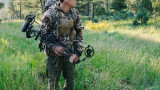
Gear
Get All that Crap Off Your Bow

I have neither been accused of nor confessed to be a stylish sort. In fact, I suppose, I swing in the other direction. If it’s trendy, popular, or vogue, I admit to being of a different mind. While that may sound like a statement of desire for originality, it’s more a function of practicality and a...
Tony Hansen
Sep 16, 2022
Read More
Play Now

Wildlife Management
Study Claims Feral Hogs Really Aren't All That Bad

You may have seen the news: “Feral hogs are no worse for Texas’ plant life than native animals, study finds.” The Houston Chronicle article cites a new study published on February 2 in the journal Science, arguing that feral hogs aren’t having a detrimental effect on native grasses—any more so than...
Eli Fournier
Feb 14, 2024
Read More
Play Now
Public Lands & Waters
BREAKING: Public Land Sale Provision Withdrawn from House Budget Bill

Republicans in the House Rules Committee opted tonight to pull a provision from the budget reconciliation bill that could have authorized the sale of as many as 500,000 acres of federal public land.
The move comes on the heels of overwhelming opposition to the provision from hunters, anglers, and...
Jordan Sillars
May 21, 2025
Read More
Play Now
Save this episode
Conversation