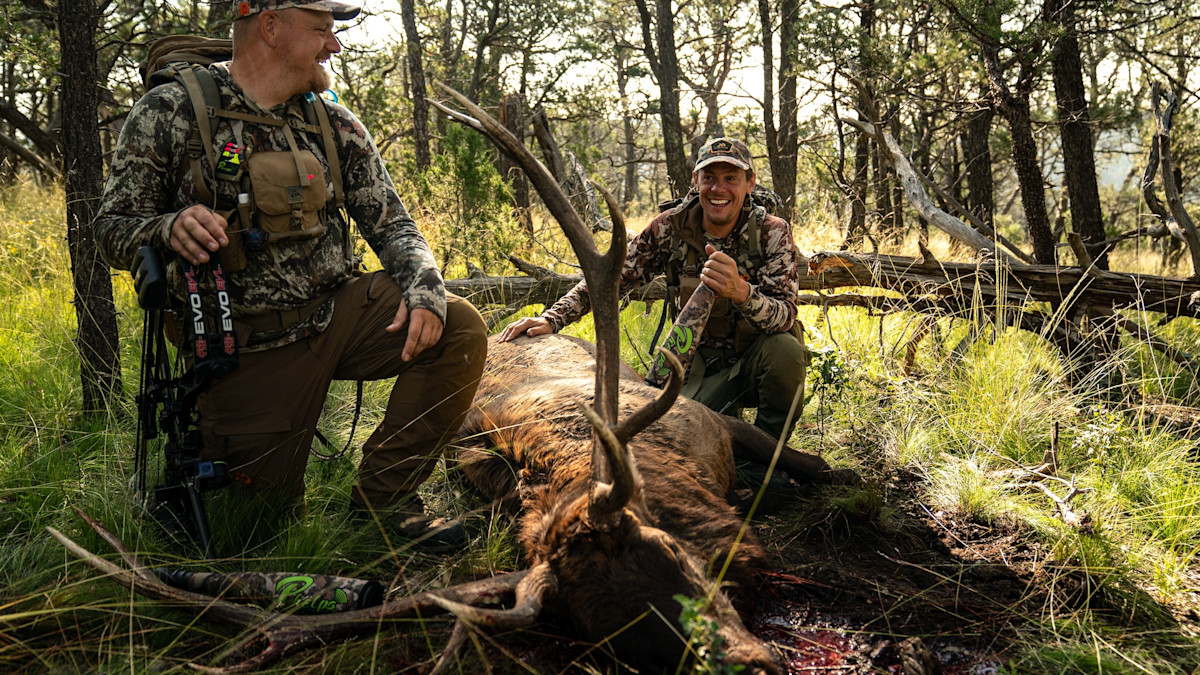

Elk hunting requires a lot of physical preparation, a healthy dosage of grit, and a few good elk calls. Here at MeatEater, it’s no surprise that we’re fans of Phelps Game Calls, and that’s exactly what we use to chase bugles through the mountains each September.
Whether you’re looking for a bugle tube, diaphragm, or an easy-to-use external call, you’ll find several different options from Phelps Game Calls for a variety of hunting situations and tactics.
To get a breakdown of each call, I talked with Jason Phelps himself about what makes each one ideal for various calling scenarios. After all, he designs them and has more than a few bull elk under his belt. Whether you’re looking for an ultra-realistic call, something to cut through wind and vegetation, or a beginner-friendly cow call, you’ll find plenty of options from Phelps. These are some of the best calls for a variety of elk hunting situations.
Jump to: The Products We Tested and Reviewed
What Makes a Good Elk Call
Whether you buy Phelps game calls or you prefer another call maker, make sure your elk calls have these key ingredients.
Volume Range
If you’re ripping a bugle to get a response or you need to make soft, convincing cow chirps, make sure your call has a wide volume range.
Usability
You won’t carry a call that’s hard to use. It’s as simple as that. When it comes to diaphragm calls, you’ll have to find which one works for you. For bugle tubes, you shouldn’t have to blow out a lung to rip a loud call. Elk hunting demands enough of your lungs as it is.
Quality Sound
You don’t have to win any calling contests, but you should be able to produce realistic elk sounds with a good call. If the hunter three ridges over can tell you’re not a real elk, you can bet that bull knows something’s up, too.
 Carbon Fiber Best for Pressured Bulls
|
 Kyven Collapsible Best for Saving Space
|
 Renegade Best for Locating
|
 Jason Phelps Call Kit Best Combo for the Money
|
 Beginner AMP 3-Pack Best Diaphragms
|
 EZ1 Best Beginner Cow Call
|
|
|---|---|---|---|---|---|---|
| Price | $179.99 | $99.99 | $43.99 | $120 | $29.99 | $44.99 |
| Weight | 7.4 oz. | 11.8 oz. | 11.4 oz. | 16+ oz. | <2 oz. | <2 oz. |
| Type | Bugle Tube | Bugle Tube | Bugle Tube | Kit | Diaphragm | External Cow Call |
| Field Notes | Field Notes | Field Notes | Field Notes | Field Notes | Field Notes |
Best for Pressured Bulls
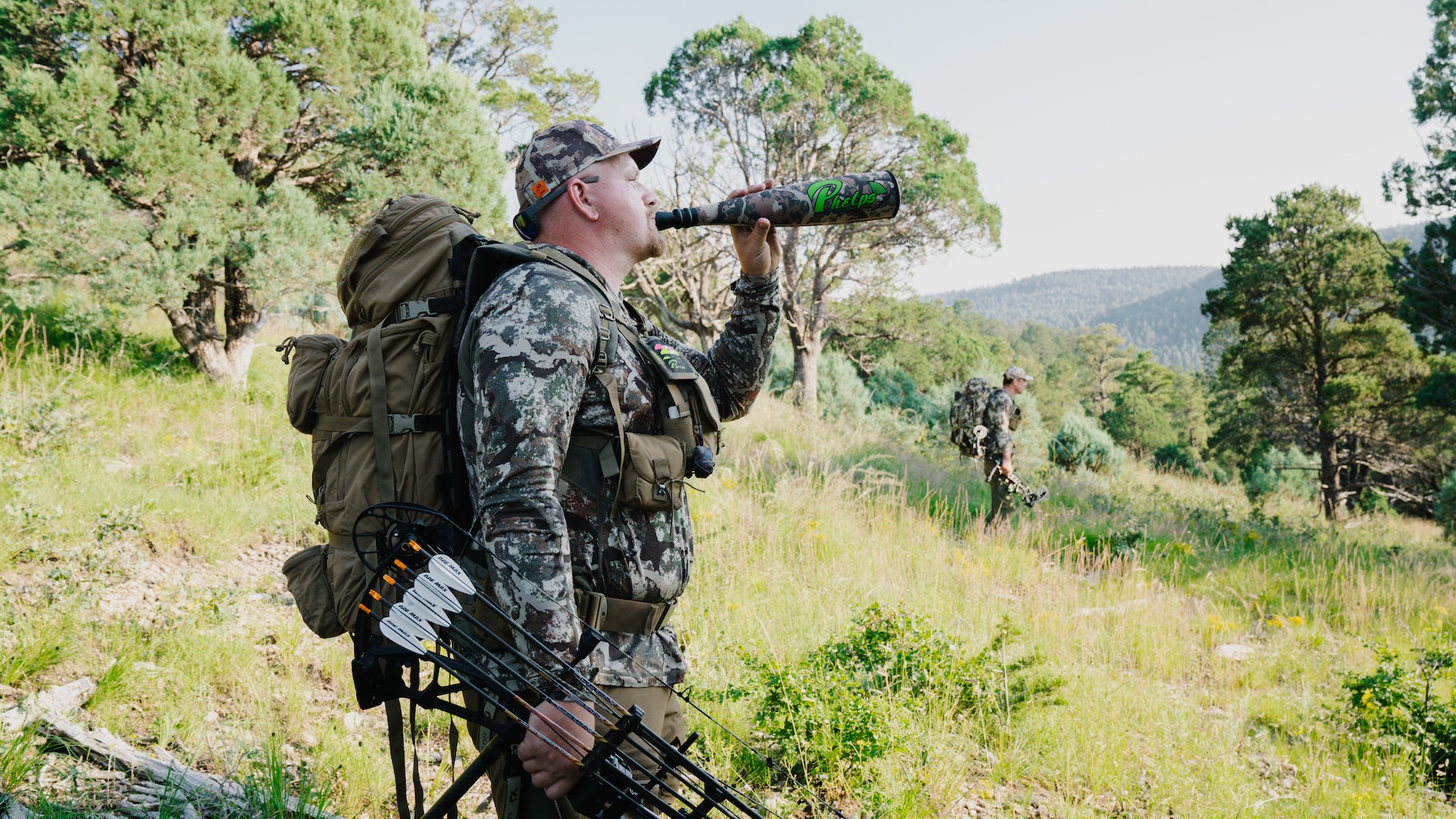
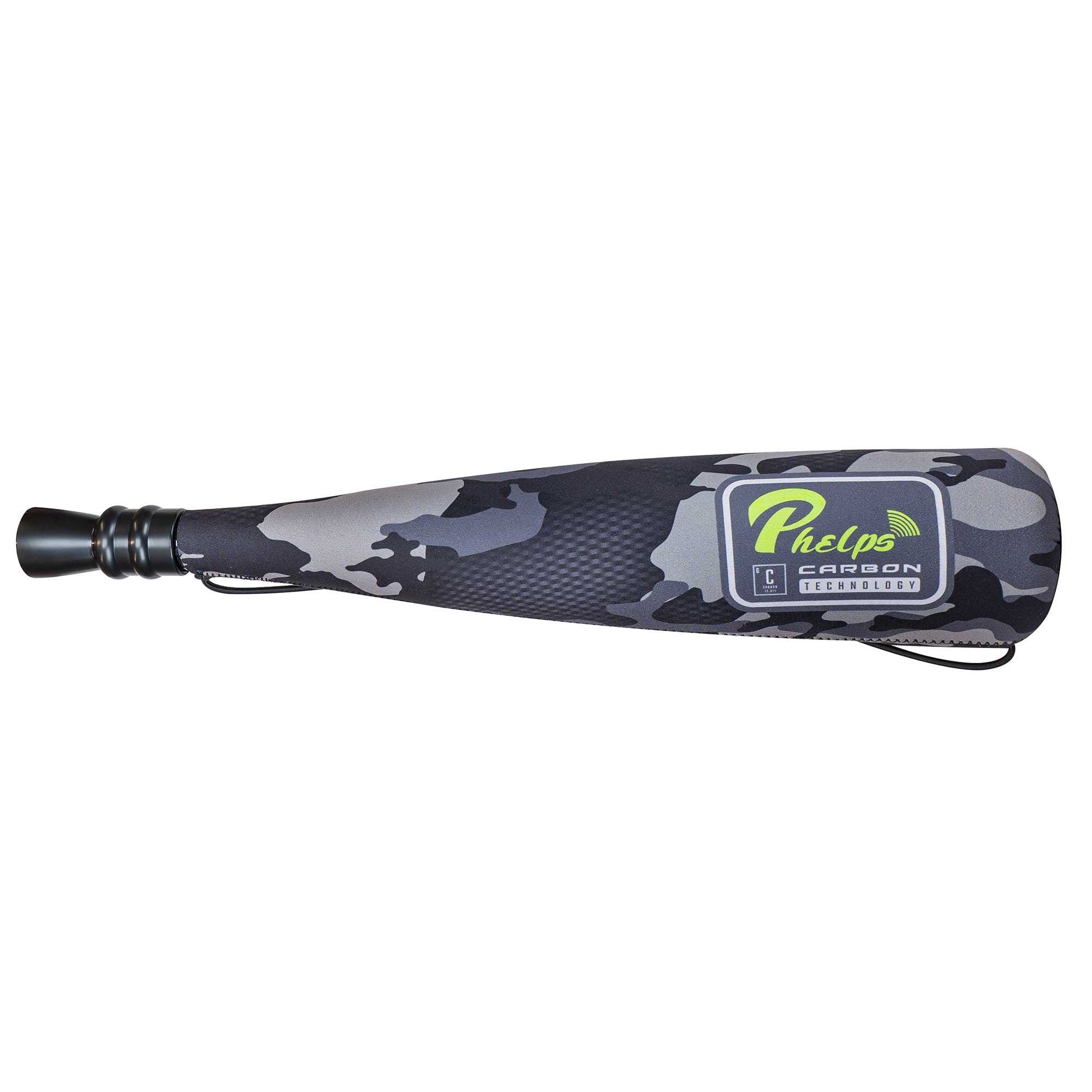
As a lifelong elk hunter and caller, Jason stressed the importance of realism in calling, especially in highly pressured areas. While the weight reduction was a driving force behind the Phelps Carbon Fiber Bugle Tube, Jason noted that the sound quality has just as much, if not more, significance in the overall design.
“The lighter weight is great,” he said, “but it has to sound good, or it’s just not worth making because it’s a more expensive and time-consuming product.”
Obviously the sound quality hasn’t been an issue. Jason said that the carbon material even offers a cleaner, more realistic sound profile than metal or plastic bugle tubes. Not only does the carbon material make it more realistic, but it differentiates it from everyone else trying to entice that herd bull.
“I can tell when someone’s blowing a plastic tube,” he said, “but it’s harder to differentiate between the Carbon and a real bugle, and you can get those shrill high notes that you want out of a bugle tube.”
Jason noted that the only downside of the Carbon is the price. At $179, it costs several times more than the renegade. He acknowledged that most hunters aren’t going to pay that for a bugle tube unless they’re fanatical about sound quality and counting ounces.
Pros
- Lightweight
- Excellent sound quality
- User-friendly for all experience levels
Cons
- Expensive for a bugle tube
Best Bugle Tube for Saving Space
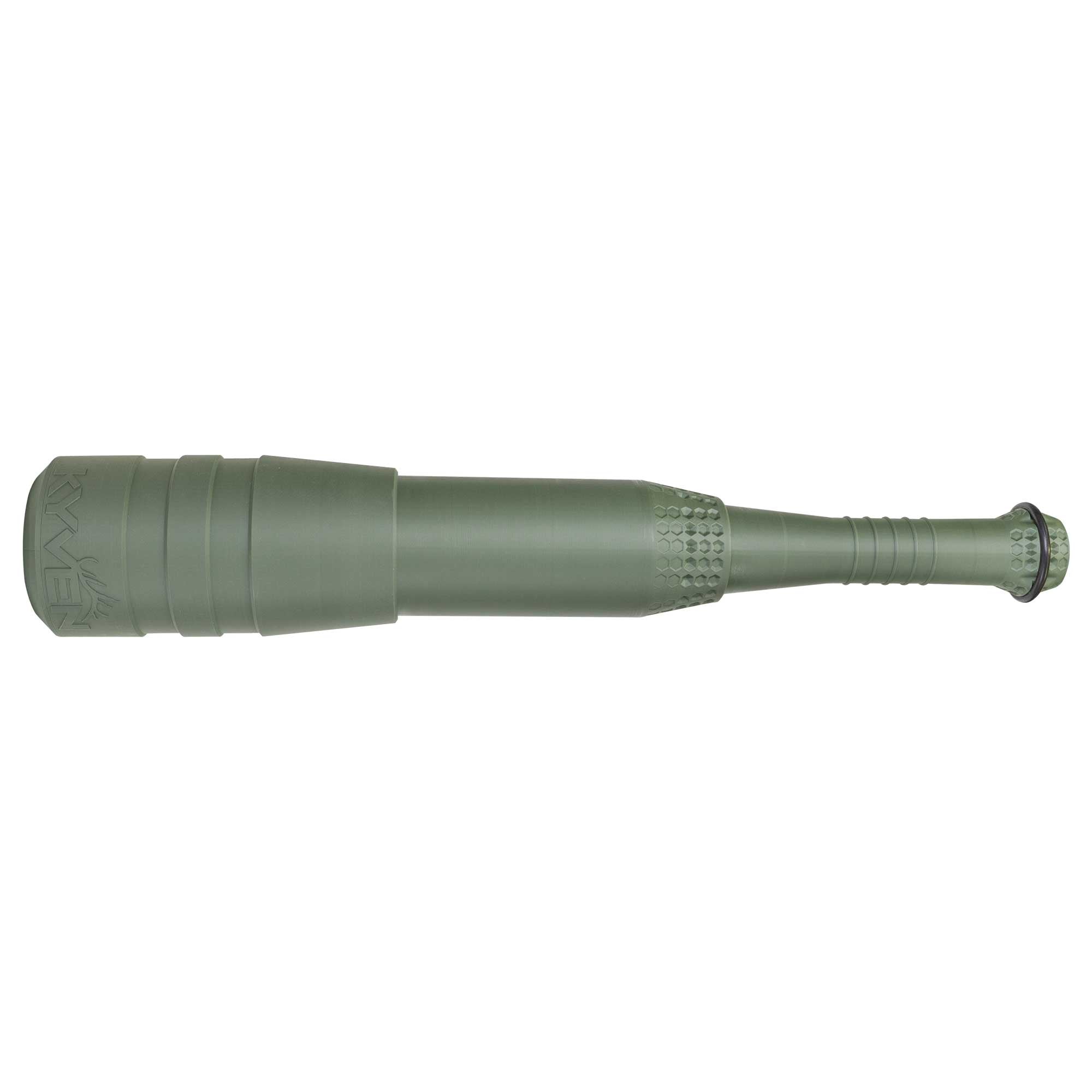
All bugle tubes share the same issue: they’re massive. The Phelps Kyven looks to solve that problem by offering a collapsible body that doesn’t sacrifice sound quality.
“The collapsible tube packs down great,” he said, “but it also has good sound and it’s extremely loud with great back pressure, so it makes it easy to run a diaphragm through it.”
Jason noted that the excellent back pressure makes it a great bugle tube for locating bulls in big country. However, the Kyven only takes diaphragms, so it’s not compatible with the Easy Bugler Mouthpiece. While the Kyven isn’t as expensive as the Carbon, it’ll still set you back $100. But if that pack space is worth it, then I’d say it’s money well spent.
Pros
- Packs down to the size of a Nalgene bottle
- Wide volume range for locating or calling in close quarters
- Realistic sound quality thanks to great back pressure
Cons
- Pricey
- Only compatible with diaphragm calls
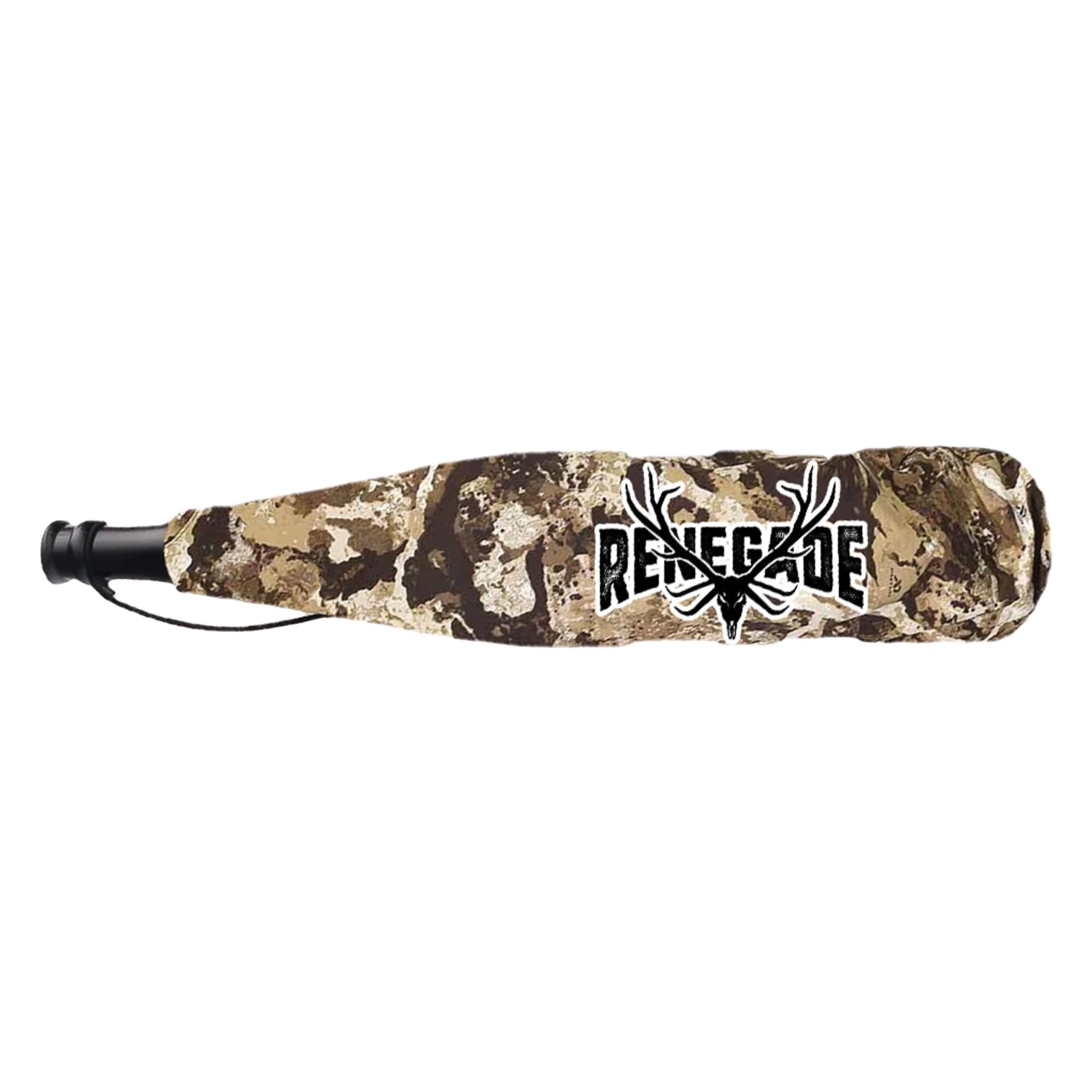
Best for Locating
Jason was excited to talk through Phelps newer products but wanted to highlight one of the company’s most popular tubes, the Renegade, which offers loud, realistic calls at a budget-friendly price. The Renegade is a big tube with an even bigger sound. If you’re looking for a bugle tube with the brass to cut through thick vegetation or down a steep ridge, you should consider the Renegade.
“We sell a ton of the Renegades,” he said. “Most hunters won’t want to swap out this one (Renegade) for one of the newer tubes, and that’s totally fine. It’s awesome for new callers, but it can also do anything that the most experienced hunters need from a bugle tube. It’s just a great, loud call.”
While the Renegade runs a bit larger than Phelps newer bugle tubes, it’s still a reliable call that elk hunters of all experience levels can run when they’re trying to locate a bull.
Pros
- Budget-friendly
- Easy to produce realistic sounds
- Great for ripping loud bugles
Cons
- Eats up a lot of pack space
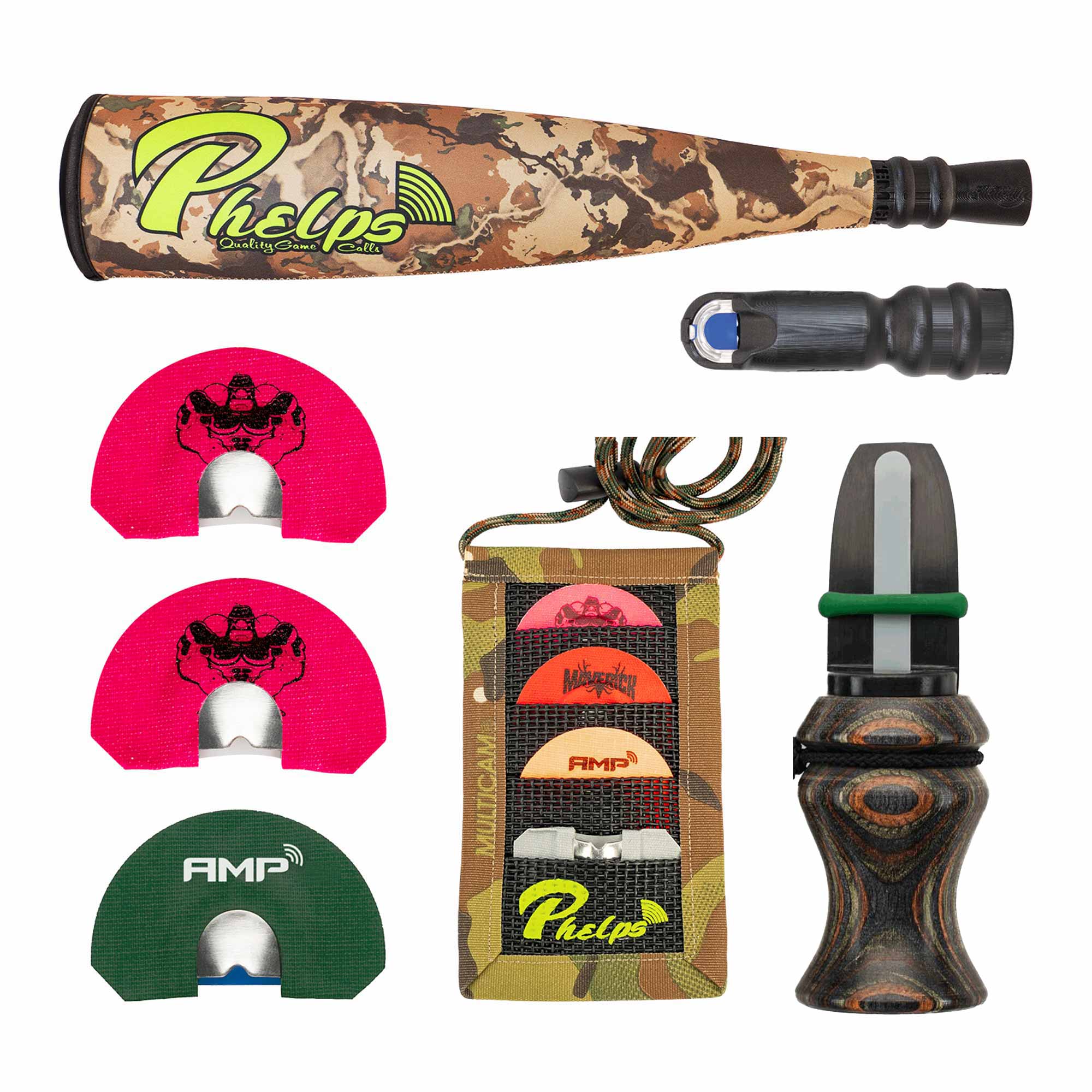
Best Combo for the Money
No two elk respond the same. A herd bull might come charging into a challenge bugle, but a satellite that’s been thrashed probably needs to hear some soft cow calls before he’ll come check you out. That’s why it’s a great idea to have multiple calls at your disposal.
Phelps offers a few different elk call kits, but Jason highlighted his own, of course, as an excellent all-around option. His kit features one PDO (Phelps Diaphragm Organizer), two pink amp diaphragms, one green amp that he uses throughout most of elk season, a METAL bugle tube, and the EZ Estrus, an old-school external call with a deep mature cow sound.
“I could take that kit, and that’s all I would need,” he said. “I can be super effective throughout all of elk season with these calls.”
If you’re looking for several calls and trying to stay on budget, the Phelps’ Kit will actually save you $32, as opposed to buying each call separately.
Pros
- An elk call for every situation
- Good deal
- Nice way to figure out what works for you
Cons
- Metal bugle tube is heavier
- Kit might be more than what you need
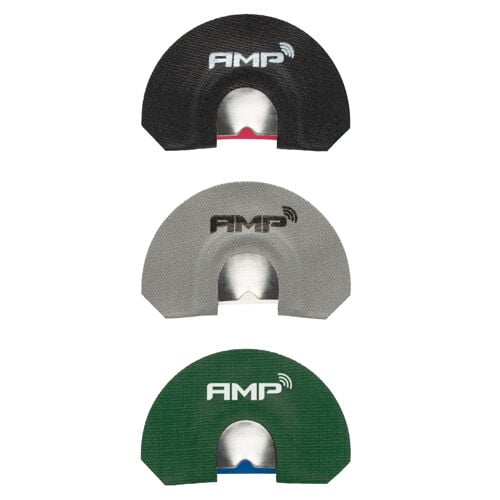
Best Diaphragms
Like the best turkey mouth calls, certain elk diaphragm calls might work better than others, because everyone has a different size/shape mouth. That’s why Phelps offers the Beginner AMP 3-pack, in hopes that anyone should be able to find at least one call that works for them.
“There’s a wide enough range for most people,” Jason said. “You should be able to find at least one call in the pack that works for you or gets close. Our newer diaphragm calls are awesome, but we haven’t seen a need to change the AMP. They’re just great calls.”
Jason said that once folks find a call that works for them, they can use the Elk Call Matrix to find other Phelps calls in that same ballpark. Sure, there’s some trial and error involved, but for around $10 per call, it’s a relatively low entry point for some of the best elk calls available.
Pros
- Wide range of vocalizations
- Easy to carry
- Good way to find what size works for you
Cons
- Not all diaphragms will likely be a good fit
- Green tape has a slightly bitter taste
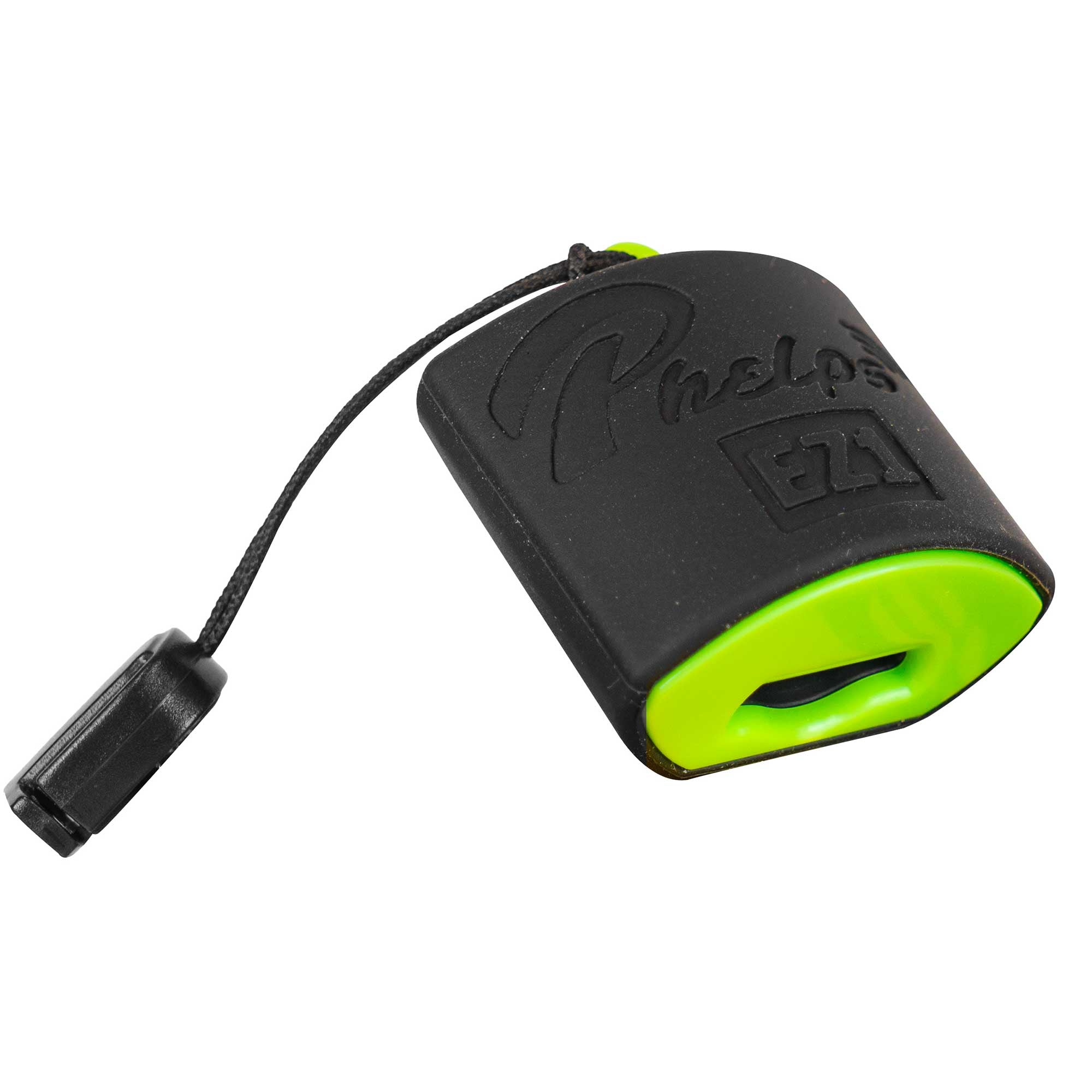
Best Beginner Cow Call
If you’re not confident in running a diaphragm or you nearly choke on them every time you try to call, you should consider the EZ1. This external cow elk call includes three different reeds, so you can make three different vocalizations, and it improves upon the EZ Suk’r.
Jason noted that one of the improvements on the EZ1 from the EZ Suk’r is the volume range and that instead of inhaling air like the EZ Suk’r, you simply exhale to run the call.
“It’s quite a bit louder than the EZ Suk’r, though you can tone it way down for close-quarter calling, and it’s half the size,” he said.
If you’re worried about losing such a small call, Phelps already thought about this potential conundrum and included a retractable lanyard that conveniently attaches to your pack.
“This is a true hands-free call that you can run with your bow at the ready,” he said.
If you’re not a fan of one of the sounds, it features three distinct cow elk voices so you can find the one that sounds best to you.
Pros
- Super small profile
- Includes retractable lanyard for easy access/storage
- Extremely easy to make realistic cow elk calls
- True hands-free operation
Cons
- Could be easy to misplace
Stay in the loop with The MeatEater Newsletter
Shop

Related
Hunting Gear
Jason Phelps' Archery Elk Hunting Kit


Elk
How to Call Elk like Jason Phelps

